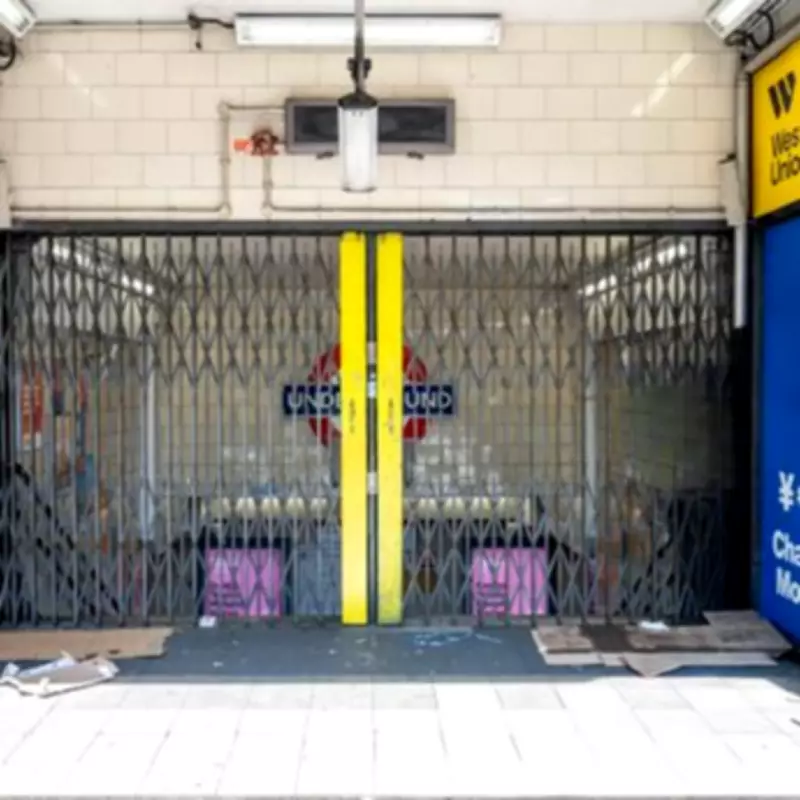
The never-ending saga of London Underground strikes will continue next week with two 24-hour walkouts. Just days after a 35°C heatwave led to widespread transport disruption, Londoners can expect more closures and delays as Tube drivers strike on Tuesday, June 2 and Thursday, June 4.
Background of the Dispute
The Rail, Maritime and Transport Union (RMT) called off its planned strikes in May at the eleventh hour due to a breakthrough in talks. RMT officials said Transport for London (TfL) had "shifted its position" on the four-day week proposal, but the authority since told MyLondon its stance hasn't budged throughout the dispute. TfL was confident the upcoming strikes would be called off when the last walkout was suspended, but the RMT is yet to provide an update on negotiations.
What Days Are Affected?
- Tuesday, June 2: All day
- Wednesday, June 3: Some disruption in the morning
- Thursday, June 4: All day
- Friday, June 5: Some disruption
What Lines Are Impacted?
TfL expects there to be no service on the Piccadilly and Circle lines, while the Metropolitan line will likely shut between Baker Street and Aldgate and the Central line between White City and Liverpool Street. The Piccadilly line has the highest proportion of drivers who are members of the RMT out of all lines, while the Circle line and parts of the Metropolitan and Central line will likely close so TfL can protect services on busier parts of the network. In April, the Piccadilly line was able to run with severe delays. The Victoria and Northern lines - the busiest on the Tube network - operated with minor delays during the walkout. Most lines are expected to shut early due to staffing shortages caused by the strike.
The Elizabeth line, DLR, London Overground and National Rail are not affected by the strike and will run as normal. This is due to their drivers being part of different bargaining units. ASLEF, the other union which represents Tube drivers, has already accepted TfL's four-day week proposal so its members will turn up for work. Both the RMT and ASLEF were part of the walkout in September which completely shut down the network.
Is TfL Winning the Dispute?
The dispute is centred on TfL's wish to introduce a voluntary four-day week for drivers. They currently earn about £80k and work 36-hour weeks spread across five days, but the transport authority wants them to work 35 hours across four days. ASLEF has already accepted this proposal calling it the "biggest improvement in working conditions for decades", but the RMT has previously expressed concerns about driver fatigue caused by longer shifts. Union officials instead proposed a 32-hour week for drivers across four days, but TfL has ruled this out as "unaffordable".
The first series of two 24-hour strikes were due to take place in March but were called off due to negotiations progressing. This wasn't the case in April with both strike days going ahead, but the RMT again called off the initial May and June walkouts earlier this month. The mid-June planned dates were moved to June 2 and 4 instead, but the RMT seemed happy that TfL is "willing to compromise on rosters, fatigue and safety issues". TfL told MyLondon it had not been in touch with the union since the prior Friday, May 15, three days before the strikes were called off on Monday, May 18, when a representative wrote to the union about the voluntary introduction of a four-day week.
The transport authority reiterated that Tube drivers can choose not to opt in to the new pattern and can continue working the current five-day week across 36 hours. TfL added that staff are monitoring the success of the four-day week trial currently being held on the Bakerloo line before developing an agreement for drivers across the Tube network, and called for the RMT to call off the strike as it could hinder ongoing discussions. The RMT declined to comment any further when approached by MyLondon.
Negotiations Timeline
Both TfL and the RMT have held regular meetings with the most recent taking place on Tuesday, May 26. The union is having internal discussions today about the negotiations process.
Timeline of Recent London Transport Strikes
- 2022 (June–August): Multiple Tube and rail walkouts over pay and job security during a wave of national strikes across the UK.
- 2023 (March & July): Tube drivers staged 24-hour strikes over pensions, pay freezes, and working hours.
- 2024 (January): Sir Sadiq Khan averts RMT strike after finding £30m for pay offer.
- 2024 (April): Planned strike by ASLEF was cancelled after improved pay offer.
- 2024 (November): RMT and ASLEF strike called off at the last minute due to improved pay offer.
- September 2025: Seven-day Tube strike and DLR strike action over fatigue, shift patterns, and wage disputes.
- March 2026: Two 24-hour strikes were suspended by the RMT after the union claimed TfL was willing to negotiate about plans to impose a four-day week. Two extra strike dates were added in March.
- April 2026: Two 24-hour strikes took place while the RMT pushed for a 32-hour working week spread over four days, instead of the proposed 35 hours week.
- May 2026: Two 24-hour strikes were suspended at the eleventh hour after the RMT said TfL was willing to 'compromise on rosters, fatigue and safety issues'.
- June 2026 (planned): Two 24-hour strikes will take place while the RMT pushes for a 32-hour working week spread over four days, instead of the proposed 35 hours week.
To see all the planning applications, traffic diversions, road layout changes, alcohol licence applications and more in your area, enter your postcode below or visit the Public Notice Portal.