London Underground Strike Action: Cancellations and New Dates Announced
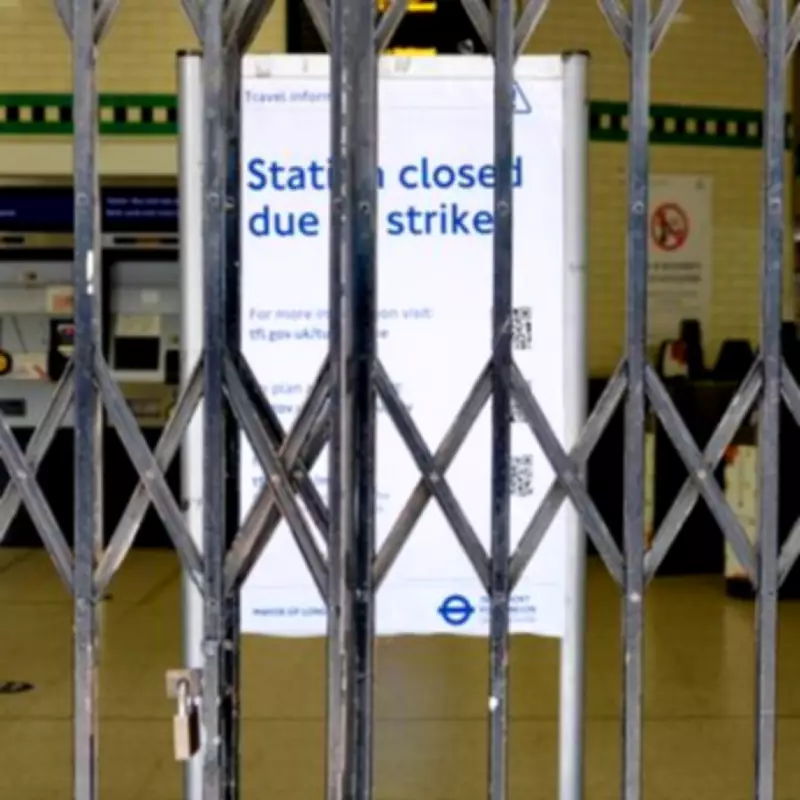
In a significant development, two 24-hour strikes by London Underground drivers scheduled for next week have been called off, the RMT union has confirmed. The planned stoppages on March 24–25 and March 26–27 will no longer proceed, following progress in negotiations over working hours. However, the dispute remains unresolved, with additional strike days now added to the calendar.
Updated Strike Schedule and Ongoing Dispute
The industrial action is far from over, as remaining strikes are still set to occur on April 21–22, April 23–24, May 19–20, and May 21–22. Furthermore, new strike dates have been introduced for June 16 and June 18, extending the potential disruption into the summer months. Further talks are scheduled in the coming days and weeks in an effort to reach a negotiated settlement and avoid prolonged service interruptions.
Union and Management Perspectives
RMT general secretary Eddie Dempsey stated, “Through our show of industrial strength and unity, we have forced management into a position where they are now willing to seriously engage with the issues our members want addressing. Further talks will take place and the dispute remains live.” The strikes involve RMT train drivers exclusively, meaning other staff, including ASLEF members, are not participating. This targeted action highlights the specific grievances of the RMT membership.

Impact on London's Transport Network
The strikes will primarily affect key London Underground lines, including:
- Northern Line
- Jubilee Line
- Victoria Line
- Hammersmith & City Line
- District Line
- Metropolitan Line
- Piccadilly Line
- Bakerloo Line
Services expected to continue running include the Elizabeth line, Docklands Light Railway (DLR), and most Overground routes. However, these alternative services may experience increased passenger numbers and congestion during the strike periods, leading to potential delays and overcrowding.
Root Causes of the Industrial Action
The RMT says the strike action is a direct response to Transport for London's proposal for a four-day working week for Tube drivers. This initiative would compress 35 hours of work into four longer shifts while introducing paid meal breaks for the first time. TfL describes it as a voluntary pilot, initially on the Bakerloo line, aimed at providing drivers with an extra day off while improving operational efficiency.
Union leaders have raised significant concerns over the implications of longer shifts, including potential fatigue, safety risks, and negative impacts on work-life balance. The RMT had originally announced six 24-hour strikes, each spanning two days from midday to midday, to maximize coverage and highlight these issues. The cancellation of two strikes indicates some progress, but the addition of new dates underscores the ongoing tensions.
Strike Schedule in Full
- March 24–25 (cancelled)
- March 26–27 (cancelled)
- April 21–22
- April 23–24
- May 19–20
- May 21–22
- June 16 (newly added)
- June 18 (newly added)
As negotiations continue, commuters are advised to stay informed about travel updates and plan their journeys accordingly. The situation remains fluid, with the potential for further changes to the strike schedule based on the outcome of ongoing talks between the RMT and TfL management.