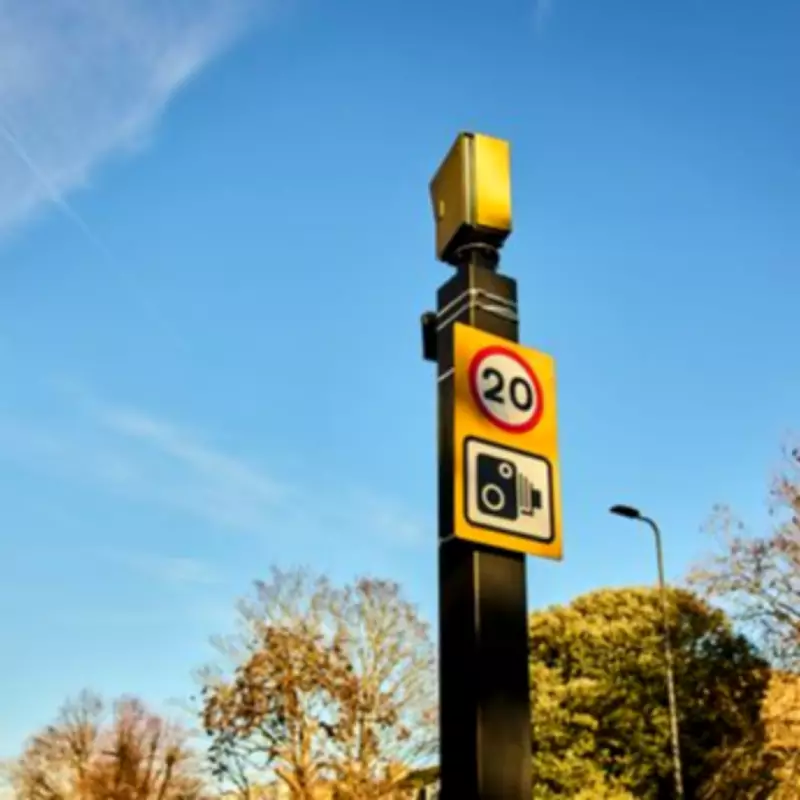
TfL Launches Trial of Advanced Radar Speed Cameras in Nine London Boroughs
Transport for London (TfL) has initiated a groundbreaking trial of 10 radar-based speed cameras as part of a comprehensive strategy to tackle dangerous driving across the capital. Over the coming weeks, this cutting-edge technology will be installed in nine boroughs: Haringey, Tower Hamlets, Havering, Croydon, Hammersmith and Fulham, Brent, Hackney, Ealing, and Sutton.
Enhanced Technology for Improved Enforcement
The new cameras represent a significant upgrade from current spot speed cameras, which rely on sensors embedded in the road surface. Unlike their predecessors, these devices combine 4D radar and a 4k colour camera, eliminating the need for visible flashes, white lights, in-ground sensors, or road markings. This innovative design allows the cameras to cover five lanes of traffic in opposite directions simultaneously, a notable improvement over the three-lane capacity of existing models.
Transport officials emphasize that this advancement will provide increased reliability and deliver higher-quality images, making it easier for police to detect and prosecute speeding drivers. All selected roads have speed limits of 20mph or 30mph, chosen based on suitability and risk assessments to maximize safety impact.

Addressing a Critical Safety Issue
The trial comes in response to alarming statistics on road safety in London. A TfL study published in December revealed that speeding was a contributing factor in approximately half of all fatal collisions recorded in the capital during 2024. That year, 110 people lost their lives on London's roads, marking a 16 percent increase from the 95 fatalities in 2023, though still below pre-pandemic levels observed between 2015 and 2019.
Siwan Hayward, TfL’s director of security, policing and enforcement, stated: "Speeding continues to be a major cause of the most devastating collisions on our roads. This trial allows us to test new radar‑based camera technology to ensure it meets London’s future enforcement needs. Upgrading our camera network is vital to maintaining strong, consistent enforcement, and together with the Met we are using every tool available to deter speeding, reduce road danger and save lives."
Collaborative Efforts for Vision Zero
This initiative is part of a broader effort to enhance road safety across London. In the coming months, TfL plans to increase the number of safety cameras in 20 additional areas while encouraging boroughs to expand the network of 20mph roads. The Metropolitan Police is actively collaborating in this endeavor, leveraging new technologies to support the Vision Zero goal of eliminating road deaths.
Detective Chief Superintendent Donna Smith of the Metropolitan Police’s roads and transport policing command added: "It is tragic whenever anyone is killed or seriously injured on our roads, and speeding remains a major factor, which is why our officers are totally committed to reducing that risk. Working alongside TfL, the Met will use every tool available, including new radar‑based camera technology, to deter dangerous driving and support Vision Zero’s ambition of eliminating deaths on London’s roads. This trial will improve reliability and deliver better quality images, helping our officers hold offenders to account and ensuring we have a modern and effective enforcement system that saves lives."
The deployment of these advanced cameras underscores TfL's commitment to leveraging technology for public safety, aiming to create a safer urban environment for all road users through improved enforcement and deterrence strategies.