London Cabbies Face Robotaxi Squeeze as Addison Lee Warns of Predatory Pricing
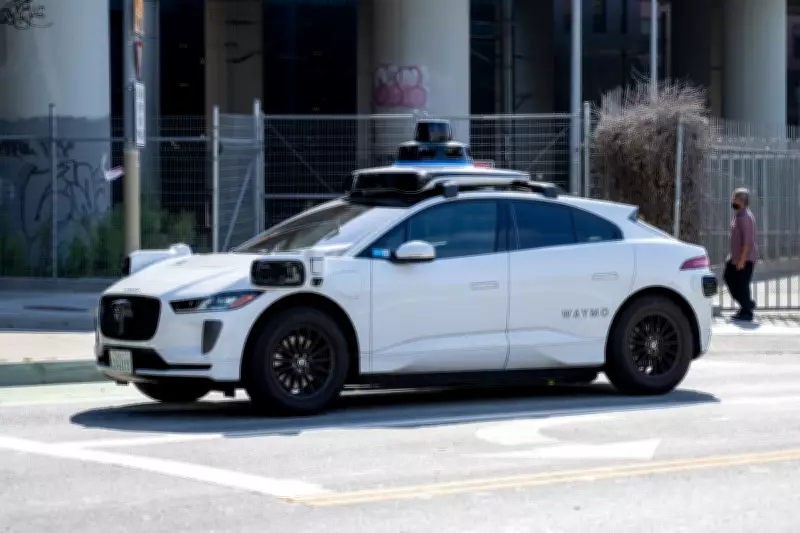
London's traditional taxi operators could be priced out of the market unless regulators intervene to curb what Addison Lee's chief executive describes as "predatory pricing" from deep-pocketed technology giants. Liam Griffin has issued a stark warning that companies such as Waymo, Wayve, or Tesla risk undercutting established cab services by subsidizing fares to aggressively capture market share.
Regulatory Safeguards Urgently Needed
Griffin emphasized the urgent need for protective measures, including implementing a minimum fare for robotaxi services and imposing limits on operating licenses. He drew parallels to the early disruptive expansion of Uber, stating, "We do feel that there is a danger that the big players can come in and ride roughshod over the existing industry." The Addison Lee boss specifically called for Transport for London (TfL) to consider regulations similar to those governing black cabs, which currently operate with a minimum fare of £4.20.
"There are livelihoods on the line here," Griffin asserted, adding that without timely intervention, "a handful of players" could make competition "unachievable" for traditional operators. This warning arrives as London prepares to become a central battleground for autonomous vehicle firms, with Waymo, China's Baidu, and Uber-backed partners all planning commercial launches in the UK once regulatory approval is granted, expected imminently.

Economic Implications and Market Disruption
Analysts project that autonomous ride-hailing services will become significantly cheaper over time, particularly as companies scale their fleets and eliminate driver costs. In China, early robotaxi services are already being heavily discounted to attract users, with forecasts suggesting fares could plummet by as much as 20 percent compared to human-driven alternatives. This model follows a familiar pattern of subsidized pricing to gain market dominance, followed by industry consolidation.
However, the critical difference in this scenario is the immense scale of capital behind new entrants. Firms like Waymo and Tesla possess the financial backing to absorb losses far longer than traditional taxi operators can withstand. The UK government has been actively encouraging the autonomous vehicle sector, estimating it could contribute £42 billion to the economy and create up to 40,000 jobs by 2035. Pilot schemes are already underway, with vehicles mapping London streets in preparation for commercial deployment.
Broader Transport and Environmental Concerns
The arrival of driverless fleets threatens to accelerate disruption within London's transport ecosystem, which has already been reshaped once by ride-hailing platforms like Uber. There are growing concerns that cheaper, more convenient robotaxis could draw passengers away from buses, cycling, and walking, potentially increasing traffic congestion and undermining environmental goals. Conversely, autonomous vehicles could improve road safety by reducing human error and enhance efficiency through optimized routing.
Uber has adopted a strategic approach by partnering with multiple robotaxi developers rather than backing a single provider, effectively positioning itself as a marketplace for autonomous fleets. Griffin indicated that Addison Lee is likely to pursue a similar strategy, suggesting future fleets could incorporate vehicles from various autonomous providers. "In the same way that we currently have Volkswagens, Mercedes, and Audis in our fleet, I see the future being that we will have Pony.ai, Waymo, and Wayve," he explained.
The looming expansion of robotaxis presents both opportunities and significant challenges for London's transport landscape, highlighting the delicate balance between innovation and the protection of existing industries.