Piccadilly Line New Train Introduction Pushed Back to 2027 as Budget Swells by £409 Million
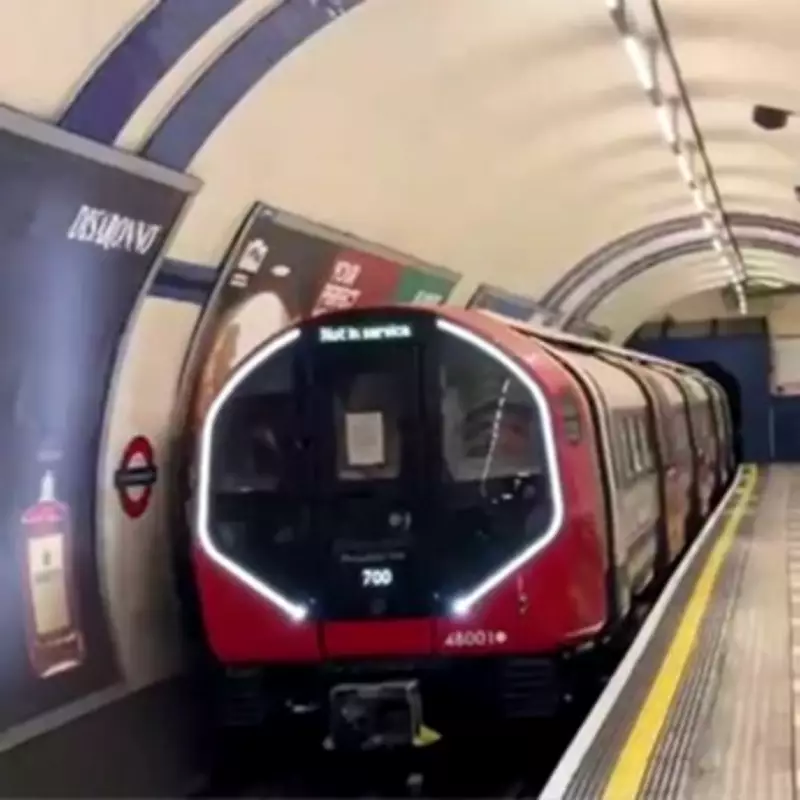
The eagerly anticipated rollout of new Piccadilly line trains has encountered another significant setback, with Transport for London (TfL) announcing a further six-month delay and a substantial budget increase. The 94 advanced trains, originally slated for earlier deployment, are now expected to enter service between December 2026 and June 2027, marking the second postponement for this high-profile project.
Budget Escalation and Revised Timeline
TfL has revealed that the programme budget is set to rise by £409 million, bringing the total cost to £3.4 billion. This adjustment follows a comprehensive analysis of the project's progress and an assessment of future risks and challenges. The transport authority attributes the delay primarily to the complexity of integrating brand-new trains with the Piccadilly line's aging infrastructure, which requires meticulous planning to ensure safety and reliability.
Features and Benefits of the New Trains
The new Piccadilly line trains promise to revolutionise travel on the deep Tube network with several innovative features. They will include walk-through carriages, wider double doorways, and real-time digital displays for passenger information. Notably, these trains will introduce air conditioning to the Piccadilly line for the first time, addressing long-standing passenger comfort concerns. Additionally, they offer a 10 per cent increase in capacity compared to the existing fleet.

Enhanced Service and Capacity Improvements
Once fully operational, the new trains will enable TfL to boost service frequency from 24 to 27 trains per hour during peak times. This upgrade is projected to deliver a 23 per cent increase in peak capacity through Central London, significantly easing congestion and improving journey times for commuters and visitors alike.
Official Statement from TfL Leadership
Stuart Harvey, TfL's Chief Capital Officer, expressed regret over the delay, acknowledging the disappointment for customers. He emphasised the programme's complexity and the paramount importance of safety, stating, "It is critical that we do everything we can to make sure that, when they enter service, we are confident that these trains are ready to operate safely." Harvey reassured that teams are working intensely with supplier Siemens Mobility and other partners to resolve issues and expedite the rollout, promising transformative benefits for Londoners once the trains are in service.
Current Progress and Manufacturing Status
The first of the new trains arrived in London in late 2024, and testing is currently underway during overnight and weekend closures on the Tube network. Manufacturing continues at Siemens facilities in Vienna and Goole, Yorkshire, as part of the broader Piccadilly line upgrade, which has recently seen the replacement of old and worn-out assets to support the new fleet's integration.