Piccadilly Line's New Train Rollout Faces Major Setback
Transport for London has delivered disappointing news for commuters, announcing that the introduction of new air-conditioned trains on the Piccadilly line has been delayed once again. The highly anticipated upgrade, which promises walk-through carriages and modern amenities, may not begin service until summer 2027, representing a nearly two-year postponement from original timelines.
Substantial Cost Increases and Revised Timelines
The project's financial burden has grown significantly, with TfL revealing an additional £409 million in costs. This substantial increase brings the total refurbishment expenditure to £3.4 billion, raising questions about budget management and project oversight. Commuters who have been eagerly awaiting the modernized fleet must now exercise patience until between December 2026 and June 2027 before experiencing the enhanced travel conditions.
Stuart Harvey, TfL's chief capital officer, emphasized the organization's commitment to safety, stating that they need to be "confident that these trains are ready to operate safely." The complexity of integrating entirely new trains with aging infrastructure has been cited as a primary reason for the delays, with some sections of the Piccadilly line dating back to 1906.

Manufacturing and Infrastructure Challenges
The new trains, which have undergone testing in Austria and construction in Yorkshire, represent a significant technological leap for London's transport network. Aglaja Schneider, joint-CEO of Siemens Mobility, the company responsible for building the trains, acknowledged the disappointment while expressing optimism about the eventual transformation. "As a Londoner, I know how excited everyone is about the new trains coming into service," Schneider commented. "Whilst there will be a delay, it won't be long before these trains transform travel for millions of people."
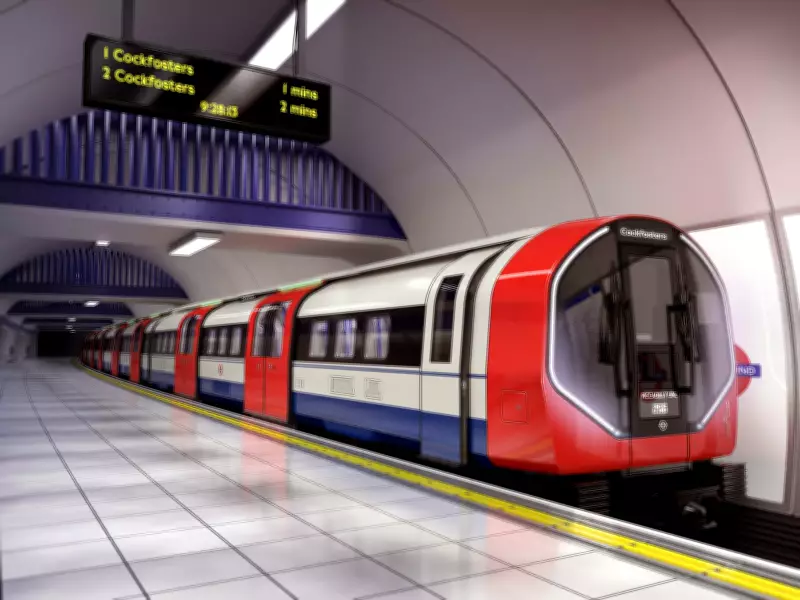
When finally implemented, the upgrade will introduce 97 new trains to the navy blue tube line, increasing service frequency from 24 to 27 trains per hour initially, with plans to eventually boost this to 36 trains per hour during peak periods. The modern vehicles will feature air-conditioning systems, walk-through carriages for improved passenger flow, and wider doors to facilitate quicker boarding and alighting.
Broader Transport Context and Future Developments
Despite the Piccadilly line setbacks, TfL has provided some positive news regarding other transport improvements. The organization has confirmed that new DLR trains will return to customer service by late summer 2026, offering some consolation to London's commuting public. However, Piccadilly line users face additional disruptions, with most of the line scheduled for closure during two weekends in March for essential maintenance work.
The delays come at a time when London's transport network faces multiple challenges, including recent fare increases across all travel zones. The Piccadilly line upgrade represents one of the most significant investments in London Underground's infrastructure, with implications for daily commutes, tourism, and the city's overall transportation efficiency. As TfL navigates these complex implementation hurdles, millions of Londoners continue to await the promised improvements to their daily travel experience.