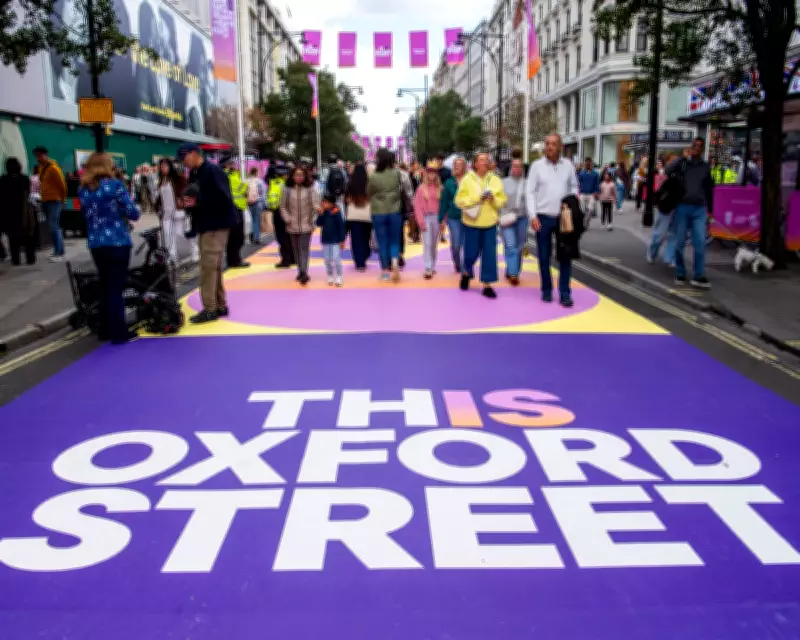
In a landmark decision, plans to fully pedestrianise London's iconic Oxford Street have been officially approved, with Mayor Sadiq Khan pledging to transform the area into a "world-leading urban space." The remaining traffic, including buses, taxis, bicycles, e-scooters, and pedicabs, is set to be removed by this summer, following a second public consultation on reshaping a central stretch of the capital's famous shopping district.
Implementation Timeline and Details
Work on the pedestrianisation project will commence in the coming months and is scheduled for completion by late 2027, focusing on the section of Oxford Street west of Oxford Circus. Khan is expected to unveil further specifics of the plan next week, having long championed pedestrianisation as a strategy to boost local businesses and revitalise London's hospitality and nightlife sectors.
He stated, "I am delighted to be moving forward with my bold vision to transform Oxford Street into a world-leading urban space for shopping, leisure, and outdoor events." This move builds on an initial consultation last year, which garnered widespread public support from over 6,600 respondents.

Historical Context and Challenges
While Oxford Street has already been largely closed to general traffic, the ambition for full pedestrianisation has been delayed for decades, partly due to disputes between City Hall and Westminster council. Alex Williams, the chief customer and strategy officer at Transport for London (TfL), emphasised collaboration, saying, "We will work closely with Westminster council in the coming months to implement changes to the roads around Oxford Street, and the mayor will provide more information on the next steps for this transformational scheme next week."
More than 2,700 people participated in the second consultation, which addressed the detailed layout of the scheme and traffic diversion plans. TfL will proceed with proposals that allow limited traffic to cross from most sidestreets while pedestrianising the core shopping area. Buses will primarily be rerouted to Wigmore Street, a parallel road to the north.
Support and Opposition
Major retailers along Oxford Street, such as department stores Selfridges and John Lewis, have endorsed the pedestrianisation, hoping it will restore the area's prestige, which has been marred in recent years by stores of questionable repute. However, taxi drivers have criticised the move, warning that the closure could further slow journeys through London's congested heart.
TfL acknowledged in the consultation that some bus journeys might take longer, and hundreds of vehicles will need to be diverted onto surrounding streets during peak hours. To address concerns about accessibility for people with reduced mobility, the pedestrianised street will facilitate easier movement for wheelchairs and buggies.
Broader Implications
This initiative represents a significant shift in urban planning for London, aiming to enhance pedestrian safety, reduce pollution, and foster a more vibrant public space. As the project unfolds, it will be closely monitored for its impact on traffic flow, local commerce, and community well-being, setting a potential precedent for similar transformations in other major cities worldwide.