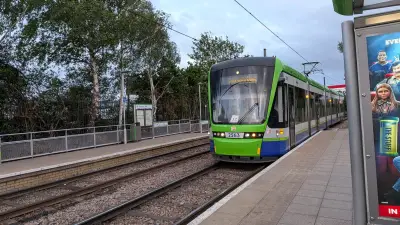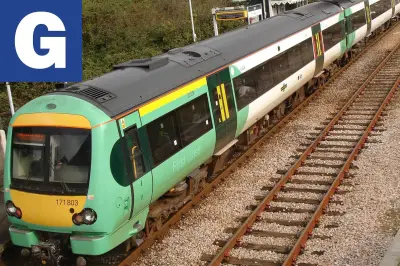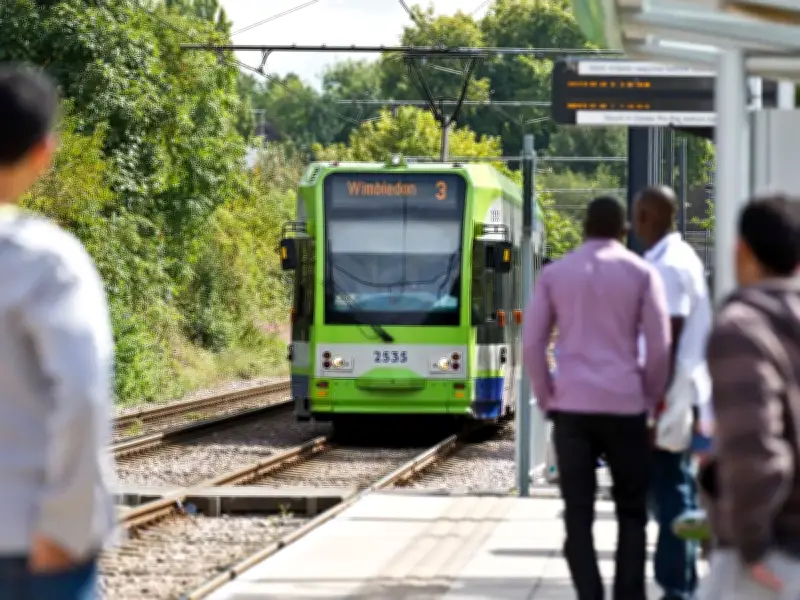
London, once home to the world's largest tram network, has produced only one modern tramway—the Croydon Tramlink—while a dozen proposed successor schemes have failed over the past 25 years. According to Nicholas Boys Smith, writing for CityAM, the capital has missed the global tram renaissance, and a new report offers a path to reverse this decline.
The Rise and Fall of London's Trams
Londoners made 280 million tram journeys as early as 1895. By the 1920s, the city boasted the world's largest tram network, built with private capital and municipal borrowing, and largely paying for itself from passenger fares. This was public transport for the public good with little public subsidy.
However, in 1933, private and municipal tramways were nationalised and amalgamated into the London Passenger Transport Board. Having bought the network at considerable cost, the London County Council then destroyed it, following the 1929-30 Royal Commission on Transport's proposal to remove trams as obsolescent and inflexible.
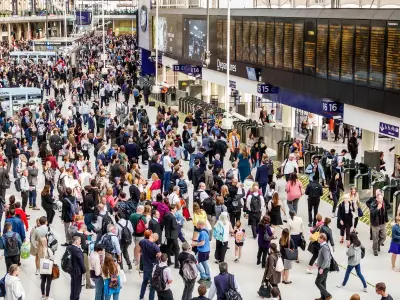
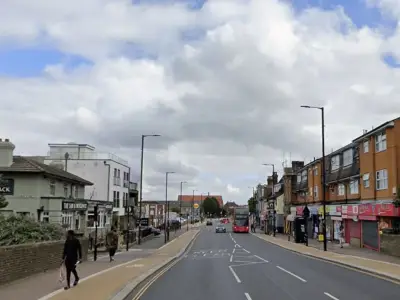
The last tram ran from Woolwich to New Cross on 6th July 1952. London destroyed the world's greatest tram network in the belief that buses and cars would free its streets. Instead, it exchanged permanent capacity for permanent congestion. The Royal Commission's argument was flawed: flexibility can become fragility. A bus route is easier to alter, but it offers less capacity, certainty and power to shape investment. Ironically, trams were abolished to relieve congestion, yet congestion remains.
The Global Tram Renaissance
Globally, a tram renaissance is underway. In 40 countries, 148 cities have built new tramways, laying 2,550 miles of track—sufficient to cross the USA from coast to coast. Cities are recreating trams because of their higher capacity, popularity, environmental benefits and the prosperity boost they can engender.
Trams carry three times more people than buses and 15 times more than cars. Their greater reliability and comfort lead to greater use than buses. Munich's new trams have 50 per cent more passengers than the buses they replaced. Trams' steel wheels limit particulate emissions, and those living near trams can have 65 per cent lower personal carbon footprints. By supporting urban movement, trams boost local productivity and urban agglomeration. Trams have most of the benefits of metros at little of the cost—they are cheap trains, not expensive buses.
Why London Is Missing Out
London has missed the tram renaissance. The city has produced one modern tramway, the Croydon Tramlink, and then spent 25 years studying, consulting on and abandoning every proposed successor. A dozen schemes have hit the buffers, and London is the loser from this inability to execute.
According to the Create Streets co-authored report Back on Track, it costs £87m per mile to build trams in Britain compared with a European average of £42m. This is due to long and centralised approval processes, extensive diversion of buried utilities, bespoke designs, fragmented procurement and the tendency to load wider public-realm works onto tram budgets. There is no continuous programme.
Teams are assembled and then disbanded, so the next scheme starts again without retained knowledge, common designs or economies of scale. Almost uniquely, we require central approval for each new tram. This takes many years, costs millions to draft in consultant and legal fees and places unnecessary burdens on every project. Unsurprisingly, most fail, even though Coventry's new trams show how to side-step HM Treasury's rules.
Lessons from the Past and the Way Forward
There was no such nonsense when Britain built trams. The Tramways Act 1870 authorised local authorities to grant concessions to private tramway operators to construct and operate tramlines.
The government has, rightly, created a Mass Transit Taskforce to untie this knot. Its focus, Boys Smith suspects, will be on northern towns. If London wants to be cleaner, better and easier to move around, it should ensure that it too wins back the freedom to make trams and move free.