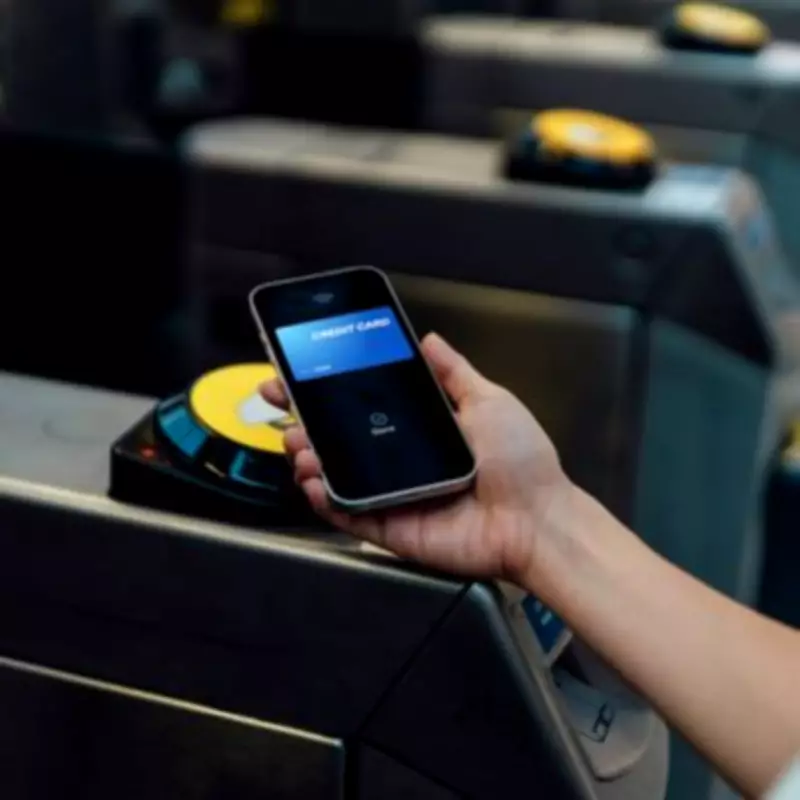
Fares across London's public transport network, including the London Underground, Overground, DLR, and Elizabeth line, have risen by 5.8 per cent as of Sunday, March 1, 2026. This increase, which is one per cent above the current inflation rate, marks a significant adjustment for commuters and travelers in the capital.
Understanding the Fare Increases
The government mandated this inflation-plus-one-per-cent rise as part of a £2.2 billion capital funding deal with Transport for London (TfL). According to TfL, the additional revenue generated will be reinvested into improving services across London, aiming to enhance reliability and infrastructure.
For single journeys, fares have seen notable changes. In Zones 1-6, Tube fares have increased by no more than 20p per trip. A key example is the Elizabeth line fare from Zone 1 to Heathrow Airport, which has risen from £13.90 to £15.50, reflecting the broader trend of higher costs for longer-distance travel.

Protections for Regular Commuters
Despite these increases, Mayor Sadiq Khan has implemented measures to mitigate the impact on daily users. Travelcards and pay-as-you-go caps will remain frozen until 2027, ensuring that the daily and weekly limits on fares stay unchanged. This means commuters making multiple journeys in a single day or over a week will continue to benefit from capped costs, providing financial predictability.
Additionally, bus and tram fares are frozen until July 2026, marking the seventh time Khan has maintained these rates. In a statement, Khan emphasized his commitment to affordability, saying, 'I remain committed to keeping TfL fares as affordable as possible because I know how the cost-of-living crisis is still hitting many Londoners hard.'
Broader Context and Comparisons
When viewed historically, the recent fare adjustments are part of a longer-term trend. Fares remain 16 per cent lower than inflation since 2016, indicating that, despite periodic rises, overall transport costs have not kept pace with general price increases over the past decade.
This fare rise comes amid ongoing economic pressures, including the cost-of-living crisis, which has affected household budgets across London. The balance between funding essential transport improvements and maintaining affordability for users remains a critical challenge for city officials.
As Londoners adjust to the new fare structure, TfL continues to focus on service enhancements, with promises of better connectivity and efficiency. Commuters are advised to check updated fare charts and plan their journeys accordingly to manage expenses effectively.