London Underground Strike Enters Second Day with Widespread Disruption
The four-day London Tube strike has entered its second day, plunging the capital into continued transport chaos as commuters face cancelled trains, severe delays, and alternative travel challenges. The industrial action, led by the Rail, Maritime and Transport union (RMT), began yesterday afternoon following a dispute over working hours and driver fatigue concerns.
Transport Network in Disarray
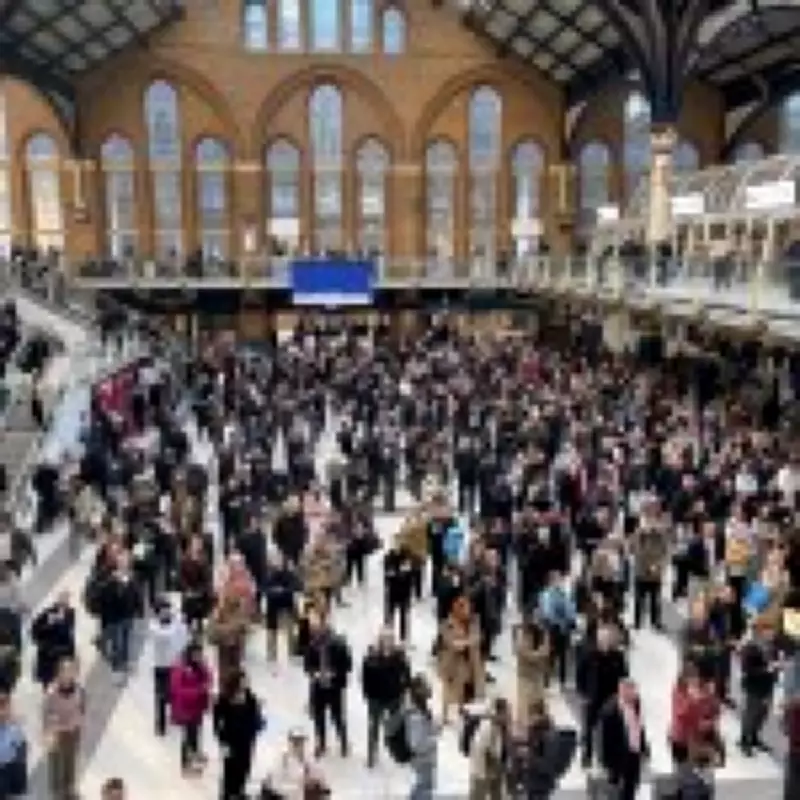
Multiple Underground lines are experiencing either complete service suspensions or significant delays until at least midday, when the first 24-hour strike period concludes. While Transport for London (TfL) services including the Elizabeth line, Docklands Light Railway, London Overground, and trams continue operating normally, they are experiencing extreme overcrowding as passengers seek alternatives.
The vast majority of London's bus network remains operational, though TfL warns of severe delays and increased passenger volumes throughout the strike period. Commuters are strongly advised to check the official TfL website for real-time service updates before beginning their journeys.

Businesses Bear the Brunt
Small businesses across London are reporting significant financial impacts from the strike action. Retailers, restaurants, and service providers dependent on commuter footfall are experiencing dramatic revenue declines.
"Our takings today are down by about a half," said Ben Nunn, owner of Nobl men's clothing store. "This is our third week here as a pop-up store, and it's a shame to have the strike when we're here."
Italian lunch spot Notto near Liverpool Street Station reported approximately 20% revenue reduction, while Theresa Roberts, owner of Jamaica Patty with four London locations, described the situation as "terrible for a small business like us." She added, "Our business model is based on footfall from the stations, so it is hitting us already."
Commuters Face Extended Journeys
Londoners are experiencing significantly extended travel times and increased costs. Taxi services are reporting surge pricing, with some journeys doubling in cost. Ride-hailing apps are showing similar price increases as demand outstrips supply.
Finance worker Anthony Craft described his typical 30-40 minute journey home now taking "an hour and a half, so not very pleasant." His friend Joe Carter noted they were seeing surge pricing of £60-£70 for a journey that normally costs around £30.
Alternative transport modes are seeing increased usage, with London's cycle hire scheme reporting a 14% increase in usage as commuters seek to avoid public transport disruptions.
Strike Background and Official Responses
The strike centers on a voluntary proposal from TfL to implement a compressed four-day week for train operators. The RMT argues that longer working days risk driver fatigue and compromise passenger safety. Jared Wood of the RMT stated negotiations left members feeling "there is absolutely no alternative but to proceed with the strike action."
TfL has called the industrial action "completely unnecessary" and maintains that drivers can remain on a five-day week if they prefer. A spokesperson for Mayor Sadiq Khan stated, "Strikes are bad for London and bad for Londoners, particularly for all those businesses who rely on commuters coming into our city. The Mayor continues to urge that there be a swift resolution to this dispute."
Public Sentiment Divided
Public opinion appears divided on the strike action. Some commuters express frustration with the disruption, while others show understanding for the drivers' position.
Hemercia Quintas, a 28-year-old tailor, said, "They have a right to go on strike, they can do it legally of course. But the impact is huge, and they know it."
Commuters Wesley and Dan, enjoying post-work pints, reflected the mixed feelings. Wesley noted, "I'm not going to hate on the drivers for striking because I don't have the data on how much they earn and their hours," while Dan predicted, "I imagine tomorrow the pubs will be full of disgruntled commuters."

Looking Ahead
With the strike scheduled to continue for two more days, Londoners face ongoing disruption. The Underground will operate reduced services with later start times, while alternative transport options will remain under significant pressure. Businesses dependent on commuter traffic brace for continued financial impact as negotiations between TfL and the RMT continue.
Passenger numbers on the Tube network are running at approximately 51% of normal levels, with Oyster card usage 13% lower than expected. The Jubilee, Bakerloo, Victoria, and Metropolitan & City lines are reportedly performing better than anticipated, offering some relief amid the widespread disruption.