London Transport Faces Mounting Safety Crisis as Violence Against Women Soars
A damning new report from the London Assembly Police and Crime Committee has exposed a critical failure in addressing escalating violence against women and girls (VAWG) and hate crimes across the capital's public transport network. The investigation reveals that while offences have surged dramatically, only a tiny fraction result in criminal charges, creating a climate of fear and underreporting among vulnerable passengers.
Alarming Statistics Highlight Systemic Failures
According to British Transport Police data, 2025 witnessed 24,192 recorded offences across Transport for London services—a staggering 46 percent increase compared to pre-pandemic averages. Within this troubling figure, 4,593 were specifically categorized as VAWG offences, yet merely 3 percent culminated in charges or summons. Equally concerning, approximately 58 percent of these cases failed to identify any suspect whatsoever.
Hate crime statistics paint an equally bleak picture, with 1,724 offences recorded in the same year. Only about 2 percent of these incidents led to charges or summons, while 66 percent identified no suspect. These figures have heightened the perceived risk for many Londoners, particularly women and girls, ethnic minorities, disabled individuals, and members of the LGBTQ+ community.

Widespread Underreporting and Eroding Confidence
The committee's report argues that both the British Transport Police and Metropolitan Police have fundamentally failed to grasp the true scale and nature of hate crime and VAWG on public transport. This failure has resulted in victims losing confidence in reporting incidents and receiving adequate support afterward.
Marina Ahmad AM, Chair of the London Assembly Police and Crime Committee, emphasized the severity of the situation: "Millions of people use London's transport network every day, and what should be a straightforward journey can turn into a traumatic experience for so many. Many Londoners, in particular women and girls, disabled people, members of faith communities, and LGBTQ+ Londoners, face unacceptable levels of hate crime and harassment on the network."
The report further notes that many crimes go unreported due to various factors, including lack of trust in outcomes, the trauma of the incident itself, and slow response times from authorities.
Financial and Social Consequences of Transport Fear
The pervasive fear of incidents has led to significant behavioral changes among passengers. Research presented to the committee revealed that 70 percent of people now choose not to travel or avoid specific times due to personal security concerns. This avoidance behavior forces some individuals to spend up to £900 annually on taxis as an alternative to public transport.
Tricia Hayes from London TravelWatch told the committee: "70 percent of people were choosing not to travel, or not to travel at particular times of day, because they were worried about their personal security."
Current Initiatives and Proposed Solutions
While acknowledging TfL's existing efforts—including the 'Act Like a Friend' bystander campaign and a revamped online reporting tool—the report stresses that these measures are insufficient given the nationwide increase in hate crimes. The committee expressed cautious optimism about the Mayor's Transport Hate Crime and VAWG Taskforce, launched in October, but emphasized the need for a coherent and accountable framework.
To address the crisis, the cross-party committee has recommended several critical measures:

- Creation of a dedicated rapid response taskforce comprising TfL, British Transport Police, and the Metropolitan Police to ensure reports are addressed within published timeframes
- Enhanced data collection and analysis, including an annual London-wide survey capturing passenger experiences
- Specialist training for frontline TfL staff and bus drivers to combat hate crimes and VAWG during ongoing incidents
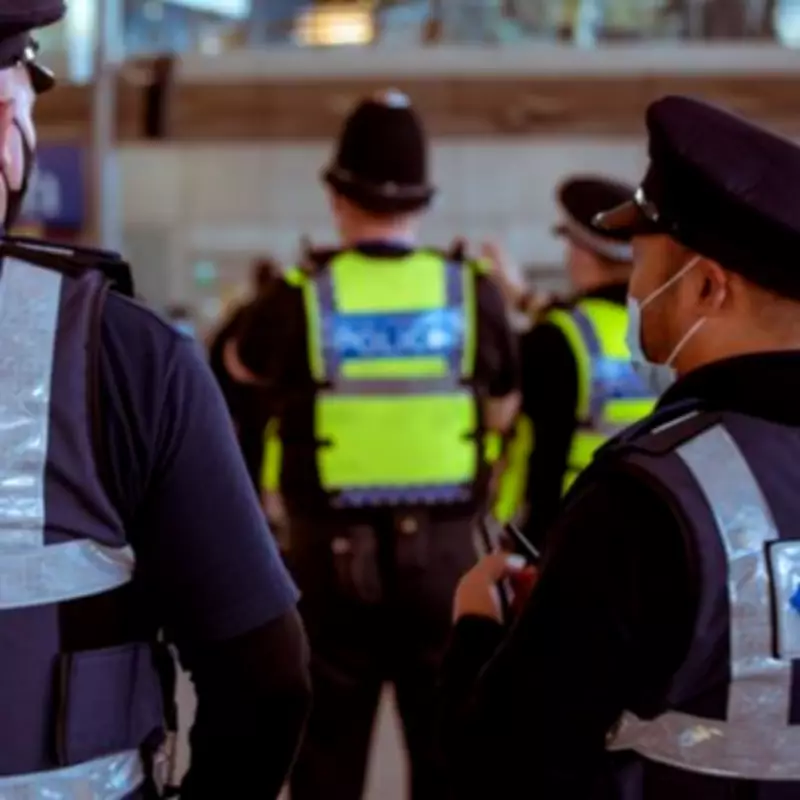
- More visible enforcement officers and faster response mechanisms to improve public perception of transport safety
Official Responses and Commitments
A spokesperson for the Mayor of London stated: "Nothing is more important to the Mayor than keeping Londoners safe, and he is clear that no one should have to feel scared or vulnerable on public transport or anywhere in the capital. Sadiq has invested over £277 million to tackle the epidemic of violence against women and girls in all its forms, and dedicated a record £16 million—more than any other Mayor—to tackle hate crime and intolerance in all its guises."
Siwan Hayward, TfL's Director of Security, Policing and Enforcement, added: "The safety of everyone using the transport network is an absolute priority for us, and we are committed to tackling all forms of hate crime and violence against women and girls. We have a strong police and enforcement presence on our services and in our stations to prevent crime and are determined to continue working together to make the transport network a hostile place for offenders."
Commander Clair Kelland, public protection lead for the Metropolitan Police, acknowledged the challenges: "We are already delivering major improvements across several of the areas identified in this report—from rolling out bespoke VAWG training to more than 23,000 officers and staff, to strengthening victim support through specialist services. As this report highlights there is more to be done to make women feel safer on transport in London, which is why we will continue to work closely with TfL, BTP and local partners."
The report concludes that without immediate and coordinated action from all relevant authorities, London's public transport system risks becoming increasingly unsafe for vulnerable groups, with long-term consequences for social inclusion and urban mobility.