London SUV Drivers Could Face Additional Charges Under New Road Safety Strategy
Drivers of large SUVs in London might soon encounter new financial charges as part of a comprehensive road safety initiative aimed at reducing fatalities and serious injuries across the capital. The proposal is being considered by London Mayor Sadiq Khan as a component of Transport for London's Vision Zero action plan, which seeks to eliminate all traffic deaths and severe injuries on London's roads.
Growing Safety Concerns Over SUV Dominance
Research from Transport for London indicates that SUVs are contributing to "intensifying risks across London" due to their size and design characteristics. These vehicles, which account for approximately one-third of all new car purchases in the United Kingdom, are particularly problematic in urban environments where space is limited and air quality concerns are already significant.
The Vision Zero document highlights that oversized vehicles like SUVs make it "harder for drivers to see people walking and cycling nearby" and that children can be more easily "hidden from driver's view." Furthermore, SUVs are reported to be 77 percent more likely to kill a child if involved in a collision compared to smaller vehicles.

Potential Implementation and Public Response
While specific details about the proposed SUV charge remain undecided, the concept has gained traction amid growing criticism of these vehicles' environmental impact and safety record. Some activists have taken direct action, with groups like The Tyre Extinguishers making headlines in 2022 by deflating thousands of SUV tires across the UK in climate protests.
A spokesperson for Mayor Sadiq Khan stated: "There is growing evidence about the safety risks of large SUVs, which are becoming more common on London's roads. The Mayor has asked TfL to undertake detailed analysis of the safety risks posed by large SUVs and their wider impact on London's roads. This could then inform any future policy proposals in London or recommendations to Government or the sector."
Additional Road Safety Measures Under Consideration
The Vision Zero plan includes several complementary strategies beyond potential SUV charges:
- Expansion of 20mph speed limits across more London roads, building on the success of Central London's 2020 implementation that resulted in 40 percent fewer deaths
- Introduction of 40mph limits on faster, high-risk roads managed by TfL with residential buildings, side roads without signals, or bus stops
- Deployment of artificial intelligence technology to help identify and apprehend dangerous drivers
- Installation of 1,000 new pedestrian crossings throughout the city
These speed limit changes on Transport for London roads are projected to be fully implemented by 2035, according to the Vision Zero report.
SUV Definition and Urban Impact
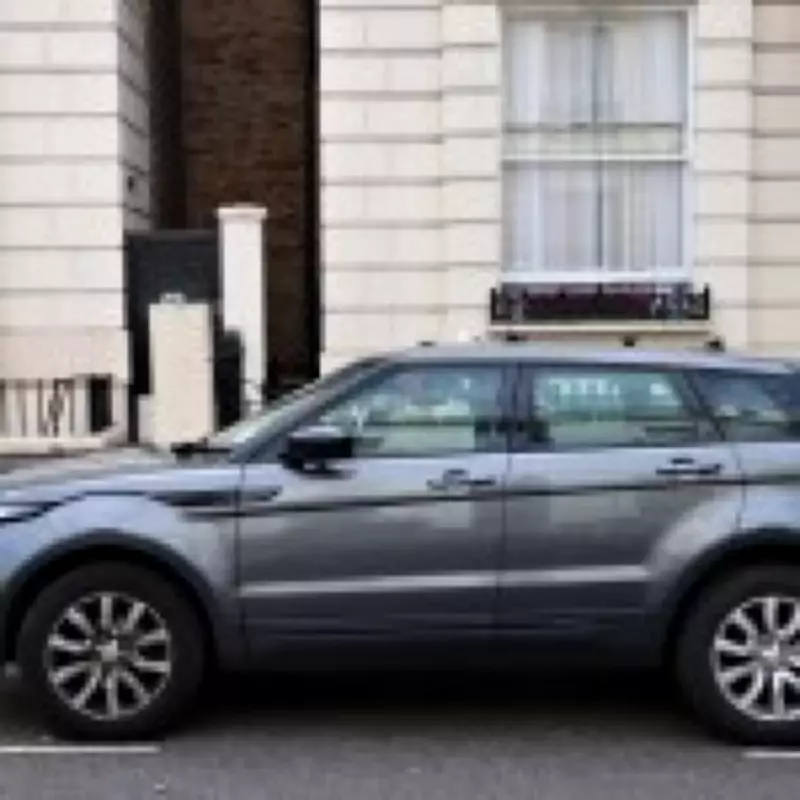
Although there is no official definition for Sports Utility Vehicles, they are generally characterized as bulkier 4×4 cars with elevated driving positions. Originally designed for rough off-road conditions with military and agricultural applications, SUVs have seen their sales concentrated in urban areas where their size presents particular challenges.
Campaign group Transport Environment notes that a two-tonne SUV causes approximately 16 times more road damage than a mid-size car, leading to increased maintenance costs and infrastructure wear. This compounds existing concerns about limited road space and competition among different transportation modes in London.
The popularity of SUVs has surged in recent years despite growing criticism of their size, safety implications, and environmental footprint.As London continues to grapple with road safety challenges, the proposed measures represent a multifaceted approach to creating safer streets for all users. The potential SUV charges would join existing congestion and emissions charges as part of London's strategy to manage urban mobility while prioritizing pedestrian and cyclist safety.