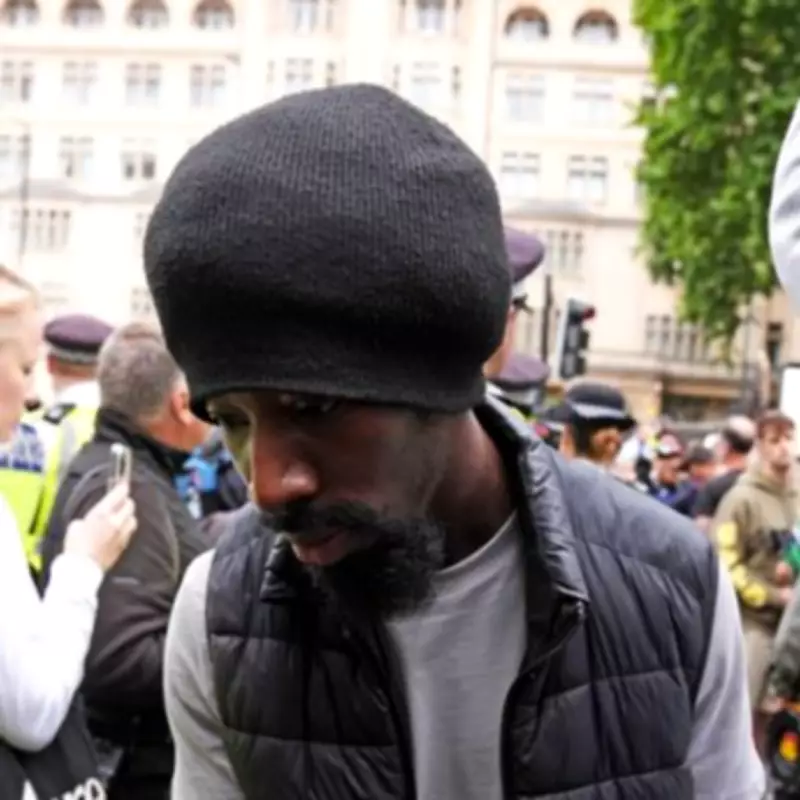
London's 'Most Prolific' Fare Dodger Spared Jail Over 112 Unpaid Train Tickets
One of Britain's most persistent train fare dodgers has been given a suspended jail sentence after accumulating 112 convictions for failing to pay for tickets on journeys that spanned nearly two years. Charles Brohiri, 29, did not pay fares valued at more than £3,000 for Govia Thameslink Railway (GTR) train journeys between February 2024 and November 2025.
Brazen and Persistent Offending
The defendant, originally from Hatfield in Hertfordshire but homeless for years, pleaded guilty to 76 charges of failing to pay for a rail ticket. He was convicted in his absence in August 2024 of a further 36 charges. At his sentencing hearing at Westminster Magistrates' Court, district judge Nina Tempia also considered an additional 16 offences, with three of those said to have been committed just one day before the hearing.
Judge Tempia told Brohiri: "My view is, as set out in the pre-sentence report, that you feel invincible by committing these offences and that you see it as some sort of self-entitlement that you can get away with it." She described his offending as "brazen and persistent" but noted the pre-sentence report showed he had some insight into his crimes and that probation could help him.

Suspended Sentence and Requirements
The judge sentenced Brohiri to three months in jail, suspended for one year. He was ordered to pay back £3,629.60 in unpaid rail fares but was not required to pay prosecution costs amounting to £15,120. Additional requirements included:
- 150 hours of unpaid work
- 12-month prohibited activity requirement (banning travel on any GTR trains)
- Completion of rehabilitation activity requirement
"Be under no illusion if you commit any other offences and you do not comply with the requirements of this order you will be back in court," Judge Tempia warned him.
Continued Offending Despite Restrictions
The court heard that Brohiri continued his campaign of fare dodging even after being banned last April from entering Thameslink stations as part of his bail conditions. His offending continued unabated, with the last allegation recorded just one day before the sentencing hearing on February 10, 2026.
Prosecutor Lyndon Harris stated: "With the exception of the period of October, November, and December 2024, there have been offences in every month since February 2024 to the present day."
Defense Arguments and Personal Circumstances
Defense attorney Eleanor Curzon told the court: "He has expressed remorse and regret for having continued to travel on the trains during the whole period and particularly during the period when he has been appearing before you, judge." She explained that the pre-sentence report found Brohiri had been facing personal troubles but "understood the severity of the charges."
"He reiterated to me this morning that if he is given the opportunity to work with probation, they can assist him in securing accommodation and employment," Ms. Curzon continued. "It is really these two factors which will put an end to Mr. Brohiri's offending."
The court heard that Brohiri attended university but had to drop out and had worked as a waiter and in bars. When asked what he had been doing during his three years of homelessness in London, Ms. Curzon said he had tried to get support from charities "but none of it has been consistent enough."
Financial Implications and Industry Response
The defendant will appear at the same court on March 29 for a means inquiry to assess whether he can pay further costs. It is claimed he owes £31,742 in outstanding financial orders.
A GTR spokesperson commented: "Fare evasion costs the railway an estimated £400 million a year, directly increasing the cost to the taxpayer and diverting vital public funding away from improving services for passengers. That is unfair both on taxpayers and on the vast majority of passengers who pay for their journeys. We therefore take our responsibility to protect ticket revenue very seriously."

The spokesperson added that through careful use of prosecutions, targeted ticket checks, focused action at known hotspots, and better reporting tools for staff, GTR has cut ticketless travel on their network to its lowest level since 2022.