London's black cab drivers are raising alarms over what they describe as a surge of unlicensed private hire vehicles operating across the capital, accusing Transport for London (TfL) of failing to enforce its own regulations. The London Cab Drivers Club, a society representing cab drivers, says these vehicles are increasingly visible outside major hotels, and their presence is undermining both public safety and the licensed trade.
Cabbies Report 'Swarm' of Unlicensed Vehicles
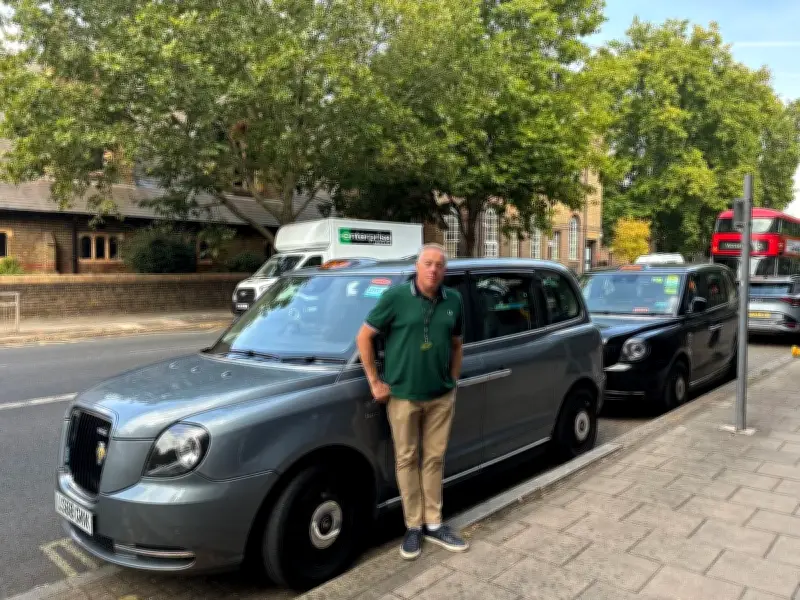
Grant Davies, Chairman of the London Cab Drivers Club for 18 years and a black cab driver for 38, said the situation has become critical. “It's one rule for us and another for them. We are being swarmed, and it's killing the trade,” he told reporters. Davies, who has campaigned for stricter enforcement, described seeing “four or five of these drivers, unlicensed” outside big hotels. The club has investigated minicab companies that advertise a London taxi service but hold licenses issued by councils such as Southend or Wolverhampton, meaning the drivers are not subject to TfL's oversight.
Private hire vehicles in London must be pre-booked through a TfL-licensed operator, with drivers undergoing DBS checks. Customers should receive a booking confirmation containing the vehicle registration, the driver's first name, and their private hire licence number. However, the club claims that many of these vehicles fail checks on TfL's licence checker, suggesting they are operating outside the legal framework.
Threats to Licenses and Public Safety Concerns
One firm allegedly offering complimentary rides is the Saudi Investment Bank, which the club has spotted operating a large number of vehicles in 2026. When club members queried the operation, they say they were threatened with the loss of their own taxi licenses. “You have to ask yourself, who are the drivers? Do they have insurance?” Davies said. “Central London has been hit by a swarm of blacked-out Mercedes Vianos parked outside hotels, without operating licenses. We report this to TfL time and time again, but nothing is done.”
Davies emphasised that the issue is not about competition but about regulation. “It's not the cab trade saying this is unfair, oh no we have competition,” he said. “It's that we are the most regulated cab trade in the world and these new private hire vehicles are operating unlicensed.” He stressed that public safety is paramount, noting that licensed cab drivers must undergo two MOTs per year, a DBS check, and two vehicle checks. “All those checks are there to make sure that if you get into my cab, I'm safe, you're safe and there is a regulated cab fare, but it's a wild west out there in London.”
TfL Response and Declining Cab Numbers
In response to the club's claims, a TfL spokesperson said: “The private hire industry in London is subject to a comprehensive licensing and regulatory framework. We license operators, drivers and vehicles, set regulatory requirements and undertake compliance and enforcement activity to ensure those standards are met. Where evidence of non-compliance is identified, we will consider appropriate regulatory action.” The spokesperson added: “We take reports of potential unlicensed private hire operator activity seriously. We regularly assess intelligence and information received from a range of sources and will investigate where there are grounds to suggest that licensing requirements may not be being met.”
Davies, however, remains skeptical, noting that one of his committee members was told by TfL that they would have their taxi licence taken away for asking too many questions. “They are letting us wither on the vine; it seems to me that TfL are quite happy watching the slow demise of the cab trade,” he said. The number of black cabs on London's roads has fallen to around 16,000, and Davies argues that without enforcement, the trade could disappear altogether. The Saudi Investment Bank was contacted for comment but did not reply at the time of publication.