The London Assembly has called for a 'full investigation' into Tube noise after five areas were flagged as suffering from excessive levels. Transport for London (TfL) has been urged to lay out a clear plan to address the issue affecting both residents and commuters.
Noise levels can exceed 100 decibels
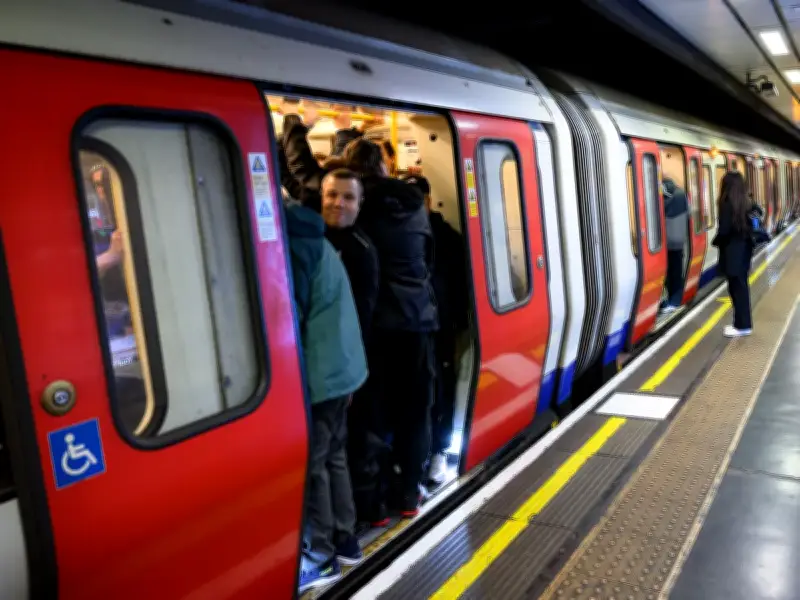
High-pitched screeching from train wheels on curved tracks is a common nuisance on the London Underground. Noise levels can reach over 100 decibels—equivalent to a helicopter taking off nearby. TfL has implemented measures such as a targeted track grinding programme between 2020 and 2022, but this was later replaced by a 'data led' approach.
Labour Assembly Member demands transparency
Elly Baker, Labour’s Transport Spokesperson on the London Assembly, wrote to TfL Commissioner Andy Lord last month demanding transparency over the methodology and success of the new strategy. She noted that 'the frequency and depth of grinding interventions declining sharply' and that 'residents affected have reported a clear rise in noise levels.' Baker criticised TfL for providing 'less, not more, detailed' information, saying residents feel 'the root causes of Tube noise—including the link between noise and long term decisions about maintenance, renewals, and investment—are not being acknowledged.'
Mayor responds with increased funding
On July 16, Baker asked Mayor Sadiq Khan why TfL's approach appeared to be worsening. The Mayor responded: 'I recognise the impact that noise can have on people travelling on the Underground and the residents who live in close proximity.' He noted that TfL has a dedicated rail grinding budget of £9 million in 2025-26, up from £8.1 million, and is trialling new rail grinding technology and speed variation. He added: 'If TfL are not responding to members of the Assembly with information and transparency in a manner that is befitting, it begs the question—are they responding to residents?' He pledged to ensure TfL provides 'far, far, far more detailed' information.
TfL defends its approach
A TfL spokesperson said: 'We understand the importance of minimising noise levels on the Tube itself and in surrounding areas for our customers, staff and neighbours. This is a priority and we are determined to achieve this.' They highlighted removal of insulated rail joints, continuous rail grinding, track modernisation, and other targeted interventions. TfL had earlier told Baker that providing monthly updates would be a 'significant logistical challenge' and that long-term plans cannot be shared as approvals are given only eight weeks in advance.
Residents demand action
Baker told the Local Democracy Reporting Service: 'I want to see a full investigation into the scope of this issue across the city so there can be a fully coordinated approach to tackling it. Residents deserve answers, and they deserve action.' The five areas most affected are Brent, Kennington, Islington, Camden, and South Wimbledon.