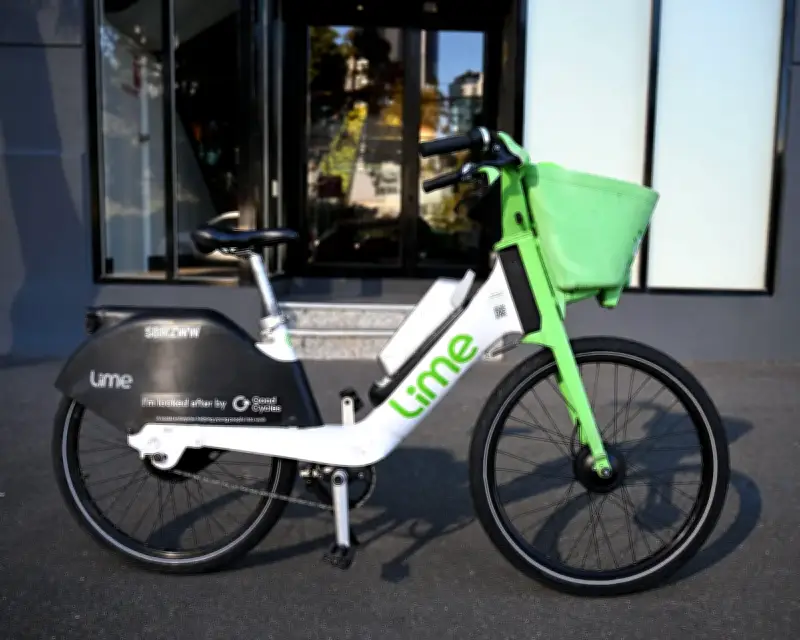
Nearly half of Londoners aged 18-34 now use Lime bikes weekly, and the rental ebike company reported 16 million commuter journeys in 2024. But some riders are facing a frustrating problem: “Lime bike hoggers” – users who keep booked bikes in their private homes and gardens, preventing others from accessing them.
Call for commuter experiences
The Guardian is asking ebike users, particularly those commuting during rush hour, to share their experiences of selfishness from other riders. The focus is on the practice of keeping Lime bikes or other ebikes in private areas, which can disrupt the availability of bikes for other users.
“We would particularly like to hear from people whose commute has been affected by others who keep Lime bikes or other ebikes in their private areas and gardens,” the outlet stated. This callout aims to gather firsthand accounts from those who have encountered this issue.
How to share your story
Readers aged 18 or over can share their experiences anonymously if they wish. Responses can be submitted via an encrypted form on the Guardian website, ensuring that only the Guardian has access to the contributions. The data will be used solely for the feature and deleted when no longer required.
Alternatively, contributors can contact the Guardian on WhatsApp at +447766780300 or use the Secure Messaging service for fully anonymous communication. The outlet assures that all responses are secure and handled in accordance with its terms of service and privacy policy.
Impact on commuters
The practice of hogging Lime bikes can significantly affect daily commutes, especially during peak hours when bike availability is crucial. With 16 million commuter journeys reported in 2024, the issue may be widespread, impacting the efficiency of shared transport in the capital.
The Guardian’s callout seeks to highlight these experiences and potentially shed light on the scale of the problem. By sharing stories, commuters can contribute to a better understanding of how this behavior affects urban mobility and whether further measures are needed to address it.