Elizabeth Line Serves as Critical Transport Lifeline During London Underground Strikes
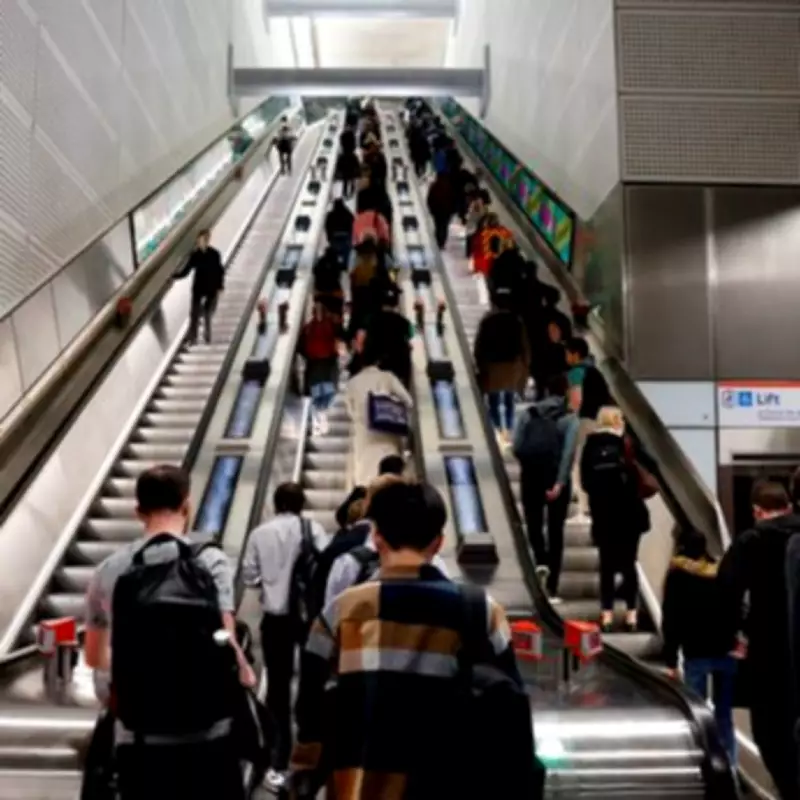
The Elizabeth line is poised to become an essential alternative for London commuters during this week's Tube strikes, which threaten to severely disrupt travel across the capital. While Underground services face significant walkouts, the Elizabeth line will maintain normal operations alongside the DLR, London Overground and National Rail networks, offering passengers vital connections throughout the city.
Strike Details and Operational Impact
Industrial action is scheduled from midday Tuesday, April 21 through midday Wednesday, April 22, with additional strikes occurring during the same hours on Thursday, April 23 and Friday, April 24. These walkouts exclusively involve Tube drivers engaged in a separate dispute with Transport for London regarding proposed working hour reductions.
The conflict centers on TfL's proposal to implement a 35-hour four-day work week, replacing the current arrangement of 36 hours across five days. The Rail, Maritime and Transport Union has raised concerns about potential driver fatigue and passenger safety, advocating instead for a 32-hour four-day schedule. TfL Chief Operating Officer Claire Mann has countered that this alternative would prove financially unsustainable, estimating costs in the tens of millions.

Key Elizabeth Line Interchange Stations During Disruption
Several Elizabeth line stations will provide crucial transfer points to other unaffected transport networks:
- Liverpool Street: Offers connections to National Rail services and London Overground, serving as a primary hub for commuters from Cambridge, Norwich, Ipswich, Colchester and Southend. The Weaver line will continue operating with links to Hackney Downs, Seven Sisters and Walthamstow Central.
- Whitechapel: Features interchange with the London Overground Windrush line, providing northbound services to Shoreditch, Dalston and Highbury and Islington, plus southbound routes to Canada Water, New Cross, Denmark Hill, Clapham and Croydon.
- Canary Wharf: Enables access to DLR services connecting to Bank and Stratford.
- Farringdon: Provides important National Rail connections across London, with southbound trains serving Blackfriars, London Bridge and East Croydon, and northbound services to St Pancras and West Hampstead.
- Stratford: Functions as East London's primary transport hub with National Rail and London Overground routes. The Mildmay line connects to Hackney, Highbury and Islington, Camden, West Hampstead, Willesden Junction, Shepherd's Bush, Richmond and Clapham Junction, plus direct National Rail services to Tottenham Hale and Upminster.
- Romford: Offers short London Overground connections to and from Upminster, particularly useful for passengers affected by District line disruptions.
Why Elizabeth Line Remains Operational During Strikes
Despite its prominent appearance on TfL maps, the Elizabeth line operates independently from the London Underground network. Although it travels through underground sections, it utilizes National Rail infrastructure rather than Tube systems. Additional distinguishing factors include larger train dimensions and limited Oyster card compatibility across the entire route.
CEO Mark Wild clarified: "The Elizabeth line isn't a Tube line. While it's called 'a line,' it actually represents a new transport mode - comparable to Paris's RER or Munich's S-Bahn systems." This operational independence ensures the Elizabeth line will continue normal service throughout the strike period, though increased passenger volumes are anticipated during peak travel times.
London Underground Service Disruptions
Transport for London has confirmed that most Underground lines will experience significant service reductions during the strikes. The Piccadilly line will be completely suspended due to its high concentration of RMT member drivers. Additional closures include the Circle line, the Metropolitan line between Aldgate and Baker Street, and the Central line between Liverpool Street and White City, as TfL prioritizes maintenance of busier routes.

The Hammersmith and City line will largely cover the Metropolitan line's affected section, while the Elizabeth line offers an alternative for passengers who typically use the Central line. Commuters are advised to plan journeys carefully and anticipate crowded conditions on operational services throughout the strike period.