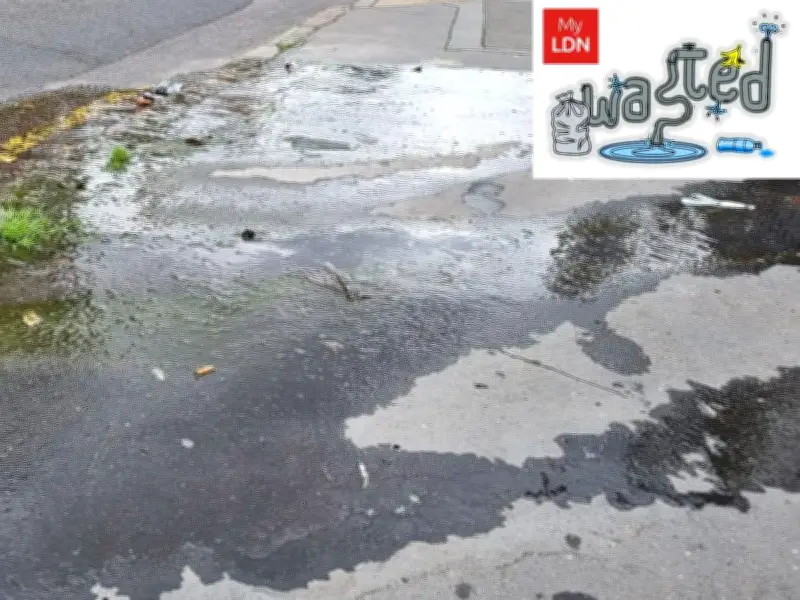
Residents in South Croydon say water leaks have flowed onto pavements and roads “all summer”, with some trails becoming slimy and smelly, forcing pedestrians into the road to avoid them. The ongoing issues have raised concerns about Thames Water’s handling of repairs and communication, as the company insists there are “no concerns around hygiene, environmental or public safety”.
Residents report slippery, smelly conditions
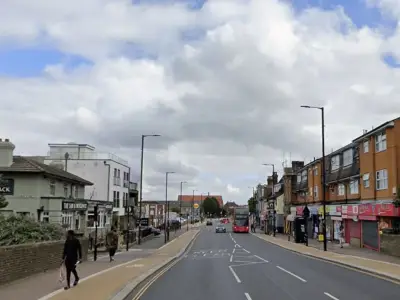
In Croham Road, resident Jack told the Local Democracy Reporting Service (LDRS) a leak had been running onto the pavement outside his home “all summer”, with no communication from Thames Water. He said the same leak had occurred three times over the past year. “I can’t open my window any more because of the smell,” Jack said. “Bluebottle flies have started coming in through the windows above.”
Next door, Jackie Harper said she had also received no communication about the problem, despite the leak becoming increasingly unsightly. “The leak is covered with slime and moss now,” she said, gesturing to the green-tinged trails on the pavement outside her property. “There are no signs or barriers warning people about the leak.” The lack of signage stood in stark contrast to the fencing and notices around large-scale UK Power Networks roadworks, which had forced the closure of Croham Road just behind the pavement leaks.
“You see a couple of Thames Water vans coming along and think they are going to do something about it, but they don’t,” Jackie added.
Thames Water response and investigation
Thames Water said the leak in Croham Road appeared to be connected to neighbouring 1–11 Muggeridge Close, a block of low-rise flats. A resident at the flats told the LDRS they had also received no communication from the water company and said the leak had been bubbling up outside the property for months. Thames Water said an engineer would investigate the leak soon, adding: “Once investigated, we’ll start planning how to repair it.”
The leaks were not confined to Croham Road, with a resident in Aberdeen Road saying a leak outside his home had persisted for months and had begun to attract flies. He said the pavement had also become slippery, forcing some pedestrians to walk in the road to avoid it. “I get fed up with Thames Water, I have told them about this several times,” he said. “I told them if someone slips on it will be their fault.”
The resident said this was not the first time Thames Water had attended the leak, claiming the company had previously visited in June. “Nothing has been done,” he said. “It is annoying because they say you can’t use a hosepipe, while the water from the leak keeps pumping out of the ground.”
Repair plans and broader context
The resident said Thames Water had told him the leak would be repaired in September, although he added: “I can only hope.” He said that if he was charged for the wasted water, he would bring a case against the company. Thames Water said it had investigated the leak in Aberdeen Road and was planning a repair. “We just need to work with the local authority on this, which adds time to the planning phase,” a spokesperson told the LDRS. “Once we've scheduled the repair, we'll send a team to fix the leak.”
MyLondon has been reporting on water leaks as part of its Wasted campaign, probing the city's biggest environmental issues. With London still in an official drought, the loss of an estimated 20 per cent of Thames Water's supplies through leaks has never been a more pressing issue to solve. The LDRS reported in March how a resident on nearby Normanton Road said a persistent leak had left water “running like a river” down her road for more than three months, causing property damage and increasing her monthly bills.
However, Thames Water said residents would not be charged for the leaks and insisted there were “no concerns around hygiene, environmental or public safety”. It said repairs were prioritised according to the size, complexity and location of each leak, as well as whether customers’ water supplies were being affected. The company said some leaks could take longer to repair, particularly during busy periods, and acknowledged residents could be frustrated by seeing visible leaks while being asked to save water.
Thames Water said it was fixing more than 1,000 leaks a week - 20 per cent above normal - with 18 per cent more frontline leakage staff deployed than last year. It said prolonged dry weather, record demand and exceptionally dry ground conditions were increasing the risk of leaks and bursts, while leakage remained 15.1 per cent below its 2019/20 baseline.