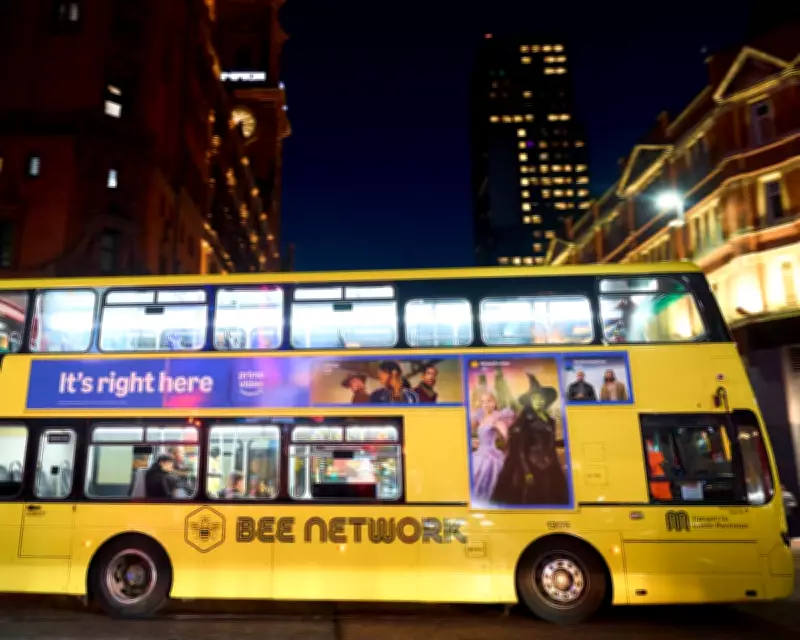
Night Buses to Serve All Greater Manchester Boroughs as Bee Network Grows
Transport for Greater Manchester (TfGM) has revealed plans to expand its publicly controlled Bee Network, introducing night bus services to every borough in the city region. Mayor Andy Burnham announced the changes, which are expected to benefit approximately 740,000 people, representing about one in four of Greater Manchester's population. This move follows a period of rapid growth in ridership since buses were brought back under public control in 2023.
Supporting the Night-Time Economy and Deprived Areas
The new services, set to be implemented in the coming months, aim to improve connections in the city region's most deprived areas and provide enhanced support for the night-time economy. Key employment and visitor destinations, such as business parks in Rochdale and Bolton, MediaCityUK in Salford, and Manchester Airport, will also see increased bus frequencies. Burnham emphasized the symbolic importance of restoring night bus services to all 10 boroughs, stating it should be a basic amenity for a major city like Greater Manchester.
He highlighted the impact of the Bee Network, noting that lowering fares, improving frequency, and restoring routes have led to increased usage. According to TfGM figures, the total distance covered by Greater Manchester buses grew by 7% in the 2024-25 financial year to 82 million kilometers, more than double the growth rate of the rest of England. The network has also brought a 14% increase in bus journeys in a year and improved punctuality, with the new changes adding 2.5 million kilometers annually.

Expanding Coverage and Political Implications
The new night buses will reach previously unserved areas, including Oldham, Stockport, Trafford, and Tameside, ensuring all 10 boroughs have round-the-clock bus services, though some will only operate from Thursday to Saturday nights each week. Burnham argued that improving transport services is one of the most impactful actions leaders can take, helping to resist what he described as "a more poisonous form of politics." He reflected on his 25 years in politics, stating that the Bee Network has been uniquely impactful and questioned why Westminster had long ignored bus services.
Burnham, often seen as a rival to Keir Starmer, added that protecting the progress made requires stopping the advance of such politics, referencing historical decisions like the breakup of GM buses in the mid-1980s under Margaret Thatcher. Other combined authorities and metro mayors in the north, such as South Yorkshire's Oliver Coppard, are looking to emulate the Bee Network's success with similar integrated transport systems.
Future Growth and Devolution Prospects
Regional leaders anticipate further growth opportunities following Chancellor Rachel Reeves' announcement of plans to devolve control of a share of national taxes. Burnham described this as an exciting and potentially significant moment since the initial devolution plans by George Osborne. The Bee Network, launched in late 2023 as the first integrated transport system outside London, combines bus routes set and franchised by the mayor with combined fares for trams, setting a precedent for other regions to follow.