The Automobile Association has issued crucial winter driving advice that could prevent accidents and hefty fines for motorists across the UK. With temperatures dropping significantly and treacherous conditions becoming more common, the motoring organisation is urging drivers to perform essential vehicle checks before embarking on journeys.
The Essential 20p Tyre Test
In a recent social media demonstration, an AA spokesperson highlighted a remarkably simple method for checking tyre tread depth using nothing more than a 20p coin. The legal minimum tread depth in the UK is 1.6mm, and falling below this threshold can result in dangerous driving conditions and substantial penalties.
To perform the test, drivers should insert a 20p coin into the main grooves of their tyres. If the outer band of the coin remains visible, this indicates that the tread depth is below the legal limit and requires immediate professional attention. Conversely, if the coin's outer rim disappears into the groove, the tyre likely meets the legal requirement.
The AA recommends conducting this check in at least three different locations on each tyre to obtain an accurate reading of the overall tread depth. This simple procedure takes just moments but could prove invaluable for maintaining road safety during winter months when grip is paramount.
Why Tyre Maintenance Matters
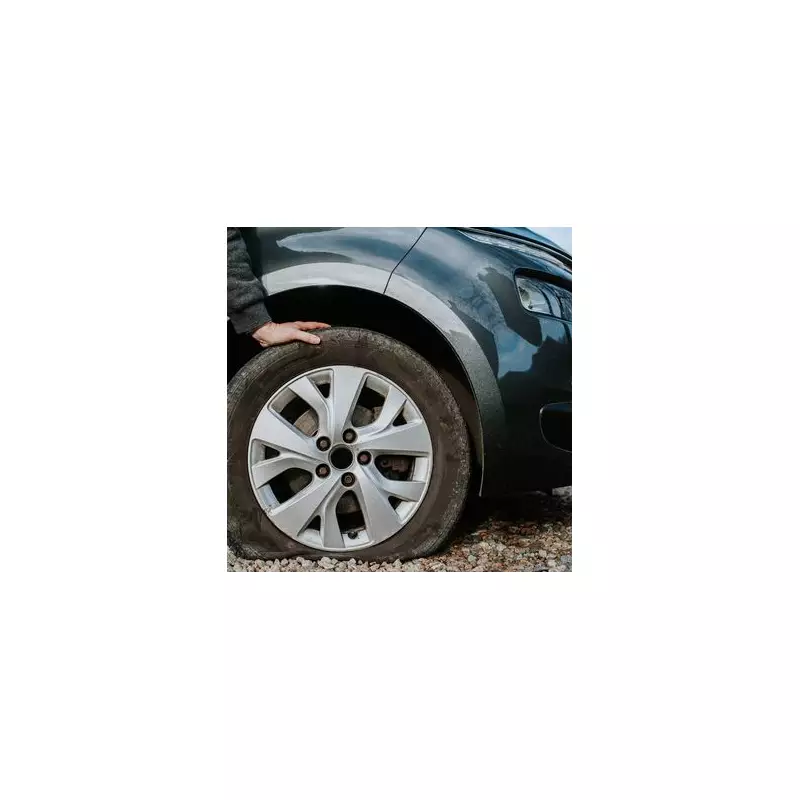
Maintaining adequate tread depth is critical for several safety aspects of vehicle operation. Proper tread ensures better grip on slippery winter roads, improves braking performance, and helps displace water to prevent aquaplaning during rainy conditions.
Motor retailer Halfords has emphasised the serious consequences of driving with worn tyres, stating: "Driving with worn tyres is not only a serious safety risk, but a costly one too." The penalties for bald tyres in the UK are severe - drivers face fines of up to £2,500 plus three penalty points on their licence for each illegal tyre.
While the legal minimum stands at 1.6mm, most motoring organisations recommend replacing tyres well before they reach this critical level to ensure optimal safety.
Additional Winter Driving Precautions
The AA's winter preparedness advice extends beyond tyre checks. The organisation also recommends using winter-grade screen wash to prevent freezing, which could impair visibility during critical moments.
Furthermore, drivers should consider assembling an emergency kit to keep in their vehicle throughout the winter months. This should include essentials such as a warm blanket, non-perishable snacks, a torch, and a portable charger in case of breakdowns or becoming stranded in severe weather.
Safety should always be the primary consideration when driving in winter conditions. If roads appear icy or dangerously slippery, or if drivers feel uncertain about their ability to handle the conditions, they should carefully consider whether their journey is absolutely necessary.
With winter firmly setting in across Britain, taking a few moments to perform these simple checks could make the difference between a safe journey and a potentially dangerous situation on the roads.