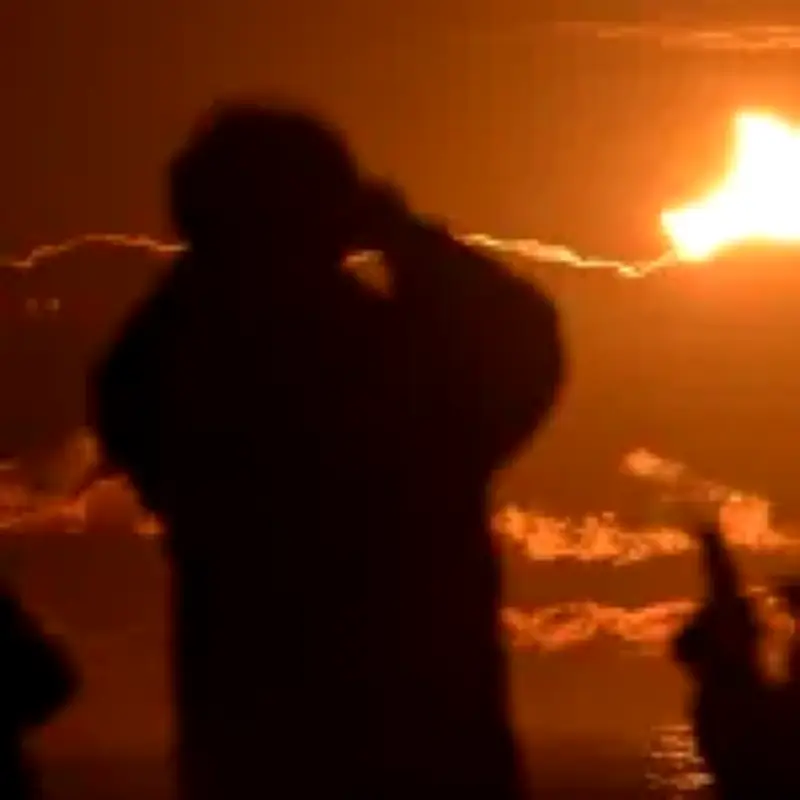
The UK is set to experience its deepest partial solar eclipse in decades today, August 12, 2026, with the event peaking at approximately 7:10pm. While the nation will not witness a total eclipse, this partial one is the most significant until 2081, according to the Met Office. The next total solar eclipse visible from the UK is not expected until 2090.
Timing and Visibility Across the UK
The eclipse will occur between 6pm and 8pm, with exact times varying by location. The Met Office has confirmed that the eclipse will be viewable from across the country, though some areas will offer better views than others. For precise timings, residents are advised to consult timeanddate.com, which provides location-specific eclipse schedules.
Unlike northern Spain or Greenland, the UK lies narrowly outside the path of totality—the zone where the moon completely obscures the sun, plunging the area into darkness for over two minutes. This means UK viewers will see a partial eclipse, where the moon takes a 'bite' out of the sun rather than covering it entirely.
Expert-Recommended Viewing Spots
Metro spoke with two stargazing experts to identify the best places in the UK to observe the event. Their recommendations are detailed in a guide published on Metro's website, which highlights locations with clear horizons and minimal light pollution. The Met Office has also released an infographic showing peak eclipse times across different regions.
As excitement builds, solar eclipse glasses have largely sold out online, leading to anticipated long queues at the few physical retailers that still stock them. Metro's live blog is providing real-time updates, including images and reactions, to help viewers navigate the event safely.
Understanding Solar Eclipses
A solar eclipse occurs when the moon slides between Earth and the sun—a cosmic coincidence where the moon is about 400 times smaller than the sun but also about 400 times closer to us. Partial solar eclipses happen two to five times a year, but total eclipses are rarer, with only 66 occurring in the last century. Lunar eclipses, where Earth blocks sunlight from reaching the moon, are observed once or twice a year.
With the moon's shadow racing across Earth at up to 3,000mph, timing is critical. The Met Office advises checking local forecasts for cloud cover, as clear skies are essential for optimal viewing. For those without glasses, indirect viewing methods, such as pinhole projectors, are recommended to avoid eye damage.