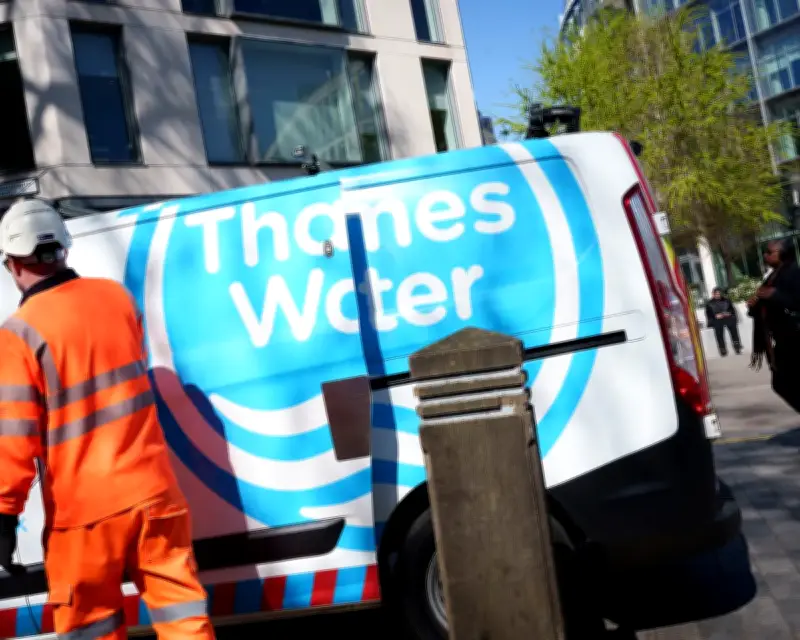
Water companies in England and Wales could be permitted to increase customer bills during periods of drought under proposals being examined by the sector's regulator, Ofwat. The plans, which would allow suppliers to factor "water scarcity" into charges, are intended to reduce consumption and have been compared to surge pricing, the practice used by private hire firms to raise fares during high demand.
The proposal comes days after Prime Minister Andy Burnham expressed anger at water companies, accusing them of treating customers like a "blank cheque" following approval for more than a dozen firms to raise bills further. Last Thursday, it emerged that five companies—Southern Water, Thames Water, Severn Trent, Wessex Water, and South East Water—would be allowed to increase bills more than originally planned before the end of the decade to fund billions of pounds in repairs and infrastructure improvements.
Ofwat's Consultation and Public Anger
The surge pricing proposals, first reported by the Sunday Telegraph, follow the conclusion of Ofwat's consultation on changing wholesale charging rules on 30 July. The regulator is expected to announce its final decision shortly. Public anger over water companies has grown as bills have risen while sewage discharges into waterways continue, and firms have increased executive pay and paid millions in dividends to shareholders.
During an exceptionally hot and dry summer, with nearly three-quarters of England and all of Wales officially in drought, suppliers have also faced criticism for failing to address water lost through leaky pipes. Campaigners argue that such losses far exceed what could be saved through a nationwide hosepipe ban.
Industry Trials and Government Response
An Ofwat spokesperson said: "The efficient use of water is in the best interests of everyone, including businesses. The options we are progressing would support greater consideration of water scarcity and efficiency by water companies when setting their charges, and encourage more tariff innovation." Several water companies have been conducting charging trials aimed at making bills more affordable and potentially reducing demand.
South West Water, which supplies about 1.8 million customers in south-west England, including Cornwall and Devon, is trialling a "rising block tariff" where approximately 500 household customers pay a cheaper rate for lower water usage and progressively higher prices for higher consumption. The company said 90% of its customers would see lower bills under this trial. Anglian Water, serving 7 million customers in the east of England—the UK's driest region—and South West Water are also trialling higher charges for summer water use compared to winter.
Consumer Protections and Future Steps
The Guardian understands there are no government plans for nationwide surge pricing for water bills. A government spokesperson said: "Water companies are trialling new charging structures which must, as promised, make bills fairer and more affordable while encouraging greater water efficiency." They added: "We have already ringfenced money earmarked for new infrastructure so it can only be spent on fixing the problems, and will go further by fundamentally reforming the water sector so that it works for the public, keeping bills as low as they can be."
Andy White, a senior lead for social policy at the Consumer Council for Water (CCW), a government-sponsored body representing customers, said companies were right to explore new tariff structures that could manage demand and give customers more control. He said: "Any new approach must be fair and protect customers who are already struggling with rising water costs. None of the schemes currently being trialled are designed to generate additional revenue for water companies, and many are structured so that most customers will pay less overall." White added that companies should provide smart meter data to give consumers a clearer picture of their water usage.
A spokesperson for Water UK, the industry's trade association, said companies were working to reduce leaks, adding: "We also need to consider whether we could help people save water by rewarding people through their water bill. This might include eliminating standing charges or expanding discounts for customers who save water."