London Transport Fares Rise by 5.8% from Today
Transport for London (TfL) has implemented a significant fare increase across multiple services, with prices rising by 5.8% effective from Sunday, March 1, 2026. This adjustment affects the London Underground, Overground, Docklands Light Railway (DLR), and Elizabeth line, marking the first major fare hike in several years.
Details of the Fare Increase
The 5.8% increase represents a rate that is one percent above the current inflation level. TfL officials have emphasized that all revenue generated from these fare adjustments will be directly reinvested into improving transport services throughout London. This reinvestment strategy aims to enhance reliability, safety, and overall passenger experience across the network.
Single pay-as-you-go Tube fares within Zones 1 to 6 will see increases capped at a maximum of 20p per journey. Notably, Elizabeth line fares from Zone 1 to Heathrow Airport will rise from £13.90 to £15.50 for single trips. While this represents a substantial increase, TfL notes that this option remains significantly more economical than alternatives like the Heathrow Express, which charges considerably higher rates.
Protected Fare Categories and Freezes
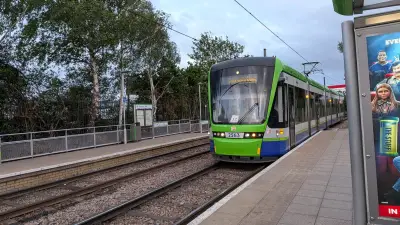
Despite the general fare increase, several important categories remain protected from price hikes. Travelcards and pay-as-you-go daily caps will maintain their current pricing until at least 2027, as promised by Mayor Sadiq Khan. Additionally, tram and bus fares will remain frozen until July 5, 2026, providing continued affordability for these essential services.
The popular Hopper Fare, which allows unlimited bus journeys within one hour for £1.75, will also remain unchanged. This protection particularly benefits low-income Londoners who rely heavily on bus transportation for their daily commutes and essential travel needs.
Government Requirements and Mayoral Defense
Mayor Sadiq Khan has explained that the fare increase stems from specific requirements in the £2.2 billion capital funding agreement with the national government. According to Khan, government officials have "made clear" their expectation that Tube and Overground fares must increase by the Retail Price Index (RPI) plus one percent as a condition of the funding package.
Khan defended the increase by highlighting his administration's record of fare freezes over the past six years. He stated that Londoners have benefited from multiple fare freezes during his tenure, resulting in transport costs that are 16% lower than they would have been if adjusted for inflation since 2016. Furthermore, London transport fares remain 6% lower than if they had increased in line with National Rail fares over the same period.
Impact on Different Passenger Groups
The fare increase will have varying impacts across different passenger categories. Tourists and occasional travelers making single journeys to Heathrow Airport will experience the most noticeable price increases. However, regular commuters traveling to and from Heathrow for work will be protected by the daily fare cap system, which limits their maximum daily expenditure regardless of the number of journeys taken.
Mayor Khan emphasized his continued commitment to keeping TfL fares as affordable as possible, acknowledging that many Londoners continue to struggle with the ongoing cost-of-living crisis. "This is the seventh time I've frozen bus and tram fares," Khan stated, "which will particularly benefit those on the lowest incomes in our city."
The Mayor further explained that the record number of fare freezes implemented since 2016 means Londoners continue to save substantially on travel costs compared to what they would have paid under different pricing policies. Khan pledged to continue supporting Londoners through these challenging economic times while working toward building "a fairer, greener London for everyone."
Long-term Implications and Future Projections
Transport analysts suggest that this fare increase, while significant, represents a necessary adjustment to maintain and improve London's extensive transport network. The reinvestment of fare revenue into service improvements is expected to yield long-term benefits for all passengers through enhanced infrastructure, reduced delays, and improved accessibility features.
Looking forward, TfL officials indicate that future fare adjustments will continue to balance affordability concerns with the financial requirements necessary to maintain and expand London's world-class transport system. The current arrangement with frozen Travelcards and bus fares provides some stability for regular commuters while allowing for necessary adjustments in other fare categories.