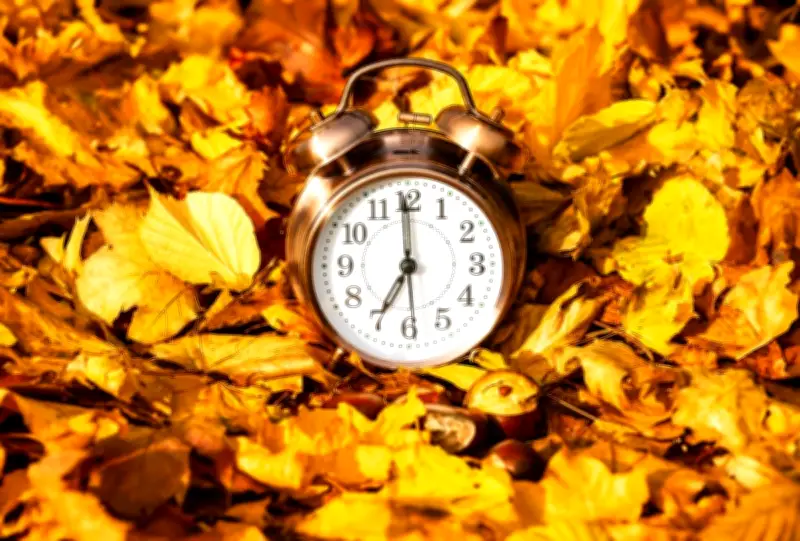
The clocks will go back one hour at 2am on Sunday October 25 2026, marking the official end of British Summer Time (BST) and the return to Greenwich Mean Time (GMT) across the UK. The change means the sun will set before 5pm in most major cities, with London seeing sunset at 4.45pm that day.
What time do the clocks change and why?
At 2am on October 25, clocks will fall back to 1am, giving everyone an extra hour in bed. The UK first introduced clock changes in 1916 as a wartime measure to make better use of daylight and save fuel. Once autumn arrives, sticking with BST would lead to unnecessarily dark mornings, so the clocks are put back to shift daylight to the evening hours.
Greenwich Mean Time is the UK's standard time zone during winter months, used once BST is dropped. British Summer Time will return on March 28 2027, when clocks go forward again.
Sunset times after the clocks go back
On Sunday October 25, once the clocks have gone back, sunset in major UK cities will be as follows: London – 4.45pm, Birmingham – 4.48pm, Manchester – 4.47pm, Cardiff – 4.56pm, Edinburgh – 4.43pm, Glasgow – 4.45pm, and Belfast – 4.57pm.
Most digital devices such as phones, computers, smart TVs and modern cars will update automatically. However, older or manual timekeeping devices like traditional clocks, some cars and kitchen appliances will need to be adjusted by hand.
Will the UK stop changing clocks?
Some scientists argue that the twice-yearly clock changes disrupt natural circadian rhythms and harm overall wellbeing, leading to calls for daylight saving to be abolished. The European Union voted to end mandatory daylight saving time in 2019, but the change has not yet taken effect. The UK has no current plans to abandon the tradition.
Public opinion remains divided. A 2024 YouGov survey showed that 46 per cent of British citizens favour maintaining the clock changes, while 42 per cent support their removal.
Around 70 countries adopt daylight saving time in some form, including most of Europe, the United States (partial), Canada (partial), Australia (partial), Mexico (partial), Chile (partial), Greenland (partial), and New Zealand. The practice is also observed in territories such as Akrotiri and Dhekelia, Bermuda, the Bahamas, Haiti, Israel, Lebanon, Palestine, and Turks and Caicos.
As the evenings grow darker, the UK enters the season of cosy pubs and the countdown to Christmas. For those looking to make the most of the darker evenings, autumn activities and the UK's best pubs for 2026 offer ways to embrace the seasonal shift.