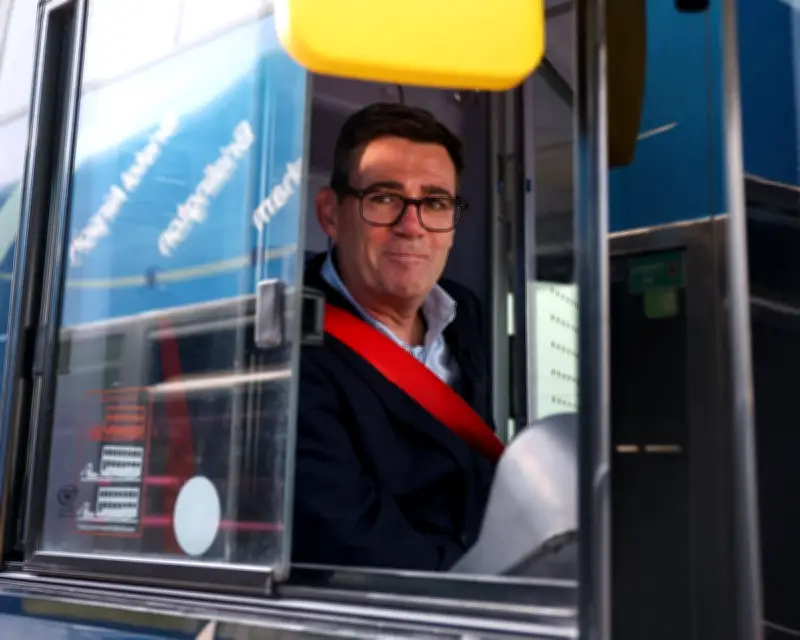
Prime Minister Andy Burnham has announced that single bus fares across England will be capped at £2 from January 2027, reversing a previous increase and aiming to ease the cost of living. The nationwide cap, currently set at £3 until March 2027, will be reduced to £2 for the entire year, matching a cap that was in place from January 2023 to December 2024 but was deemed unaffordable by the previous government.
The initiative, which applies to all of England except London, is expected to cost more than £500 million. Funding will come from £400 million redirected from international climate finance loans, savings from the Department for Energy Security and Net Zero budget, and approximately £50 million from existing Department for Transport bus funding. Devolution allows similar action in Scotland, Wales, and Northern Ireland.
Burnham defends the cap as essential for affordability
“Good, affordable transport links are an essential. No one should be priced out of those and left behind,” Burnham said on Wednesday. “But for too long people have said that cheaper transport isn’t an option. I don’t accept that. I’ve done it before and I will do it again now: a £2 cap on bus fares for millions across the country. Lower fares will help people get to where they need to – giving them breathing space to help with the cost of living.”
Burnham, who previously capped single bus fares at £2 in Greater Manchester as mayor, has long prioritised bus reform. The region’s Bee Network brought buses under local control through franchising, a model he now seeks to replicate nationally.
Criticism over funding from aid budget
The move attracted criticism from Bond, a network of UK NGOs working on international development. Chief executive Romilly Greenhill accused Burnham of “continuing to raid the diminished UK aid budget”, saying he had pitted marginalised communities in the UK against those in countries vulnerable to the climate crisis. “Climate finance must not worsen the debt burden of countries that are already suffering the worst – and most costly – impacts of a climate crisis they did not cause,” she said.
Transport secretary Heidi Alexander defended the funding, telling BBC Breakfast: “There is £454m of reprioritising money, it’s switch spending. We’re not going to be giving those grants to international climate projects in other countries. We’re going to be making those loans instead, so that money comes back.” She also insisted the VAT cut on electricity bills, announced by Burnham on Tuesday, was properly financed, with £800 million from the scrapped digital ID scheme funding the reduction.
Economic context and political reactions
The announcement came as the Office for National Statistics reported that the consumer prices index inflation fell to 2.6% in June, from 2.8% in May, providing a boost to Burnham’s cost-of-living plans. Newly appointed chancellor John Healey said millions would benefit from bus fares being slashed by a third, adding: “This action to ease the cost of living is funded by savings made elsewhere, so there’s no burden to British taxpayers, just pounds going back into their pockets.”
Shadow chancellor Mel Stride criticised the policy, accusing Burnham of wanting “to go back to the 1970s” and warning of higher spending and state intervention. “I fear that he is somewhat captive to a prime minister who seems to want to go back to the 1970s and huge spending and state intervention, higher taxes, higher borrowing, and all of that, which is what we’ve seen from Labour to date, but even more of it,” Stride told BBC Breakfast. He also noted constraints from Labour backbenchers on welfare reform.
Trades Union Congress general secretary Paul Nowak welcomed the measures but called for taxing bank profits and introducing a social tariff. “Along with the tax cut to energy bills, capping bus fares is a good start and means working people can get around for cheaper. That’s good for households, businesses and local economies,” he said.