Single bus fares across England will be capped at £2 from January 2027, Prime Minister Andy Burnham has announced, but for millions of Londoners the change may feel largely academic. London already operates its own separate fare system under Transport for London (TfL), where a single bus journey costs £1.75 regardless of distance, making it significantly cheaper than the new national cap.
London's Existing Lower Fare
The flat-fare structure, in place for over 10 years, means Londoners are already better off than most bus passengers elsewhere in England, who currently face a £3 cap. The nationwide cap currently stands at £3 until the end of March 2027, though certain areas—among them London and Greater Manchester, where Mr Burnham introduced a £2 limit during his time as mayor—already have lower maximum fares for single tickets.
Mr Burnham said: "Good, affordable transport links are an essential. No one should be priced out of those and left behind. But for too long people have said that cheaper transport isn't an option. I don't accept that. I've done it before and I will do it again now: a £2 cap on bus fares for millions across the country." He added: "Lower fares will help people get to where they need to – giving them breathing space to help with the cost of living."
Funding and Cost of the Scheme
The policy is underpinned by £454 million of funding – including provisions to enable devolved governments to take comparable steps. Some £400 million of that sum will be raised by redirecting investment in international climate finance to loans, with the remainder drawn from savings within the Department for Energy Security and Net Zero budget. The overall cost of the scheme is anticipated to exceed £500 million, with the shortfall met by Department for Transport funding already ring-fenced for buses.
The £2 cap will remain in effect throughout 2027, reversing a rise introduced by Sir Keir Starmer and Rachel Reeves in 2024. A £2 fare cap had been in operation between January 2023 and December 2024, but the incoming Labour administration argued it was financially unsustainable, though some metro mayors, including Mr Burnham, chose to fund an extension of the lower limit within their respective regions.
Chancellor John Healey stated that "millions of people" would benefit from fares being reduced by a third, insisting the policy was financially viable. "This action to ease the cost of living is funded by savings made elsewhere, so there's no burden to British taxpayers, just pounds going back into their pockets," he said. Transport Secretary Heidi Alexander said the move would make "everyday journeys easier and cheaper."
Impact on Londoners and New Initiatives
While Londoners will not directly benefit from the new cap, the announcement may prompt fresh scrutiny of TfL fares. Campaigners have long argued that bus travel in the capital should be made even more affordable, particularly for outer London residents who rely heavily on buses as their primary form of public transport.
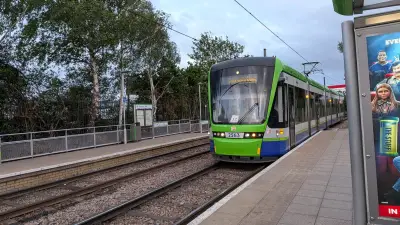
However, Londoners have long enjoyed some of the lowest bus fares in the country—and Mayor Sadiq Khan is preparing to roll out further savings with the launch of his Weekend Hopper fare this Saturday, July 25. The fare will extend the £1.75 one-hour hop-on-hop-off rate for the entire day, meaning that anyone using buses and trams on Saturdays and Sundays until the end of August will only pay one fare for unlimited journeys that day.
The usual Hopper fare, which runs throughout the week and allows unlimited journeys within an hour of the first journey on a bus or tram, will continue to operate both during the summer weekend offer and afterwards. In addition to this, fares on buses and trams across London have been frozen until November 1 2026, keeping the £1.75 price stable since March 2023. Children, teens, and those aged 16-18 can travel for free on London buses and trams with a Zip Oyster photocard, and all children under 16 can travel for free on buses across the country as part of the Government's Great British Summer Savings scheme.
The Mayor of London, Sadiq Khan, said: “As I know how expensive the summer holidays can be for families, my new Weekend Hopper will make it cheaper and easier for Londoners and visitors to enjoy all that our great city has to offer.” He added: “During 10 years as Mayor, I’ve been committed to keeping public transport as affordable as possible – including a record seven freezes on bus and tram fares, which I recently extended until November to further support Londoners with the cost-of-living crisis. Buses and trams are a lifeline for many Londoners, and I’m determined to keep them the most accessible and affordable mode of transport in the capital.” He continued: “I’m pleased that my Hopper fare has enabled millions of people to enjoy cheaper bus travel over the past decade, and this new Weekend Hopper will help open up our great city even more, as we continue building a fairer and better London for everyone.”
Why London Bus Fares Are Cheaper
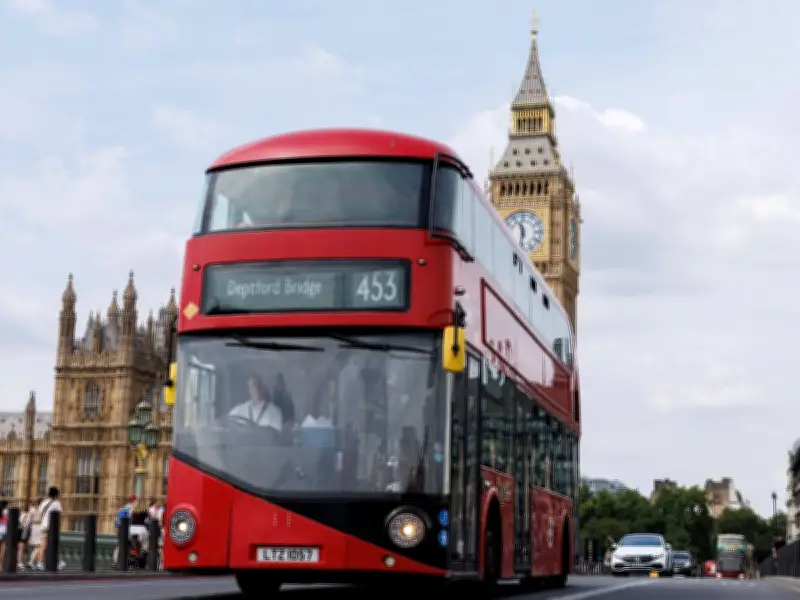
One of the main reasons for London's cheaper fares is that TfL operates buses differently from the rest of the UK. Back in 1984 under Margaret Thatcher's government, bus services across the UK were completely deregulated, meaning any company could start operating buses along any route, even if there were already buses serving them. However, following trials in smaller towns, concerns were raised that a similar system would not work in a city as large and dense as London where roads could more easily become congested. Because of this, London was spared from mass deregulation under the Transport Act 1985. As a result, while London's buses are still ultimately operated by private companies, this is via a series of contracts tendered out centrally by Transport for London to ensure services remain regulated.
Today, bus journeys in London are heavily subsidised by TfL. A recent report in the Evening Standard found that subsidising London Buses costs up to £1.2 billion every year. To cover these costs, money is raised via various means including Tube fares, which typically make a 'profit' that can be reinvested in bus travel, keeping costs down for bus passengers.