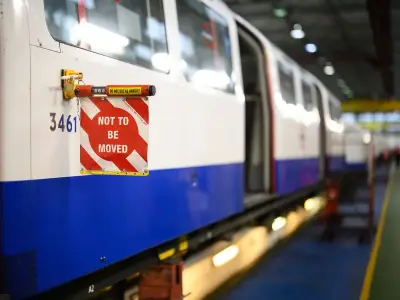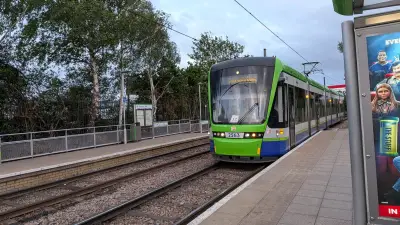
The first of 54 new Docklands Light Railway (DLR) trains re-entered passenger service on Monday, September 7, 2026, marking the end of an 11-month withdrawal caused by a braking fault. The fleet's initial rollout began in October 2025 but was suspended on November 12, 2025, when a train failed to stop in the correct position at Canning Town station during rainy weather.
Braking system upgrades and testing
Transport for London (TfL) said it has conducted vigorous testing since the fault occurred to ensure the issue does not recur. The braking systems have been improved, and additional work has been carried out to enhance performance during wet weather conditions.
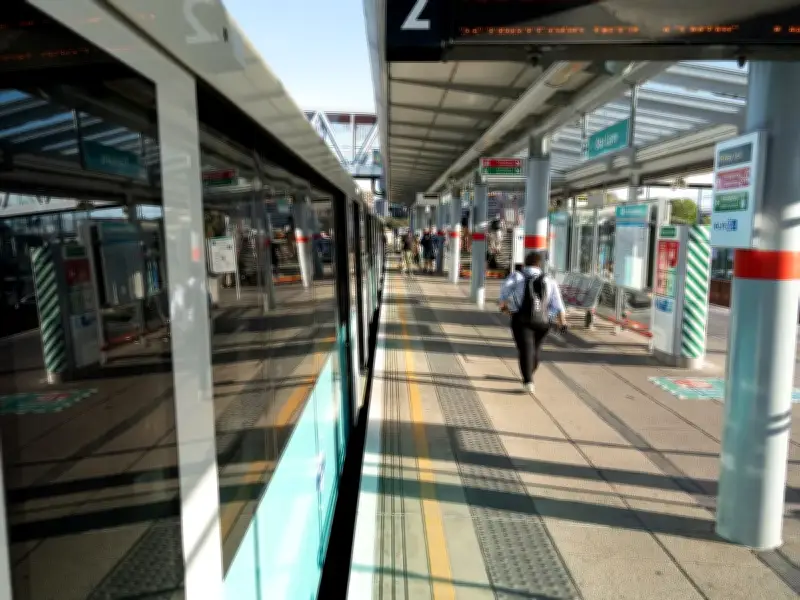
The phased reintroduction of the fleet began on the Stratford International to Woolwich Arsenal route and will gradually expand to the rest of the DLR network. TfL confirmed that the first trains are now operating on this initial route.
Features and capacity boost
The new trains feature walk-through carriages, air conditioning, live travel information, and dedicated wheelchair spaces. According to TfL, these improvements will increase capacity on the line by 10 per cent, supporting further growth in Stratford, Woolwich, and the Isle of Dogs.
Stuart Harvey, TfL's Chief Capital Officer, said: "We're pleased that the first of our new DLR trains has returned to customer service following the completion of a thorough programme of modifications, testing and assurance."
Harvey added: "Safety is always our top priority, and we took the decision to remove the trains from service as a precaution while we worked with CAF to investigate the issue and implement a solution."
Official reactions and next steps
Harvey apologised for the delay in reintroducing the trains but said the milestone delivers a modern new fleet for the DLR. He noted that customers will benefit from more spacious and accessible journeys as the phased reintroduction continues, with performance being monitored and further trains introduced into service.
Mayor of London Sadiq Khan described the day as "exciting" for east and south London. He said the new trains will "transform travel for millions of Londoners, significantly improving comfort, accessibility and reliability." Khan highlighted that the additional capacity will support growth in the Royal Docks and the Isle of Dogs, where the DLR is the most-used mode of transport, supporting new jobs and homes.
The mayor reaffirmed his commitment to modernising London's transport infrastructure to deliver quicker, greener, and safer journeys accessible to all. TfL will continue to monitor the fleet's performance as more trains are introduced across the network.