Plans to overhaul London's bus network could see an iconic route, immortalised in a song by rock legends Dire Straits, significantly altered. Transport for London (TfL) has launched a consultation proposing major changes to several central London services, including the famous number 19.
Proposed Changes to Key Central London Routes
The most notable proposal affects the double-decker bus route 19, which currently runs from Finsbury Park to Battersea Bridge. This service, which carries millions of passengers annually, was famously mentioned in Dire Straits' 1978 track 'Wild West End'. Under the new plans, route 19 would be diverted to terminate at Victoria station instead of continuing to Battersea.
Meanwhile, the busy route 38, running from Clapton Pond to Victoria, is set for a reduction in both length and frequency. TfL plans to shorten its journey to end at Holborn. The service intervals would be stretched, with Saturday frequencies dropping from every 6 minutes to every 10 minutes. On Sundays, and during early mornings and evenings, buses would run every 12 minutes instead of every 8.
However, it's not all cuts. Route 19 would see a slight frequency improvement on Sunday early mornings, increasing from every 15 minutes to every 12 minutes. Furthermore, TfL intends to introduce a brand new route, the number 10. This service would connect Battersea Park and Dalston, running every 10 minutes on weekday and Saturday daytimes, and every 12 minutes on Sundays and evenings.
Further Cuts in North and West London
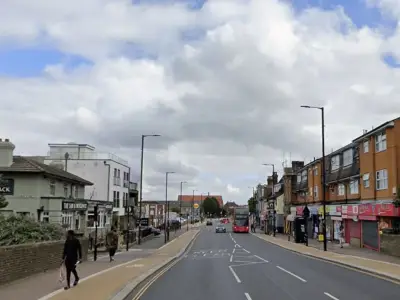
The proposed changes extend beyond the city centre. In north London, TfL is considering the complete closure of route 349 between Ponders End and Stamford Hill. This route, which facilitated around 4.2 million journeys per year, is deemed to overlap too much with other services.
In west London, the 424 service between Putney High Street and Fulham would be partially replaced by a new route, the 454, running between Putney Bridge station and Fulham. The frequency on this replacement route would be reduced from every 30 minutes to every 45 minutes.
Impact on Passengers and Campaigner Concerns
TfL acknowledges that the changes will negatively affect some passengers. An estimated 356 daily trips on route 19 between Knightsbridge, King's Road, and north of Angel would be disrupted. For route 38, the impact is greater, with 1,007 daily journeys between Victoria and Clapton Pond facing alteration. The plans would also force some visitors to Great Ormond Street Hospital and the Royal London Hospital for Integrated Medicine to change buses.
Disability and accessibility campaigners have voiced significant concerns. Emma Vogelmann, CEO of Transport for All, warned that service reductions hit disabled and elderly passengers hardest. "These proposals will mean longer waits and less certainty, making buses less usable for disabled people," she stated.
London TravelWatch, the capital's passenger watchdog, emphasised that while network reviews are necessary, TfL must minimise the need for passengers to change buses, especially at night. They urged the transport body to ensure passenger needs are prioritised.
A TfL spokesperson said: "The proposed changes would improve reliability of both routes and better match current demand capacity." They encouraged the public to respond to the ongoing consultation, which will inform the final decisions. The consultation for routes 19 and 38 remains open, with TfL stressing that feedback is "hugely important."