TSA Crisis Deepens as Shutdown Breaks Record, Travel Chaos Mounts
The partial government shutdown of the Department of Homeland Security (DHS) has now become the longest in U.S. history, surpassing a previous 43-day impasse. This unprecedented situation has plunged the Transportation Security Administration (TSA) into chaos, with hundreds of agents quitting or working without pay, leading to severe disruptions at major airports across the country.
Airport Delays and Employee Exodus
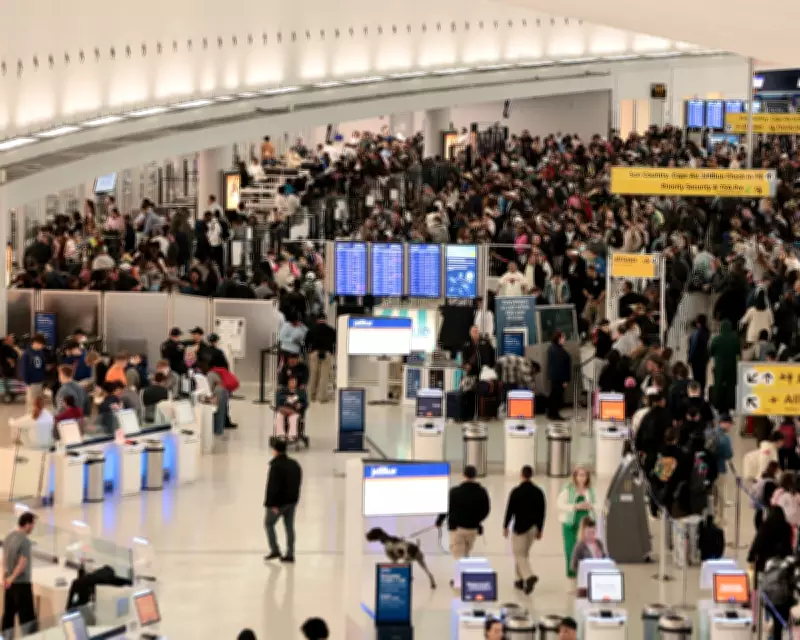
On Friday, more TSA workers failed to report for duty than on any other day during the shutdown, exacerbating long security lines and causing misery for travelers. Airports in key hubs like Baltimore, Houston, and New York City have warned passengers to arrive hours early due to unpredictable wait times, with some locations experiencing queues lasting several hours, particularly in the mornings.
According to DHS spokesperson Lauren Bis, over 3,560 TSA employees, representing more than 12% of the agency's workforce, called out. She noted that more than 500 officers have quit, and thousands are absent because they cannot afford basic necessities such as gas, childcare, food, or rent. Since the shutdown began, more than 480 TSA workers have left the agency entirely.
Political Deadlock and Funding Battles
The shutdown has turned DHS, the fourth-largest agency in the U.S. government with 193,867 employees, into a political football. Congress and former President Donald Trump have made multiple attempts to direct funds to DHS or directly to TSA, but all efforts have stalled over disagreements regarding changes to Immigration and Customs Enforcement (ICE) operations.
In a late Friday move, Trump signed a memorandum ordering DHS to restore pay to TSA employees, who have missed two paychecks. However, the legality and funding source for this directive remain unclear. The memo instructed DHS Secretary Markwayne Mullin to allocate funds with a "reasonable and logical nexus to TSA operations" to cover accrued pay and benefits.
Legislative Gridlock and Public Outcry
Lawmakers in the House rejected a Senate-passed bill that would fund much of DHS, including the Federal Emergency Management Agency and the U.S. Coast Guard, but excluded ICE and border patrol. This rejection has opened a fissure between Republicans in the upper and lower chambers.
House Speaker Mike Johnson criticized the Senate bill as a "gambit," while House Majority Leader Steve Scalise expressed concerns that it defunded 25% of DHS operations at a time of heightened threat levels. Scalise emphasized the House's desire to fully fund DHS, proposing a short-term solution to ensure employees get paid.
Everett Kelley, president of the American Federation of Government Employees (AFGE), voiced strong disgust at the political failure, noting that Congress left for spring break without resolving the crisis. He called on lawmakers to return to Washington, honor their oaths, and do their jobs to support struggling families.
Industry Appeals and Future Uncertainties
Airline leaders and airport executives have urgently appealed to Congress to act on bipartisan proposals to end the dysfunction. The Modern Skies Coalition issued a joint statement urging legislative action, while Chris Sununu, a former New Hampshire governor, highlighted three viable bills that could prevent further chaos.
Eric Chaffee, a law professor at Case Western Reserve University, warned that the polarized political environment may hinder long-term solutions, emphasizing that any bill will need significant public support to gain momentum.
As the shutdown extends, the TSA crisis underscores broader issues in government funding and employee welfare, with travel disruptions likely to persist until a resolution is reached.