Heathrow Airport Sees Flight Cancellations as Middle East Conflict Escalates
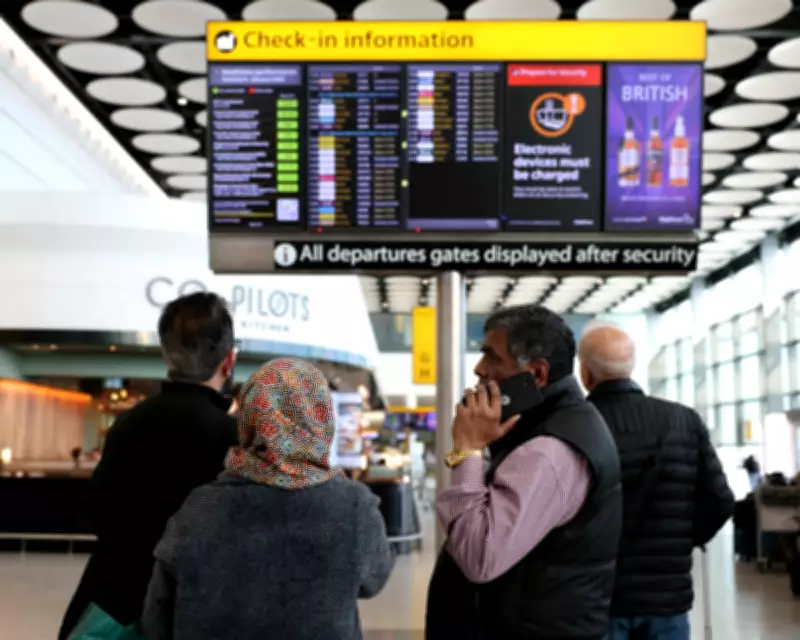
Travellers at Heathrow Airport's Terminal 4 were met with disruption on 2 March 2026, as departure boards displayed numerous cancelled flights to Middle Eastern countries. This chaos unfolded amid the ongoing US-Israel conflict with Iran, raising immediate concerns for summer travel across Europe. Photographs captured by Isabel Infantes for Reuters show passengers anxiously checking updates, highlighting the real-time impact of geopolitical tensions on air travel.
Fuel Shortage Threats and Border Delays Compound Travel Woes
The war in the Middle East has triggered severe supply chain issues, particularly for jet fuel, with the Strait of Hormuz effectively closed since late February. Airports Council International Europe has warned that without a stable supply resuming within three weeks, shortages are inevitable, potentially leading to widespread flight cancellations from May onwards. Simultaneously, the European Union's new Entry-Exit System is causing prolonged border checks, resulting in long queues at passport control and missed flights for some travellers.
Oil prices have surged dramatically, peaking at $119 per barrel in March from a pre-war level of $72, though they dropped to $89 after Iran announced a temporary ceasefire in Lebanon. This volatility underscores the fragile nature of global fuel markets and their direct effect on aviation.
Understanding Your Rights When Flights Are Cancelled
If your flight is cancelled, key protections exist for passengers. For flights departing from or arriving at UK or EU airports on European airlines, you are entitled to a refund or an alternative flight. Cancellations within two weeks of departure may also qualify for compensation, based on travel distance. Airlines must provide meals, transport, and accommodation if you are stranded.
- For package holidays, operators are responsible for offering an alternative or full refund under the Package and Linked Travel Arrangements.
- Independent bookers face weaker protections, with no automatic refunds for hotels or other expenses, though travel insurance may cover some costs.
- Credit card purchases over £100 offer additional safeguards under Section 75 of the Consumer Credit Act.
Consumer experts like Jane Hawkes advise adopting a "belt and braces approach": book package holidays with credit cards and secure comprehensive travel insurance to mitigate risks.
Strategies for Navigating Summer Travel Uncertainty
With potential disruptions looming, travellers are urged to consider several factors. Booking with larger, financially stable airlines may offer more reliability, as they often have fuel hedging strategies. Opting for major hub airports like Heathrow or Barcelona could provide better alternatives if cancellations occur, due to multiple fuel sources and flight options.
- Monitor fuel supply updates and border check times, especially in Europe where delays have reached up to three hours.
- Review airline terms and travel insurance policies carefully to understand coverage limits.
- Consider flexible booking options, though these may come at a premium.
As Rory Boland of Which? Travel notes, "The package travel regulations are the strongest protection that holidays have," emphasizing the importance of informed planning in uncertain times.