Heathrow Airport Celebrates 80 Years of Aviation Excellence
Heathrow Airport is marking a significant milestone this month, celebrating 80 years since it first welcomed passengers in March 1946. Originally opened as 'London Airport' after two years of construction, Heathrow has evolved from a modest post-war facility into Europe's most reliable and punctual aviation hub, handling 84.5 million passengers in its busiest year to date, 2025.
From Humble Beginnings to Global Hub
In its inaugural year, Heathrow served 63,000 passengers, a stark contrast to today's volumes. The airport's early terminals were ex-military marquees, forming a tented village with floral-patterned armchairs and vases of fresh flowers. However, these temporary structures lacked heating in winter and required wooden duckboards to protect passengers from muddy airfields. The first flight was a converted Lancaster bomber named Starlight, which flew to Buenos Aires, Argentina, symbolizing the dawn of a new era in air travel.
Iconic Moments in Heathrow's History
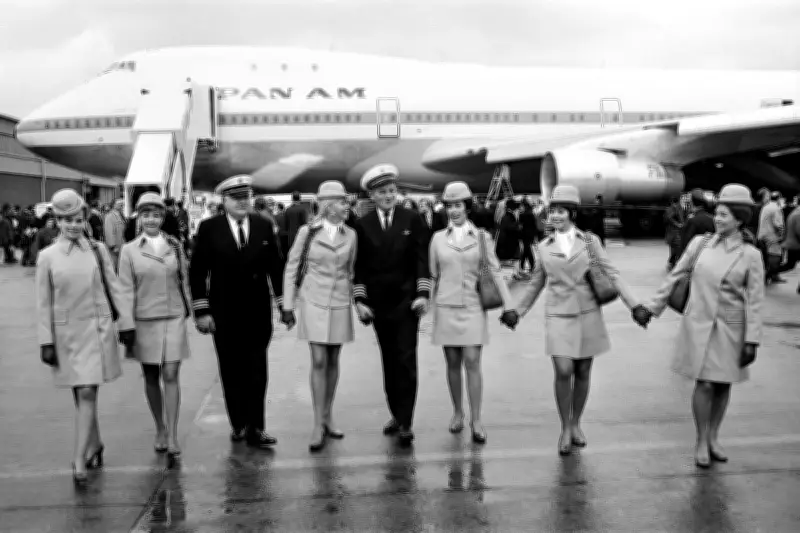
Over eight decades, Heathrow has been the backdrop for numerous historic events. In 1952, Queen Elizabeth II returned home via Heathrow to mourn her father's death, becoming the first monarch in over 200 years to accede to the throne abroad. The Beatles' 1964 return from their groundbreaking US tour sparked a British music invasion, with thousands of fans mobbing the airport. Technological milestones include the arrival of the Boeing 747 Jumbo in 1970 and the launch of Concorde commercial flights in 1976, revolutionizing air travel with faster speeds and luxury experiences.
Royal and Cultural Significance
Heathrow has hosted key royal moments, such as Prince Charles and Princess Diana opening Terminal 4 in 1986, a event that humanized the monarchy amid media scrutiny. In 2008, Queen Elizabeth II inaugurated Terminal 5, praising it as a '21st-century gateway to Britain.' Culturally, Heathrow featured in the film Love Actually, with scenes shot in Terminal 3 capturing heartfelt reunions that resonated globally.
Modern Developments and Future Plans
Recent decades have seen Heathrow adapt to changing times. The Heathrow Express rail link, opened by Prime Minister Tony Blair in 1998, enhanced connectivity with a 15-minute journey to central London. In 2013, British Airways introduced the Airbus A380, the world's largest aircraft, solidifying Heathrow's role as a key hub. Despite challenges like the 2020 Coronavirus pandemic, which halted non-essential travel, passenger demand rebounded by 2024. Looking ahead, work has begun on a planning application for a third runway, supported by government approval in 2025, which could unlock £79 billion in passenger savings and boost UK competitiveness.
Reflections on Heathrow's Legacy
Ross Baker, Heathrow's chief customer officer, emphasized the airport's impact, stating, 'Over the last 80 years, Heathrow has been the backdrop to some of Britain's most memorable moments.' From sporting triumphs like England Rugby's 2003 World Cup victory to economic contributions through UK exports, Heathrow remains integral to British culture and the economy. As it celebrates this anniversary, the airport continues to focus on delivering exceptional service for future generations.