Croydon Airport: London's Pioneering International Terminal and Its Current Purpose
While Heathrow Airport now dominates as Britain's busiest aviation hub, the nation's primary international gateway was once situated in South London. Croydon Airport, which vanished from active service, holds the distinction of being London's inaugural international terminal. Operating from 1915 to 1959, it underwent eight name changes but consistently served multiple critical roles in aviation history.
The Legacy and Historical Significance of Croydon Airport
The airport's impact was profound, functioning as a training base for the Royal Flying Corps and later the Royal Air Force. It pioneered Air Traffic Control operations and served as the headquarters for Britain's first national carrier, Imperial Airways. Esteemed travellers, including wealthy individuals, celebrities, and royalty, such as the then-Prince of Wales, frequently departed from Croydon Airport, adding to its glamorous reputation.
Modern Transformation and Visitor Access
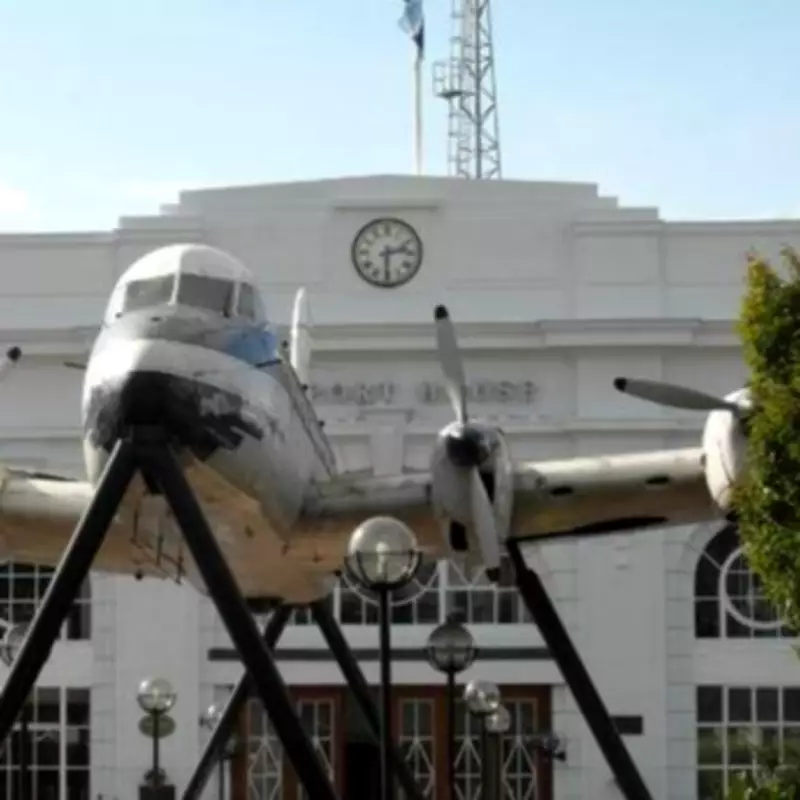
Today, the combined airport terminal and control tower structure has been meticulously refurbished and now operates as a museum located on Purley Way. Visitors can explore this historic site on the first Sunday of each month, offering a glimpse into the airport's storied past. The museum showcases photographs and artifacts that highlight various chapters of Croydon's disappeared airport, serving as a poignant reminder of its remarkable significance in connecting London to the world.
Key historical moments include American aviator Charles Lindbergh's arrival in 1927, drawing a crowd of around one hundred thousand people, and English aviator Amy Johnson's record-breaking solo flight from Cape Town to London in 1936. The airport also featured revolutionary radio transmission rooms and the world's first control tower, cementing its place in aviation innovation.