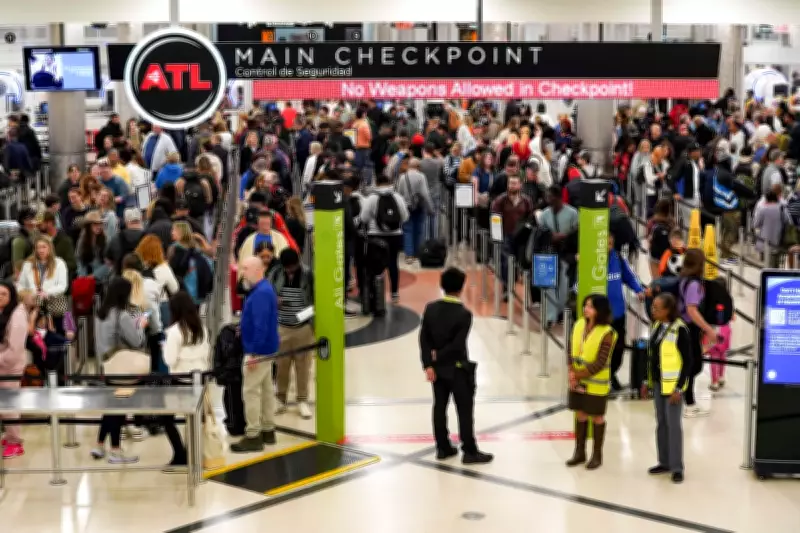
Congressional Funding Deadlock Puts Airport Security at Risk
A severe funding impasse in Congress is threatening to undermine airport security operations across the United States, with the Department of Homeland Security (DHS) warning of potential consequences for travelers. The stalemate, which has left critical budgets in limbo, could lead to increased wait times at security checkpoints and staffing shortages, raising concerns about both efficiency and safety in the aviation sector.
Implications for Travelers and Security Personnel
If the funding issue remains unresolved, airports may face significant operational challenges. Reduced resources could force security agencies to cut back on personnel, leading to longer lines and delays for passengers. This situation highlights the broader impact of political gridlock on essential public services, where budgetary disputes directly affect day-to-day functions.
Experts emphasize that consistent funding is crucial for maintaining robust security measures, especially in high-traffic environments like airports. Without adequate financial support, agencies might struggle to implement necessary upgrades or respond effectively to emerging threats, potentially compromising national security standards.
Broader Context and Stakeholder Reactions
The funding debate reflects ongoing tensions in Congress over budget allocations, with DHS officials urging lawmakers to prioritize aviation security. Stakeholders, including airport authorities and travel industry representatives, have expressed alarm over the potential disruptions. Delays in funding approvals could hinder long-term planning and investment in security infrastructure, affecting everything from technology upgrades to training programs for staff.
In response, some policymakers are calling for bipartisan cooperation to address the funding gap promptly. They argue that ensuring stable resources for DHS is essential not only for security but also for economic stability, as travel and tourism rely heavily on efficient airport operations. The outcome of this congressional debate will likely set a precedent for how future budgetary issues are handled in relation to critical infrastructure.
Looking Ahead: Potential Solutions and Challenges
As discussions continue, potential solutions include temporary funding measures or revised budget proposals to bridge the gap. However, challenges remain, such as aligning differing political priorities and ensuring that any agreements provide sustainable support for security agencies. The situation underscores the need for proactive financial planning to prevent similar crises in the future, with lessons applicable to other sectors dependent on government funding.
Ultimately, the resolution of this funding impasse will have far-reaching effects, influencing not only airport security but also public confidence in travel safety. Travelers are advised to stay informed about potential changes, as developments in Congress could lead to adjustments in security procedures or wait times at airports nationwide.