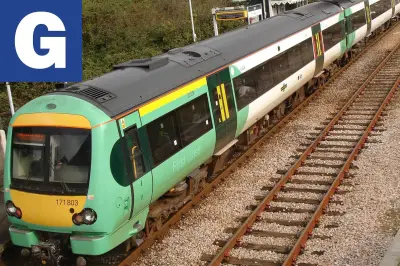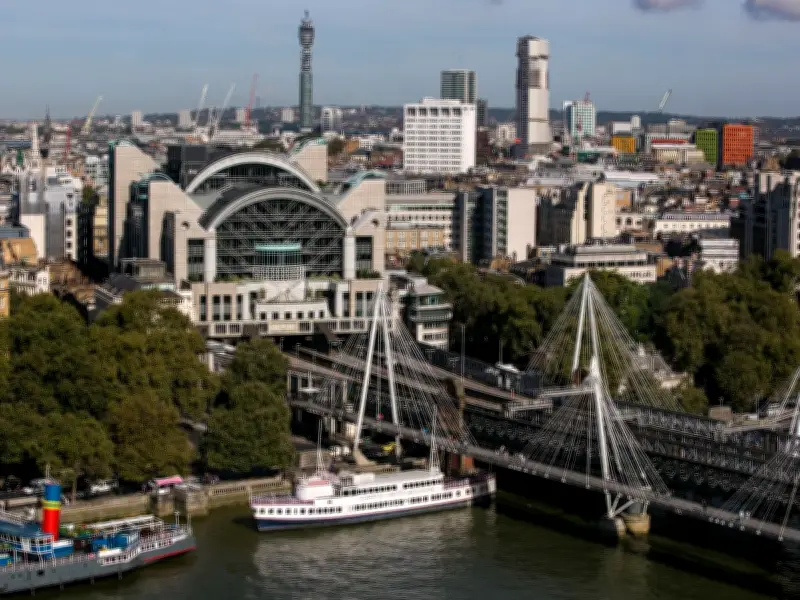
Charing Cross and Waterloo East stations will close for more than three weeks this summer, from Sunday July 26 to Sunday August 16, for major engineering works. Around 55,000 people use Charing Cross national rail station daily, and the closure will cause widespread disruption as trains are diverted away from both terminals.
Route diversions and longer journeys
Southeastern services that usually run into Charing Cross and Waterloo East will be diverted to London Victoria, London Cannon Street, and London Blackfriars, with some trains terminating at London Bridge. Network Rail says ticket acceptance will be available across other rail routes, the London Underground, and buses. Passengers have been warned their journeys could take longer.
Track replacement and other works
Engineers will replace 1,800 metres of track that has been in place since the early 1990s. This Central London stretch is becoming increasingly unreliable and requires extensive maintenance. In recent years, faults on the approach to Charing Cross have caused hundreds of hours of delays. While track replacement is the priority, engineers will also carry out repairs to Hungerford Bridge and improve drainage at Waterloo East.
Why a 22-day closure?
Southeastern opted for the 22-day closure over summer as a cheaper and less disruptive alternative to a series of bank holiday closures. Commuter numbers during the school summer holidays will also be lower, meaning the closure should affect fewer people.
Full closure dates
No trains will call at Charing Cross or Waterloo East on the following dates: Saturday July 18 and Sunday July 19; Sunday July 26 to Sunday August 16; Saturday August 22 and Sunday August 23; Saturday October 10 and Sunday October 11.
How each route will be affected
Hayes line: Trains to and from Hayes via Lewisham will run to and from London Bridge. Other trains will be diverted to and from London Blackfriars and call additionally at Lewisham and Elephant & Castle.
Grove Park line: Services that usually run between Charing Cross and Orpington or Sevenoaks will instead start and terminate at London Bridge. Some trains will be diverted to run via Lewisham. Cannon Street trains to and from Orpington will continue, but a small number of additional peak-time trains will not operate.
Bromley South line: Victoria to Orpington trains will run every 30 minutes instead of every 15 minutes. Peak-time trains between Blackfriars and Beckenham Junction will continue to operate, but at revised times.
Maidstone East line: Trains that normally run to and from Charing Cross will operate to and from London Victoria instead, calling additionally at Bromley South. Other Victoria trains on the route will continue to run, but at different times.
Hastings line: Trains to and from Hastings will run between London Bridge and Hastings, with some peak hour trains running to and from London Cannon Street. Trains that usually start or end at Tunbridge Wells will be diverted to run to and from London Victoria, calling additionally at Bromley South.
Paddock Wood line: Trains will run between London Bridge and Dover Priory and Ramsgate via Ashford International, with some peak hour trains running to and from London Cannon Street.
Bexleyheath line: Trains will continue to run between Cannon Street and Barnehurst, and between Victoria and Gravesend, with some changes to timings. Additionally, Cannon Street trains will run in the morning peak.
Sidcup line: Trains that usually start or end at Gravesend will run to and from London Bridge and call additionally at Lewisham. Trains that start and terminate at Dartford will not run; additional services will operate in the off-peak between Dartford and Cannon Street via Sidcup (these do not call at Lewisham).
Woolwich line: Trains on the Woolwich line will continue to run into London Cannon Street, with some running at revised times, particularly during the morning peak. A small number of peak-time trains will be retimed, cancelled, or diverted via Blackheath instead of Greenwich.
Investment for reliability
Scott Brightwell, director of operations and safety at Southeastern, said: “The £20 million investment we are delivering will see 1990s track and platforms upgraded to make journeys safer and more reliable, and Victorian-era structures strengthened to remain fit for the future. Services will run very differently during the closure, with changes to routes, frequencies and train times across the network. We’re asking customers to plan ahead, check before they travel, and make sure they know their last train home.”