Five of Europe’s Best Accessible Island Escapes
From the Venetian lagoon to the sparkling Mediterranean, these island getaways provide a refreshing change of pace just a short journey from the mainland. Each destination offers unique landscapes, cultural experiences, and opportunities for relaxation, making them perfect for travelers seeking accessible and memorable escapes.
Sylt, Germany
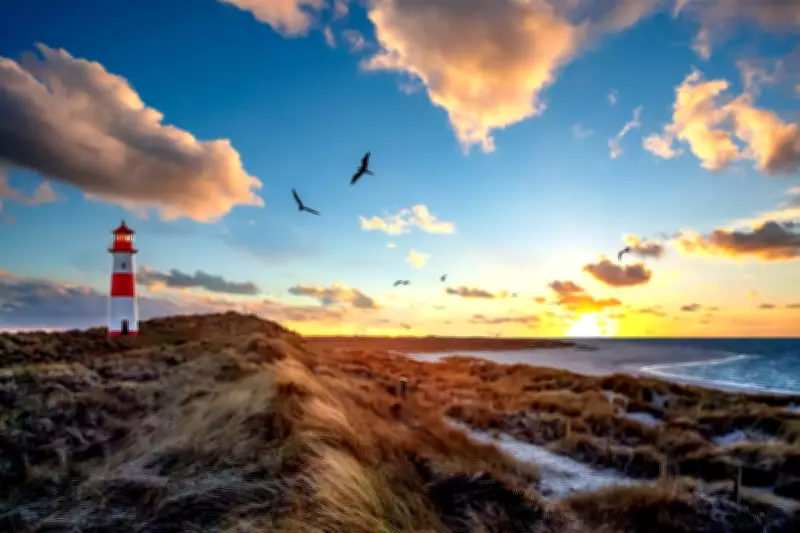
Connected to the German mainland by a single rail causeway, Sylt is the largest of the North Frisian islands, located just over three hours from Hamburg by direct train. The island slices through the North Sea and the Wadden Sea, featuring salt marshes and mudflats to the east, while 25 miles of pristine white sands sweep along the western coast, with grassy dunes buffering the bracing winds.
Although relatively unknown to UK visitors, Sylt has long been a popular destination for Germans, attracting an affluent crowd, though not exclusively. Luxury hotels and pioneering health resorts coexist with multistorey apartment blocks, modest campsites, and laid-back surfing schools.
Trains from Hamburg, soon to be upgraded with the new intercity (ICE L) fleet, arrive in Westerland, the largest town on the island, which expanded significantly during the 1960s and 1970s. Alternative bases include the well-heeled Kampen or Keitum, the latter known for its maritime history and traditional thatched houses. Designated nature reserves cover other parts of the island, from the shifting dunes in List to the vast Braderup Heath, partly managed by a hardy breed of sheep.
For dining, grab a coffee from Kaffeerösterei Sylt, order the herring sandwich from Hafenkiosk 24, and don’t miss the salty Sylter Royal oysters from Germany’s only commercial oyster farm. The restaurant Oma Wilma focuses on hearty fare, while the shop and bistro Käseklub, located on an old goat farm, serves a curated selection of cheeses.
Where to stay: Villa Klasen is a recently renovated boutique hotel in a charming art-nouveau style building with doubles from €120 B&B.
Sherkin, Ireland
It takes an hour and three-quarters by car, plus another 10 minutes by ferry, to get from Cork city to the relative tranquillity of Sherkin, one of the seven inhabited islands off the coast of West Cork. None of these islands is especially large, but they are all remarkably different, from sheltered little Garinish with its fine Edwardian gardens to the ruggedness of Dursey, exposed to the elements at the tip of the Beara peninsula.
Sherkin is known for its simple but appealing retreats, such as Sherkin North Shore, where visitors can enjoy sailing courses on Roaringwater Bay and communal dinners. The island features three marked walking trails through lush interiors to white-sand beaches and a stunning horseshoe-shaped cove. The Jolly Roger pub serves chowder and toasties, hosting music sessions in busier months, while artists’ studios dot the island.
The buzzy mainland town of Baltimore serves as the gateway to Sherkin and Cape Clear farther south. For Heir or Hare Island, drive to Cunnamore Pier and hop across on the ferry, rewarded in summer by the brilliant restaurant and cookery school Island Cottage.
Where to stay: Sherkin North Shore has rooms from €65 a night per adult, €30 for under-13s, and camping from €80 for a bell tent, €15 for a pitch.
Torcello, Italy
After exploring Venice’s attractions, many visitors seek an escape from the crowded streets and canals. While Murano and Burano are popular short trips, Torcello offers a real change of pace at the northern end of the Venetian lagoon. Disembarking, you’ll notice the sense of space, with a wide path leading through green fields and quaint houses to the Ponte del Diavolo, a rare old Venetian bridge without parapets.
Stop at Taverna Tipica Veneziana for fried seafood and vegetarian meals, with views of goats and guinea pigs in the garden. The main attraction is the Basilica of Santa Maria Assunta, founded in 639, featuring stunning 11th-century mosaics, including a depiction of the last judgment. Finish with an ice-cream by the water’s edge before retracing your steps or staying overnight to enjoy the peace after day trippers leave.
Where to stay: Junior Suites Venezia has a restaurant, coffee shop, garden, and doubles from £183 for a two-night stay.
Frioul Islands, France
Just 20 minutes by boat from Marseille’s Vieux Port, the Frioul islands, part of the protected Calanques national park, make an excellent day trip or longer stay to enjoy wild beauty. The two main islands, Rattoneau and Pomègues, each about 1.5 miles long, are linked by a 19th-century dyke, with hiking trails winding across white limestone landscapes to secluded swimming coves and viewpoints.
The ferry arrives at Rattoneau, where restaurants, shops, and houses cluster around the harbour. Ou Sinon restaurant is a good choice for fresh seafood, including organic sea bass farmed on Pomègues. Saint-Estève, the biggest beach on Rattoneau, is sheltered and sandy, ideal for snorkeling, with a small bar nearby. Historical sites include the 19th-century Hôpital Caroline and old fortifications.
Other islands in the archipelago include tiny Tiboulen, used for diving, and If island, home to the Château d’If, a fortress turned prison made famous by Alexandre Dumas.
Where to stay: Accommodation is limited mainly to rental apartments near the harbour, such as La Daurade du Frioul, a one-bed apartment right on the beach from £70 a night.
Cíes Islands, Spain
For a Caribbean-like break on a camping budget, the car-free Cíes islands off the Galician city of Vigo offer white-sand beaches, turquoise seas, and exclusivity, as visitor numbers are limited in this national park. Overnight stays are allowed only at Easter and in summer (15 May to 14 September). To reach the islands, visitors must request a free authorisation code up to 90 days in advance and buy a boat ticket.
Daily crossings from Vigo take 45 minutes to Monteagudo island, linked to Faro island by a sandbar across a lagoon. Rodas, the biggest beach, is a short walk from the pier, with kayaks and snorkels for rent, and opportunities to spot octopuses, lobsters, crabs, and bottlenose dolphins. Seven quieter beaches can be discovered along hiking trails that link lighthouses, viewpoints, forests, and a bird observatory.
Restaurante Playa de Rodas specialises in seafood like scallops, razor clams, and Galician barnacles, paired with local albariño wine.
Where to stay: Camping Islas Cíes on Faro island has an excellent restaurant, tents with beds, and pitches from €10.90, plus €10.90 per adult, €7.90 per child, with booking essential.