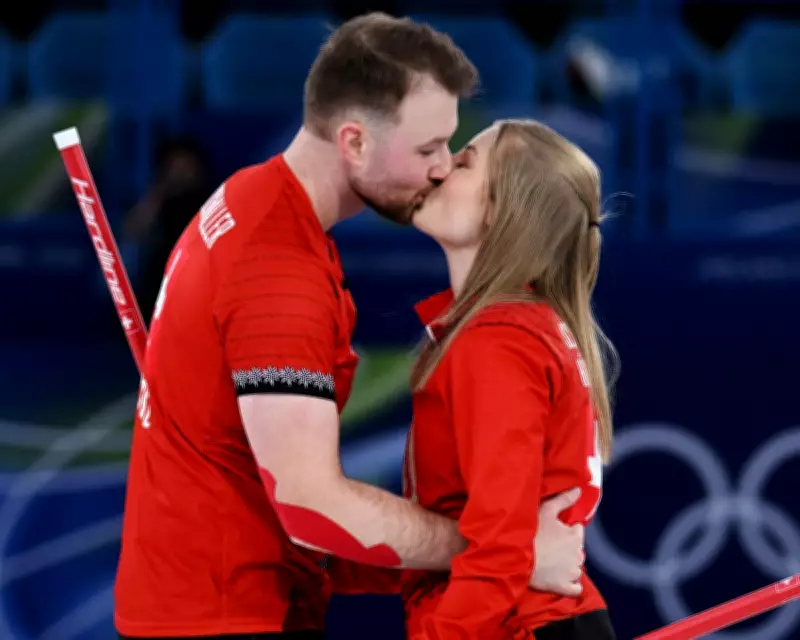
Married Couples Dominate Curling at Cortina Winter Olympics
The curling rink at the Cortina Winter Olympics has transformed into an unexpected arena of romance, with married couples emerging as a dominant force in the competition. This unique dynamic has captivated audiences, blending personal relationships with elite athletic performance in a sport that demands precision, strategy, and teamwork.
A Trend of Togetherness on the Ice
Observers have noted a significant presence of married pairs among the curling teams, a phenomenon that adds a layer of intimacy to the high-stakes environment of the Olympics. These couples bring their shared lives onto the ice, competing side-by-side in a sport where communication and trust are paramount. The synergy between partners often translates into seamless coordination during matches, enhancing their competitive edge.
This trend highlights how curling, with its emphasis on collaboration and finesse, provides an ideal platform for couples to excel together. The sport's strategic nature allows spouses to leverage their deep understanding of each other's strengths and weaknesses, creating a formidable team dynamic that rivals traditional partnerships.
Impact on Performance and Team Dynamics
The inclusion of married couples in curling teams has sparked discussions about its impact on performance. Supporters argue that the emotional bond and mutual trust between spouses can lead to improved teamwork and resilience under pressure. In a sport where split-second decisions and precise execution are crucial, this connection may offer a psychological advantage.
However, critics caution that mixing personal relationships with professional competition could introduce complexities, such as heightened emotional stakes or potential conflicts. Despite this, the success of these couples at Cortina suggests that the benefits often outweigh the challenges, with many pairs delivering standout performances that have propelled their teams into the spotlight.
Broader Implications for Olympic Sports
The prominence of married couples in curling at the Cortina Olympics raises broader questions about the role of personal relationships in elite sports. While other Olympic disciplines occasionally feature spouses competing together, curling has seen a particularly high concentration, making it a case study for how romance and athletics intersect.
This phenomenon may inspire future athletes to consider the potential of partnering with loved ones in sports that value teamwork. It also reflects a shift towards more inclusive and diverse team compositions in the Olympic arena, where personal bonds are celebrated alongside athletic prowess.
As the Cortina Winter Olympics continue, the curling rink remains a focal point for this heartwarming trend, demonstrating that love and competition can coexist harmoniously on the world stage.