From Premiership Coach to Global Viral Sensation
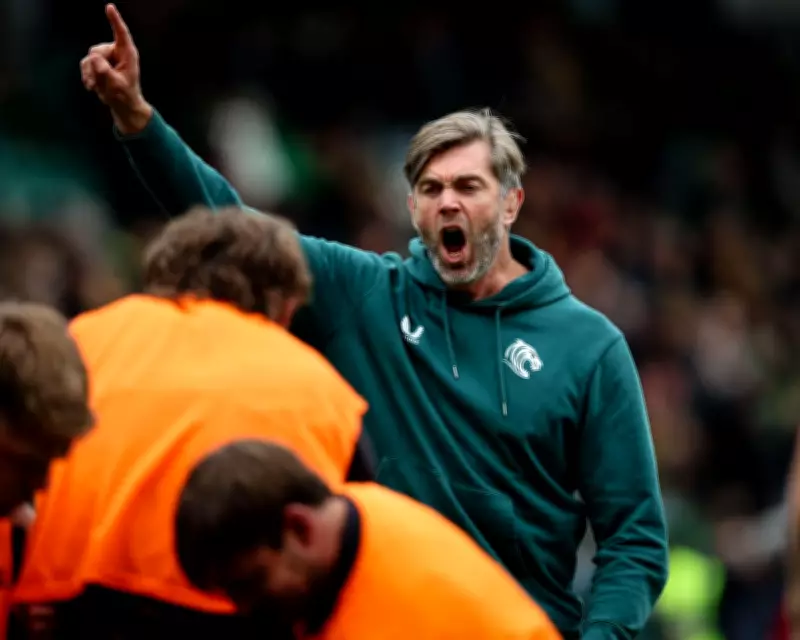
Geoff Parling, once known primarily as a stern-faced Leicester Tigers coach, has unexpectedly transformed into a global social media phenomenon. The catalyst? A heated pre-game television confrontation that has amassed millions of views online and ignited a fundamental debate about rugby's contemporary identity.
The Incident That Broke the Internet
During TNT Sports' coverage before Gloucester's match at Villa Park, presenter Craig Doyle and new colleague Liam MacDevitt were conducting a lighthearted segment on the pitch. As MacDevitt attempted a goal kick as part of his on-screen initiation, Parling abruptly entered the frame, physically pushed Doyle away, and delivered a blunt expletive-laden directive for them to leave. The clip rapidly went viral, surpassing three million views and dominating weekend rugby discussions.
While both parties shared responsibility—coaches shouldn't shove presenters, and broadcasters should respect preparation time—the incident highlighted deeper tensions. Parling's concern about potential player injury from stray balls contrasted with broadcasters' desire for engaging pre-game content.

Symbolic Clash for Rugby's Soul
This confrontation has become emblematic of rugby's ongoing identity struggle. The sport finds itself torn between maintaining its traditional values of humility, integrity, and respect while simultaneously pursuing the entertainment-driven demands of modern broadcasting and social media.
Leicester's subsequent statement encapsulated this contradiction perfectly. Alongside Parling's apology came acknowledgment of broadcasting innovation, stating: "We have a great product in the Prem and I offer my thanks to Craig Doyle and TNT for continuing to innovate and think differently." This reflects rugby's attempt to balance tradition with commercial necessity.
The Entertainment Crossroads
Recent developments amplify this tension. Boxing promoter Eddie Hearn has added Northampton and England back-row Henry Pollock to his Matchroom talent roster, despite minimal rugby knowledge. This move signals potential crossover entertainment opportunities but raises questions about individual versus team sport dynamics.
Pollock's situation illustrates the challenges: while personal branding offers financial opportunities in a short career sport, it risks contradicting rugby's collective ethos. The 21-year-old's bleach-blond haircut and crowd interactions charm some but alienate others, demonstrating the delicate balance between personality and tradition.
Financial Pressures Versus Core Values
Club rugby stands at a critical juncture. Financial strains demand fresh investment and expanded audiences, pushing the sport toward entertainment-focused presentation. Yet rugby's foundational identity as a family-friendly sport emphasizing respect and sportsmanship persists.
The Parling-Doyle incident represents this dichotomy in microcosm. While viral moments generate attention, they risk overshadowing the sport's substantive qualities. As demonstrated by France versus England in the Six Nations finale, rugby possesses inherent gladiatorial drama that may require fewer artificial enhancements.
Ultimately, rugby's future will be determined not by fleeting social media moments but by the quality of its core product. The sport must navigate carefully between embracing modernity's demands and preserving the values that distinguish it in the sporting landscape.