
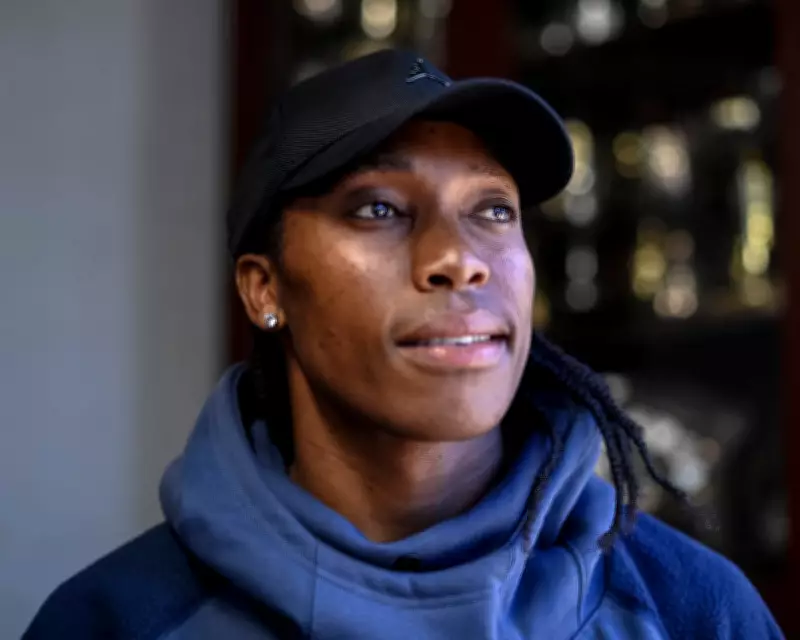
Caster Semenya Denounces Olympic Gender Verification Tests as Disrespectful to Women
South African middle-distance runner Caster Semenya has launched a strong critique against Olympic gender verification tests, labeling them as a profoundly disrespectful practice that targets and humiliates female athletes. In a recent statement, Semenya argued that these tests, which have been a contentious issue in sports for decades, perpetuate harmful stereotypes and violate the privacy and dignity of women competitors.
Historical Context and Personal Impact
Semenya, a two-time Olympic gold medalist in the 800 meters, has personally faced intense scrutiny and mandatory gender testing throughout her career, sparking global debates on fairness, biology, and human rights in athletics. She emphasized that the focus should shift from policing women's bodies to celebrating their achievements and ensuring inclusive policies. The International Olympic Committee (IOC) has historically implemented such tests to regulate competition in women's events, but Semenya contends this approach is outdated and discriminatory.
Calls for Reform in Sports Governance
In her remarks, Semenya urged sports governing bodies, including the IOC and World Athletics, to abolish gender verification procedures and adopt more respectful, science-based frameworks that recognize natural variations in human biology. "These tests do not protect women's sports; they only serve to exclude and stigmatize," she stated, highlighting cases where athletes have faced public shaming and career disruptions due to test results. Advocates for change point to the need for policies that prioritize athlete well-being over invasive scrutiny.
Broader Implications for Women's Athletics
The controversy extends beyond Semenya's experience, touching on broader issues of gender identity, intersex rights, and equity in sports. Critics argue that current testing methods lack consistency and can unfairly target athletes from diverse backgrounds. Semenya's advocacy has galvanized support from human rights organizations and fellow athletes, pushing for a reevaluation of how sports institutions address gender diversity. As the Paris 2026 Olympics approach, this debate remains a pivotal topic, with potential impacts on future regulations and the inclusivity of international competitions.
Ultimately, Semenya's stance underscores a growing movement within athletics to move away from practices that undermine women's autonomy and toward a more compassionate, evidence-driven approach to competition. Her voice adds to a chorus calling for respect and dignity in the pursuit of sporting excellence.