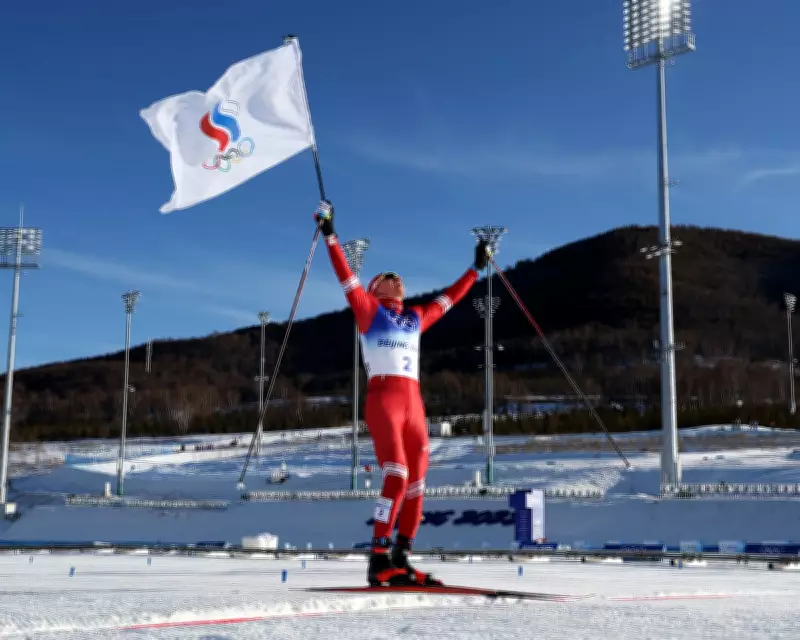
The International Olympic Committee has confirmed that Russia will not be permitted to participate in the 2026 Winter Olympics, upholding a ban that stems from widespread doping violations. This decision extends a period of exclusion that has seen Russian athletes barred from competing under their national flag in several major international sporting events.
Background to the Ban
The ban originated from a state-sponsored doping programme that was uncovered in 2015, leading to sanctions from the World Anti-Doping Agency. Initially, Russia was banned from the 2018 Winter Olympics in PyeongChang, though some athletes were allowed to compete as neutrals. Subsequent violations have resulted in the ban being maintained for events such as the 2020 Tokyo Olympics and the 2022 Beijing Winter Games.
Impact on Russian Athletes
While the national team is banned, individual Russian athletes may still qualify for the 2026 Games under strict conditions. They must compete as neutrals, without national symbols, and demonstrate they have not been involved in doping. This has created a complex situation for athletes who must navigate eligibility criteria while representing their country in name only.
International Reaction
The decision has been met with mixed responses globally. Some nations and sports bodies support the ban as a necessary measure to uphold integrity in sports, arguing it sends a strong message against doping. Others have expressed concern about punishing athletes who may not be directly implicated in the violations, calling for more nuanced approaches.
Future Implications
The ongoing ban raises questions about Russia's future in international sports. If the country fails to address doping issues comprehensively, it could face further exclusions from events beyond 2026. This situation also highlights broader challenges in anti-doping enforcement and the balance between collective punishment and individual athlete rights.
As the 2026 Winter Olympics approach, the focus will remain on whether Russia can implement reforms to regain its standing, or if the ban will become a permanent feature of the sporting landscape.