Croydon Council Approves Controversial Nine-Flat Development Despite 'Ugliest Building' Criticism
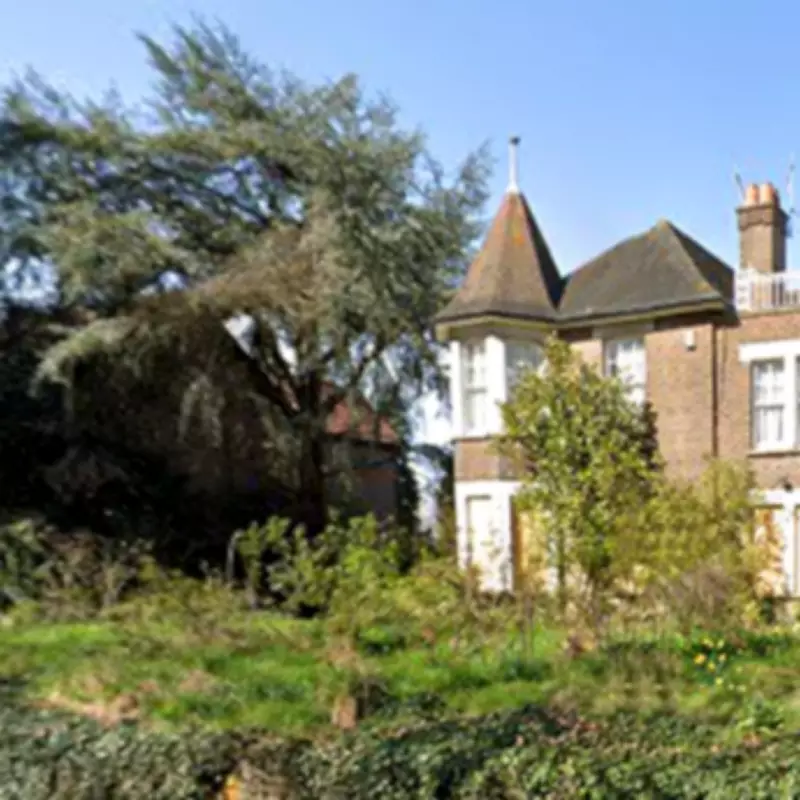
Croydon Council has given the green light to a contentious nine-home development on the outskirts of the town centre, despite several planning committee members describing the proposed building as the "ugliest" they have ever encountered. The approval paves the way for the demolition of a historic Victorian family home at 275 Addiscombe Road, which has stood derelict for several years and was praised by councillors as "totally charming."
Complex Planning History and Design Controversy
The property at 275 Addiscombe Road has been the subject of an extensive and complicated planning history, attracting no fewer than ten planning refusals over the past six years. The latest plans, approved at a planning meeting on February 4, will see nine three-bedroom flats housed in a four-storey building featuring Victorian-style turrets, dark brickwork, and gables.
However, the development's "faux Victorian" appearance drew significant criticism throughout the meeting. Labour councillor for Addiscombe West, Sean Fitzsimons, led the charge, stating: "If you're going to do a Victorian building, do a Victorian building. What we don't want is a modern interpretation of a Victorian building where you reduce the architectural qualities that the Victorians would put in there, with the quality of brickwork, and then somehow make a cheaper version of it."

Strong Criticism from Planning Committee Members
Conservative councillor and planning committee member Mark Johnson went even further, comparing the building to Colditz Castle—the notorious German prisoner-of-war camp—and declaring it "possibly the ugliest building" he has reviewed during his tenure on the committee. These views directly conflicted with the council officer's assessment that the building was "high quality" and "appropriate to its context."
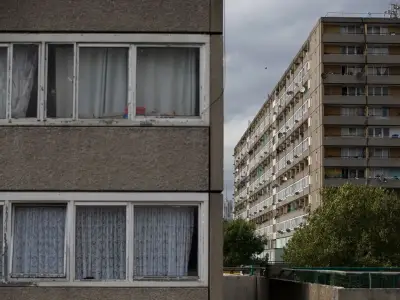
The current Victorian house is surrounded by low-rise residential blocks, creating a stark contrast with the high-rise towers at the western end of the road near Croydon town centre. Concerns were also raised about the design of the large gated entrance to the proposed site, which Fitzsimons described as "overbearing" and "quite intimidating" in the streetscape.
Local Impact and Transportation Concerns
Local Addiscombe East councillor Jeet Bains expressed worries that the scale of the development would cause immediate neighbours to "suffer from loss of daylight." The council has previously rejected planning applications deemed overly dominant and out of keeping with the surrounding townscape. Earlier proposals included larger four-storey developments with basements, which planners said would result in excessively large lightwells and substandard living conditions for future residents.
Transportation emerged as another key concern, as the site sits on a busy TfL red route. To secure approval, developers had to sign a legal agreement contributing £13,500—£1,500 per flat—toward sustainable transport improvements, including cycle lanes and electric vehicle charging points. The Section 106 agreement also prohibits future residents from applying for on-street parking permits. With only three on-site spaces proposed for the nine homes, planners emphasized that these measures are essential to prevent additional pressure on the local transport network.
Contentious Correspondence and Final Approval
Councillors expressed frustration at what they described as "threatening" correspondence from the applicant's agent, Erin Walker, who warned that refusing permission on grounds of appearance, access, or landscaping could lead to costly appeals. Walker's letter referenced previous planning refusals in the borough that were later overturned on appeal, noting that such appeals had previously cost taxpayers thousands of pounds.
Councillor Fitzsimons labeled the applicant's letter as a "disgrace," while fellow committee member Helen Redfern remarked: "What an unfortunate tone from the applicant—the art of respectful persuasion appears to have been lost somewhere along the line." Despite these concerns, the applicant's approach could not be formally considered as part of the decision-making process.

Before the vote, Labour councillor Clive Fraser commented: "I am not sure what we are going to get if we refuse this on appearance. Let them have the courage to build this and let people see what bad design looks like. This may become an exemplar of bad design in Croydon. People could look at it and think that whatever is built next to it will be better."
Committee members ultimately approved the outline plans, agreeing to the scale and appearance of the development as well as the demolition of the existing Victorian house. However, committee chair Councillor Michael Neal insisted that any future reserved matters applications—including details on access, landscaping, and layout—must be brought back before the committee for further consideration.