Reform UK's Pub Tax Pledge: A Clumsy Political Maneuver
In a recent Westminster pub appearance, Nigel Farage unveiled Reform UK's latest policy proposal: a £3 billion tax relief for the hospitality sector, equating to a 5p reduction per pint. The funding mechanism? Reinstating the two-child benefit cap, a move critics argue would push thousands of children back into poverty. HMRC estimates suggest Farage's calculations are off by approximately £10 billion, highlighting a disregard for fiscal accuracy that has become synonymous with Reform UK's brand.
The Political Theater of Pub Culture
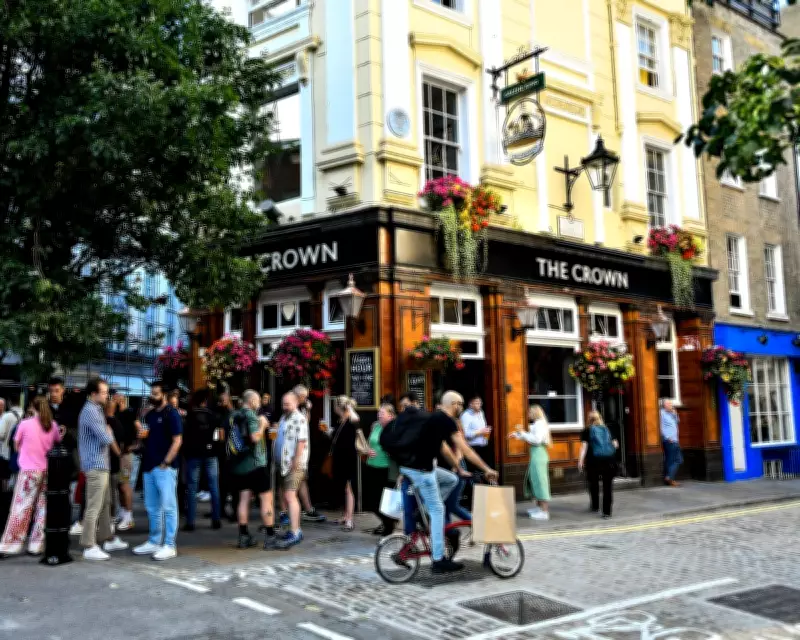
Farage's choice of venue was no accident. Pubs have long been romanticized as bastions of working-class authenticity, a narrative eagerly adopted by right-wing figures. On shows like GB News's Talking Pints and Talk's Grumpy Old Men, panelists sip beer against digital pub backdrops, lamenting everything from Ulez to veganism. This curated aesthetic promotes a narrow vision of pubs as sanctuaries for older white men, free from societal inconveniences like Muslims, families, or sober youth.
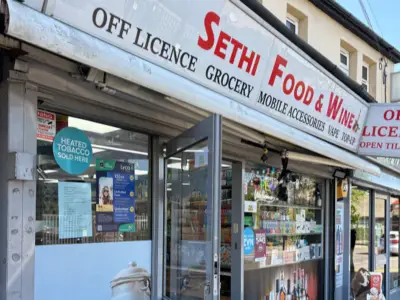
Reform's Lee Anderson reinforces this with his claim that "every pub is a parliament," evoking a stereotype critiqued by Green MP Siân Berry as exclusionary. It's a form of pub cosplay, rooted in an imagined past where dissent is silenced and homogeneity reigns. Yet, this ignores the vibrant diversity of British pub culture: from desi pubs and gastropubs to LGBTQ+ friendly venues with trans pride flags behind the bar.

The Real Crisis Facing British Pubs
While Reform focuses on tax tweaks, the hospitality sector grapples with deeper issues. Pubs are closing at a rate of roughly one per day in 2024-2025, victims of chain consolidation, rising costs, and restrictive licensing laws. The remaining pubs often succumb to homogeneity, stripped of their unique character by corporate ownership. Supermarket alcohol and digital socializing further erode traditional pub patronage, particularly among younger generations.
Labour's response—extending World Cup opening hours and proposing a hospitality support fund—has done little to inspire confidence. The party's reliance on jargon and compromised reputation leaves a void in the debate. Meanwhile, Reform's backers, including the chair of Wetherspoons and Fuller's CEO, cheer on policies that favor neoliberal economics over genuine sectoral support.
Reclaiming the Pub for All
The true beauty of British pubs lies in their adaptability. They are spaces where communities gather, whether for darts, £20 roasts, or political discourse. To reduce them to political props for the hard right is to deny their multifaceted role in society. The battle for pubs isn't just about tax breaks; it's about preserving their essence as inclusive, dynamic venues.
As seasoned pub-goers know, every establishment has its bores. Reform UK's vision, fueled by nostalgic fantasy and flawed economics, risks becoming just that. The future of British hospitality depends on rejecting this narrow narrative and championing the pub's enduring, malleable joy.