Olympic Champions Challenge Brisbane 2032 Rowing Venue Decision
Australian rowing legends Drew Ginn and James Tomkins, both gold medalists from the famous "Oarsome Foursome" crew, have emerged as vocal critics of Queensland's controversial plan to host rowing and canoeing events on Rockhampton's Fitzroy River for the 2032 Brisbane Olympic Games. The decorated athletes, who dominated world rowing throughout the 1990s and 2000s, argue the remote location threatens both competitive fairness and post-Games legacy.
"Elites" Versus Regional Development Debate
Queensland's infrastructure minister and deputy premier, Jarrod Bleijie, has dismissed concerns from the rowing community, labeling critics as "elites" and "agitators" who are "turning up their noses at Rocky from afar." This characterization has sparked significant backlash within Australian rowing circles, where Ginn and Tomkins are regarded as national sporting icons rather than mere complainers.
Gary Merritt, chair of Rowunion Queensland, co-authored an open letter signed by more than 500 members of the Australian rowing community that questions the wisdom of building specialized Olympic infrastructure more than 600 kilometers north of Brisbane. "It's like saying: 'we're going to hold the Melbourne Cup in Birdsville for one year, have all the infrastructure built there and then, for the remaining years, hope that it is going to get used,'" Merritt explains, predicting the venue would become "a white elephant" without sufficient patronage.
Fair Competition Concerns
Ginn, a five-time world champion and triple Olympic gold medalist, emphasizes that Olympic competition demands perfect conditions. "We don't host major events on rivers," Ginn states firmly. "For me, it is baffling to think that you would host the greatest sporting event on the planet and accept something that is inferior." The athlete knows firsthand how fractions of a second can determine Olympic outcomes and subsequent funding for athletes.
Merritt acknowledges the Fitzroy River serves adequately for local training and regattas but insists Olympic competition requires different standards. "This is about the elites," Merritt clarifies. "That is what the Olympics is about. If this was a picnic regatta, if this was another local regatta, [the Fitzroy] would be fine – but we are talking about the elites of world sport, who demand a completely fair playing field."
Legacy Versus Political Positioning
The debate has exposed tensions between sporting expertise and political considerations. While some government representatives have framed opposition as anti-regional sentiment, Merritt's letter explicitly states that discontent "was not about a debate about Brisbane versus regional Queensland." Instead, rowing advocates point to the successful Penrith Regatta Center built for the 2000 Sydney Games as a model for sustainable Olympic legacy.
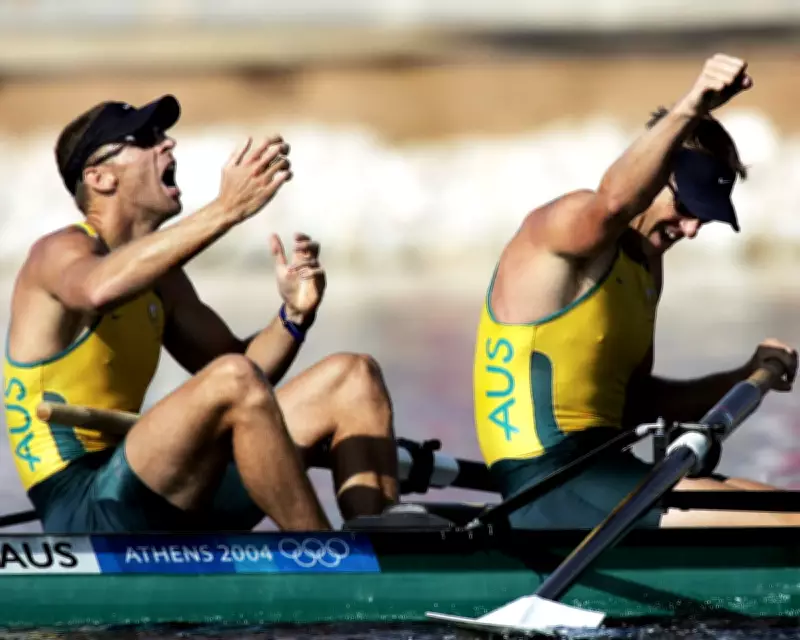
Ginn contrasts the still-thriving Penrith facility with the dilapidated Schinias rowing center in Athens, where he won gold in 2004. Seeing those abandoned facilities was "devastating," Ginn recalls, underscoring his concern about long-term planning. The rowing community has proposed an alternative site at an old quarry in Moreton Bay, just thirty minutes from Brisbane's CBD, which local council has backed with a $250 million proposal.
Crocodile Concerns and Government Response
Government officials have dismissed safety concerns about saltwater crocodiles inhabiting parts of the Fitzroy River, with Premier David Crisafulli quipping that if the river is "good enough for local kids, it is good enough for Pierre from Paris." While there have been no officially recorded crocodile attacks on humans in the Fitzroy, the river sits at the southern limits of "croc country," with local rowers and kayakers using stretches upstream from barriers where large crocodiles are removed.
Bleijie remains defiant, telling the International Olympic Committee through media channels that "if they don't want it in Rocky – it ain't happening." The deputy premier emphasizes broader regional benefits, stating the Games would deliver "road and transport improvements, housing and tourism" advantages beyond just sporting facilities.
Divided Rowing Community
Not all rowers oppose the Fitzroy plan. Olympic medallist Alexander "Sasha" Belonogoff, a Rockhampton Grammar alumni, has called the river a "gift from the rowing gods" – a line Bleijie frequently quotes. However, Merritt observes that "nothing has galvanised the rowing community like this government's decision to take rowing to Rockhampton," with many influential figures privately expressing concerns while unable to speak publicly due to official positions within sporting bodies.
International rowing and canoeing federations, along with the International Olympic Committee, await final technical assessments before fully endorsing the Fitzroy course. World Rowing has indicated it is working toward a "timely" final position, while the Brisbane 2032 organizing committee and other relevant bodies continue their evaluations.
As planning continues, the fundamental question remains whether Olympic venues should prioritize elite athletic competition or regional development objectives – a tension that has placed Australian sporting legends directly at odds with their own government's Olympic vision.