F1 Safety Crisis: Bearman Crash Sparks Urgent Regulation Talks
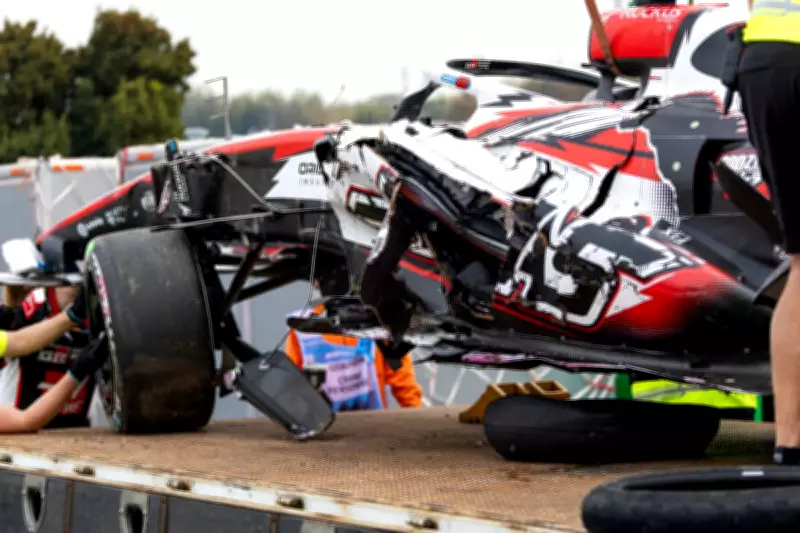
Oliver Bearman's terrifying 190mph crash at the Japanese Grand Prix has sent shockwaves through Formula One, forcing the sport's governing body into emergency discussions about safety and controversial new regulations. The incident occurred when Bearman's car slammed into the much slower vehicle of Franco Colapinto, highlighting dangerous closing speeds that have become a critical concern under F1's evolving rules.
Governing Body Responds to Mounting Pressure
Nikolas Tombazis, the FIA's single-seater director who has been central to developing the 2026 regulations since discussions began in January 2021, acknowledges the seriousness of the situation while cautioning against overreaction. "Every accident at high speed is always a little bit of a shock," Tombazis stated. "To say it was expected would be wrong but the closing speeds had been identified as a risk."
The 57-year-old engineer, who has worked with Ferrari, McLaren, and Benetton during his three-decade F1 career, emphasized that safety remains the absolute priority. However, he warned against hasty changes that could create additional problems. "When we've introduced changes in a much more hurried way, the risk is that we make things worse or we cause all sorts of other issues," Tombazis explained.
Driver Dissatisfaction Reaches Boiling Point
The Bearman crash has intensified existing driver complaints about the 2026 regulations, which feature increased electrical energy usage requiring complex management during races. While drivers from leading teams like George Russell at Mercedes and Lewis Hamilton at Ferrari have shown acceptance, others have been scathing in their criticism.
World champion Max Verstappen has repeatedly expressed such strong dissatisfaction that he's considering leaving the sport entirely, while Lando Norris has dismissed how drivers must manage electrical energy deployment. Tombazis acknowledges this criticism comes with his position. "I don't know if there's ever much of a case when you are the headmaster or the referee when you get a pat on the back all the time," he noted.
Emergency Meetings and Proposed Solutions
The FIA has scheduled a series of crucial meetings throughout April to address these mounting concerns. Preliminary discussions began this week between the governing body, teams, power-unit manufacturers, and commercial rights holder FOM. These will be followed by additional technical meetings and a driver consultation session.
A decisive summit on April 20th will bring together team principals, CEOs, power-unit manufacturers, and F1 CEO Stefano Domenicali to finalize regulatory changes. The goal is to implement adjustments before the Miami Grand Prix on May 3rd, pending approval from the world motorsport council.
Tombazis clarified that proposed changes would focus on energy management rules rather than hardware modifications. "These rules are what we collectively refer to as energy management rules that won't require changes to hardware but may require some settings to change and some software," he explained. "Changes that are fundamentally possible to introduce very soon and go to the core of addressing closing speeds or driver satisfaction."
Balancing Safety with Sporting Integrity
The FIA faces the delicate challenge of improving safety while maintaining competitive racing. Tombazis emphasized that the regulations represent an evolutionary process that requires careful monitoring. "We believe the patient is not in intensive care; the patient needs to just eat a couple of apples per day, not to have an open-heart surgery," he said, using a medical analogy to describe the situation.
Despite the controversy, Tombazis remains optimistic about reaching consensus. "I'm now hoping for broad consensus, that teams will be also supportive and we won't be in a position where we have to argue too much," he stated. However, he acknowledged the passionate nature of F1 stakeholders. "Everyone is extremely passionate about this sport – drivers, fans – and when things are not perfect, they will be quite passionate about it."
As Formula One navigates this critical period, the sport must balance immediate safety concerns with long-term regulatory development, all while managing driver dissatisfaction and maintaining fan engagement. The decisions made in the coming weeks will shape not only the remainder of this season but potentially the future direction of motorsport's premier competition.