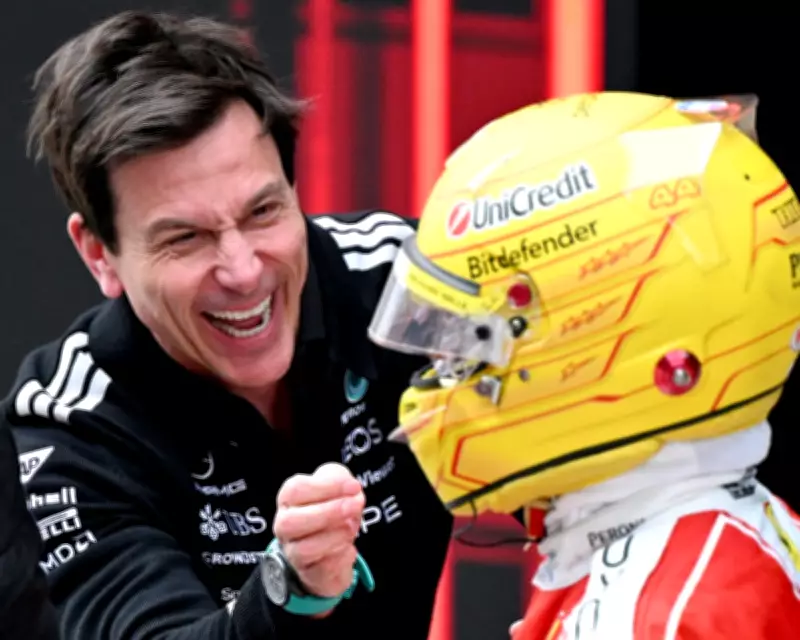
Mercedes team principal Toto Wolff has voiced optimism that Formula One will navigate upcoming regulatory adjustments with precision, advocating for a "scalpel rather than a baseball bat" approach. This comes as F1 leaders convened on Monday to address widespread criticism of new rules implemented this season, which have sparked concerns over racing dynamics and safety.
Constructive Discussions Underway
Wolff, whose Mercedes team currently leads the world championship with the fastest car, highlighted the collaborative nature of recent talks involving drivers, the FIA, Formula 1 management, and teams. "The discussions have been constructive, and we all share the same objectives," he stated. "It's about improving the product, ensuring out-and-out racing, and enhancing safety—but acting with a scalpel, not a baseball bat."
These meetings, which included technical and sporting considerations following the Japanese Grand Prix, aimed to finalize changes expected to be ratified by the world motorsport council in time for the Miami Grand Prix on May 3. Wolff emphasized the importance of evolving the sport thoughtfully, noting, "We are coming to good solutions that we are going to ratify hopefully today, in order to evolve, because it's only three races in."
Safety and Energy Management Concerns
The new regulations have particularly drawn scrutiny for their impact on energy management, which now splits power nearly evenly between combustion engines and electrical energy. This shift has led to drivers like four-time champion Max Verstappen expressing dissatisfaction, with some even contemplating their futures in F1 due to how it affects racing strategies.
Safety has also become a pressing issue, exemplified by Oliver Bearman's accident at Suzuka, attributed to varying closing speeds as cars managed electrical energy in different modes. FIA president Mohammed Ben Sulayem acknowledged the drivers' input, describing the engagement as "constructive and collaborative" and noting their "invaluable input on adjustments" to ensure safe and fair competition.
Wolff's Vision for F1's Future
Wolff remains cautiously optimistic about balancing racing excitement with safety. "I am carefully optimistic that we're going to improve the racing, while keeping it really good," he said. "We need to protect the safety of the drivers as a top priority, but we also love the brilliant racing happening worldwide."
He underscored the collective responsibility of stakeholders, adding, "Will it always be the safest sport? It won't. It's about understanding what those systems do to the car, reducing risks in situations like rain, and reminding ourselves we are guardians of this sport."
As F1 moves forward, the focus remains on refining regulations to foster competitive, thrilling races without compromising on driver well-being, with Wolff's measured approach setting the tone for upcoming decisions.