The Rise of Gusheshe: South Africa's Car Spinning Phenomenon
In post-apartheid Johannesburg, a unique automotive culture has transformed from local pastime into one of South Africa's most distinctive homegrown sports. Car spinning, known locally as gusheshe, represents far more than just vehicular stunts—it embodies community identity, mechanical ingenuity, and cultural resilience.
From Township Roots to National Recognition
The practice originated in the 1980s within Soweto's gangster scene, where stolen vehicles were spun at funerals as acts of tribute. As South Africa approached the brink of racial conflict in the early 1990s, young Sowetans began experimenting with spinning outside criminal circles, focusing particularly on the BMW 325i. This drive for excellence laid the foundation for what has become a nationally recognized cultural phenomenon.
The Wheelz n Smoke Arena: Epicenter of Spinning Culture
At venues like the Wheelz n Smoke arena in southern Johannesburg, drivers perform breathtaking high-rev spins and choreographed stunts. Cars spew clouds of smoke and produce thunderous backfires as participants execute daring maneuvers—riding on doors, climbing onto roofs, and demonstrating remarkable mechanical skill. The intensity of these performances often requires multiple tyre replacements during single events, with shredded tyres becoming a common sight that reflects the sport's physical demands.
The BMW 325i: Cultural Icon and Technical Marvel
The BMW 325i, central to spinning culture since the 1990s, has achieved iconic status. Prized for its rear-wheel drive and balanced handling, these vehicles are extensively modified to withstand complex routines where losing tyres or bumpers has become part of the spectacle. The car represents both identity and aspiration within spinning communities.
Community and Cross-Generational Transmission
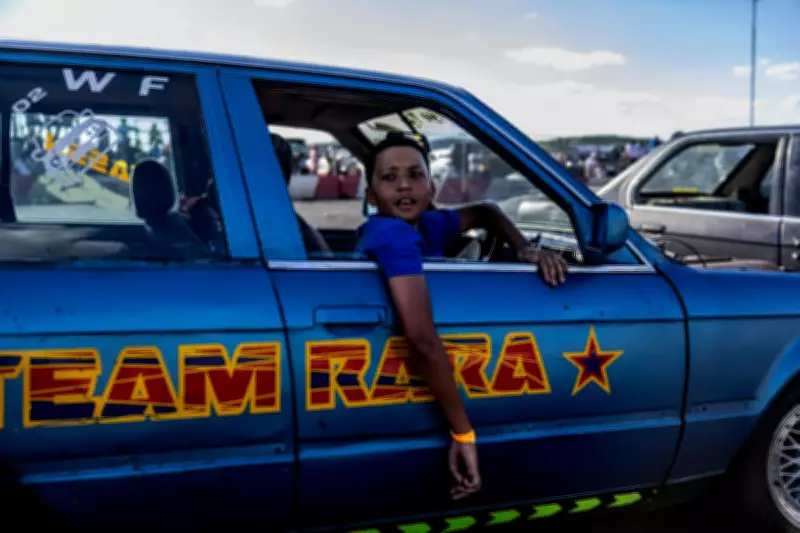
Gusheshe functions as a powerful form of community expression. From informal township beginnings to its current status as structured motorsport, it reflects discipline, creativity, and collective pride. The presence of younger participants like 12-year-old Tye Tye from Team Rara demonstrates how skills and cultural knowledge are transmitted across generations.
Notable Figures and Expanding Diversity
Themba Mashiniki, known as Sgora, represents the sport's entrepreneurial spirit, operating a mechanical shop in Lenasia while participating in spinning for over a decade. Nalo Jivhuho, also called Dankie Darlie, stands out as one of South Africa's most prominent female spinning drivers, showcasing the sport's expanding diversity. Teams like Havokk and KwaMagesh further illustrate the organized, competitive nature that gusheshe has developed.
Urban Transformation and Cultural Significance
What began as township entertainment has transformed Johannesburg's urban landscape into a dynamic stage for performance and pride. Spectators illuminate smoky arenas with phone lights, creating atmospheric scenes that highlight the sport's theatrical quality. Gusheshe represents more than motorsport—it's a testament to resilience, innovation, and community spirit that continues to evolve while maintaining its distinctive South African character.