The British government has revealed that the economic fallout from the war in Iran could drive up prices for more than eight months after the conflict ends. Cabinet minister Darren Jones stated that consumers should brace for sustained 'price pressures' across multiple sectors, including food, fuel, and travel.
Government Warning on Price Hikes
Speaking to the BBC's Laura Kuenssberg, Jones emphasized that the government is actively working to mitigate the impacts of the conflict. The closure of the Strait of Hormuz has severely disrupted global natural gas supplies, contributing to the anticipated price increases. Jones attributed the situation to actions taken by former US President Donald Trump in the Middle East.
Prime Minister Sir Keir Starmer is scheduled to chair a cabinet committee meeting on Tuesday to discuss the war's effects and potential disruptions to supply chains. Earlier this month, government officials prepared contingency plans for a 'worst-case scenario,' including possible food shortages by summer.
Duration and Scope of Economic Impact
When pressed on how long the disruption might last, Jones indicated that it depends on whether a deal can be reached between Washington and Tehran. However, he added: 'I think our best guess is eight plus months from the point of resolution that you'll see economic impacts coming through the system.'
Jones warned that Britons will experience higher energy prices, food costs, and flight ticket prices as a consequence of the conflict. Key resources such as carbon dioxide (CO2), essential for the slaughtering industry and food preservation, may also come under strain.
Government Measures to Buffer Shock
To mitigate potential shocks, the government has funded the reactivation of the Ensus bioethanol plant in Teesside, which produces CO2 as a by-product. The facility has assured the BBC that it expects to generate enough gas to maintain Britain's supply without disruption. CO2 is also critical for keeping beer taps flowing during this summer's World Cup, and Jones confirmed that the government is 'doing everything' to ensure pubs are stocked for the tournament.
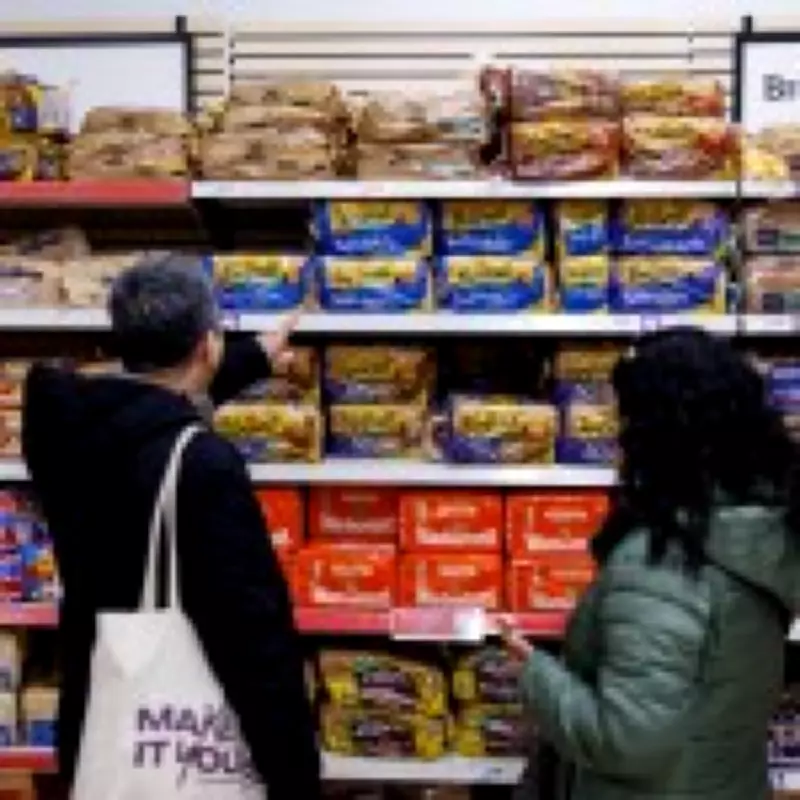
In the food sector, consumers may first notice price increases on tomatoes and cucumbers, as these crops rely on greenhouse production in the UK, according to Tom Bradshaw, president of the National Farmers' Union (NFU). He warned that price hikes for milk and meat would follow within 'three to six months.'
The government continues to analyze the potential economic impacts in detail, including effects on jet fuel, diesel, and CO2 prices. Jones concluded: 'There is no denying there is going to be an economic impact as a result of what's happening in the Middle East.'