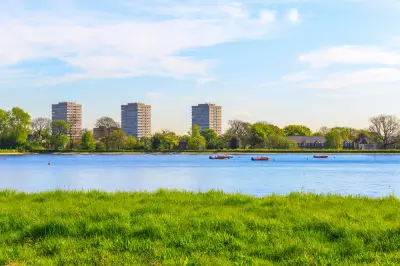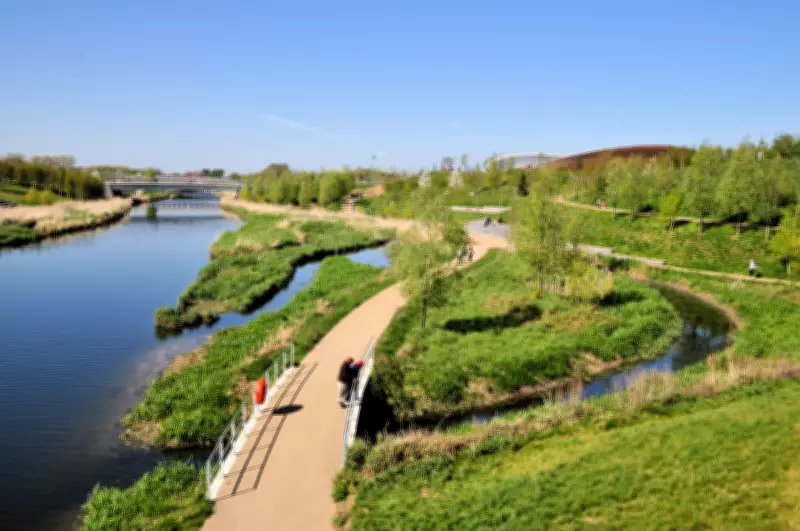
A groundbreaking 14-mile 'nature corridor' is set to revolutionize four east London boroughs, bringing significant environmental and health benefits to the area. The project, led by conservation charity Wild Cities, will stretch between the Lee Valley Regional Park and the River Thames, passing through Tower Hamlets, Hackney, Haringey, and Newham.
Cooling the Urban Heat Island
Research has shown that urban areas can be significantly cooler when green infrastructure is added. According to the IPBES Assessment on Pollinators, Pollination and Food Production, green corridors can reduce neighborhood temperatures by up to 7°C. This initiative aims to combat the urban heat island effect, which makes cities warmer than surrounding rural areas.
Connecting Wildlife and Communities
The corridor will link isolated pockets of wildlife, including community gardens, rooftops, canals, parks, and even football grounds. By creating pathways for pollinators, the project will help ecosystems recover and thrive. Wild Cities explains: 'Every flower planted becomes a stepping stone. Multiplied across thousands of people and places, these small acts reshape the urban landscape, cool neighbourhoods, and bring communities closer to nature and to each other.'

Supporting London's Nature Recovery Strategy
This initiative aligns with London's Local Nature Recovery Strategy (LNRS), which identifies areas needing urgent ecological attention and outlines actions to help nature flourish. Online reactions have been overwhelmingly positive, with people calling the corridor 'important', 'epic', 'excellent', and a 'great initiative'.
Health and Wellbeing Benefits
Christabel Reed, co-founder of Wild Cities, emphasized the importance of urban nature: 'Urban nature is in crisis, not only for the pollinators, but we also have huge inequality when it comes to access to nature, even though we know that proximity and access to nature are foundational for mental health and our physical health as well.' She added that pollinators are crucial for ecosystem health, which in turn supports clean air, water, and food production.
Get Involved
Wild Cities is seeking involvement from people who live, work, study, or garden along the 14-mile route. Interested individuals can contact the charity to participate in this transformative project.