Tehran's Ancient Jewish Community Maintains Traditions Amid Conflict
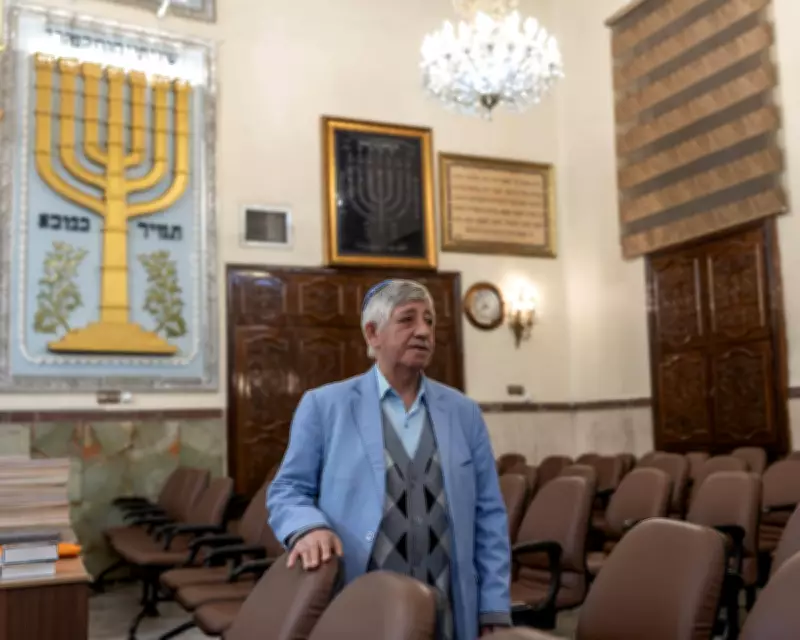
On April 6th, as tensions escalated between Israel and Iran, members of Tehran's Jewish community demonstrated remarkable resilience. Asef, a 65-year-old community member, joined others at the Rafi' Nia synagogue for Passover services despite ongoing airstrikes. The gathering proceeded in a dimly lit hall adorned with Persian carpets and mint green curtains, where traditional Torah verses were recited and prayers murmured quietly.
Synagogue Destroyed Hours After Passover Celebration
The atmosphere during the service was reverent though subdued, with men and women seated separately according to custom. "We didn't let the conflict stop us from celebrating," Asef explained, emphasizing the community's determination to maintain their Passover traditions despite wartime difficulties. After returning home through unusually quiet streets that evening, he awoke the next morning to devastating news: an Israeli airstrike had completely destroyed the synagogue he had just left.
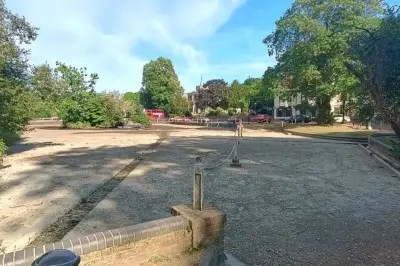
The Israeli military described the destruction as "collateral damage" from a strike targeting a commander, but this explanation offered little comfort to community members. Remarkably, no one was injured in the attack, though a staff member had been present in the synagogue's office at the time. The morning after the bombing, members sifted through rubble and debris, recovering what religious materials they could salvage.
Historical Community Faces Complex Identity Challenges
Homayoun Sameh, a member of parliament and head of the Jewish Association of Iran, visited the destruction site and expressed outrage. "We condemn this attack. It disrespects our faith," he stated, adding that "Iran's Jewish community doesn't have good relations with the Zionist Israeli government." This sentiment highlights the complex position of Iran's Jewish population, which represents the largest and oldest Jewish community in the Middle East outside Israel, with roots dating back approximately 2,500 years.
The community's history reflects shifting political landscapes. Before Iran's 1979 Islamic Revolution, the country maintained close ties with Israel under Shah Mohammad Reza Pahlavi's pro-western monarchy. After the revolution, Ayatollah Ruhollah Khomeini severed diplomatic relations, initiating decades of confrontation between the two nations. This political shift prompted significant emigration, reducing Iran's Jewish population from about 100,000 to between 10,000 and 15,000 people concentrated primarily in Tehran, Isfahan, and Shiraz.
Community Infrastructure and Contemporary Challenges
Despite these challenges, Tehran's Jewish community maintains approximately thirty synagogues along with schools, kosher restaurants, and supermarkets. Judaism receives constitutional recognition and protection in Iran, though Jews face restrictions on certain high government and military positions. The community defies simple categorization, with members holding diverse perspectives on Israeli policies and regional politics.
Independent journalist Antony Loewenstein, author of "The Palestine Laboratory," observed that "many in the Jewish community are understandably cautious of outsiders, self-censorship is common, some are what I'd call quiet Zionists while others are fiercely critical of Israeli crimes against Palestinians and opposed to Zionism." He noted that the synagogue destruction "confirmed the fears of many Iranian Jews that Israel and Netanyahu don't really care about their fate."
Community Members Express Pride and Resilience
At the Sukkat Shalom synagogue before Shabbat recently, community members expressed pride in their dual identity. Setareh, a 60-year-old woman who identifies as a "proud Iranian," noted that synagogues in Tehran remain open throughout the day without guards, even during conflict. "Muslim and Jewish communities live here together, we're not separated," said Ayman, a 35-year-old community member. "We all live together in peace. We are all Iranians and this is our home."
This sentiment echoes the community's response to past Israeli efforts to encourage emigration through cash incentives, which the Society of Iranian Jews dismissed as "immature political enticements," asserting that their national identity was not for sale. Today, Tehran's Jewish community continues to navigate complex political realities while maintaining centuries-old traditions, demonstrating resilience in the face of conflict that has made their places of worship collateral damage in regional hostilities.