
World Cup 2026 Host Cities Grapple with Funding Crisis and ICE Security Threats
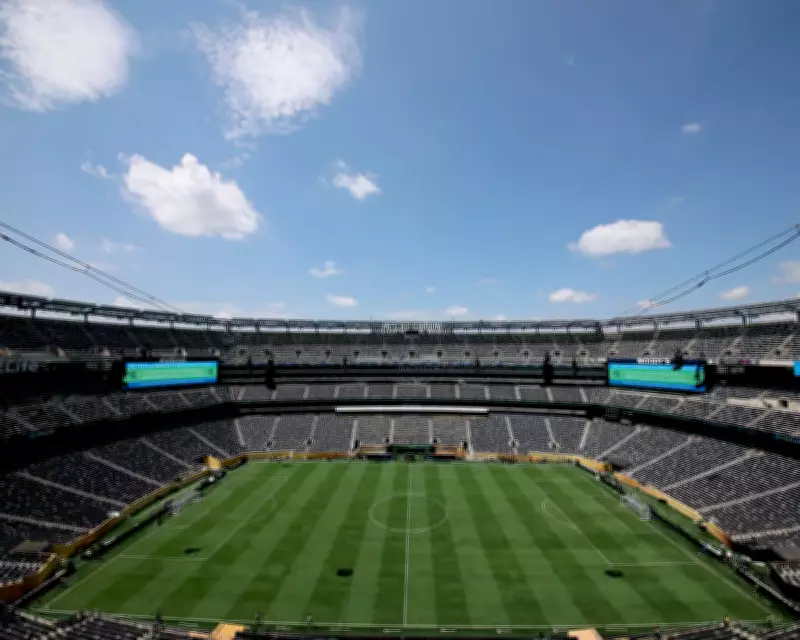
As the 2026 FIFA World Cup approaches, with the final match set for July 19 in East Rutherford, New Jersey, American host cities are confronting dual crises that threaten to undermine this global event. With fewer than 100 days remaining, communities poised to become international centers face severe financial shortfalls and widespread fears over immigration enforcement, risking a generational opportunity.
Financial Delays Jeopardize Logistical Preparedness
Congress allocated $625 million to assist the 11 U.S. cities hosting World Cup matches, each event comparable to a logistical Super Bowl. However, not a single city has received any of this funding, creating urgent challenges for security and infrastructure. At a recent congressional hearing, Miami officials warned that their Fan Fest, expected to attract hundreds of thousands, could be canceled within 30 days without the money.
In Kansas City, which anticipates 650,000 visitors for six matches, delayed funds are hindering critical security planning. Similarly, Foxborough, Massachusetts, has threatened to withhold the license FIFA needs for games at Gillette Stadium due to an unpaid $7.8 million promise, representing half of the town's annual public safety budget for its 18,600 residents.
These delays are not abstract; they directly impact years of planning. The Department of Homeland Security, administering grants through FEMA, must release funds immediately to address the complex logistical demands.
ICE Enforcement Raises Safety and Attendance Concerns
A second major threat stems from U.S. Immigration and Customs Enforcement (ICE). At a hearing, ICE Director Todd Lyons refused to rule out enforcement activity at or around World Cup venues, describing ICE's presence as a "key part" of security. This has sparked alarm, especially given ICE's use of tactical teams in past incidents, such as in Minneapolis where federal agents shot and killed two American citizens.
While ICE has a legitimate role in large-event security, the uncertainty is causing widespread fear. Over 90 civil society organizations have written to FIFA expressing concerns about the chilling effect on fan attendance, and dozens of countries have issued travel advisories about U.S. conditions. In communities like Paterson, New Jersey, immigrants and their families fear being swept up by ICE, even if legally present, with some opting to avoid World Cup events altogether.
Economic and Diplomatic Implications
The New York-New Jersey region alone projects $3.3 billion in economic activity from the World Cup, but fan absences could erase significant revenue. The administration's refusal to offer assurances to visitors exacerbates these risks, turning a non-partisan security issue into a potential international embarrassment.
Solutions are within reach: DHS must release the stalled funding, Congress should hold emergency hearings on ICE, and the administration can provide clear guarantees that legally present visitors will not be targeted at games or fan events. As the taskforce overseeing security continues to push for action, the focus remains on ensuring a safe and welcoming environment for all fans.
Representing New Jersey's ninth district, Congresswoman Nellie Pou emphasizes that this is a chance to showcase the best of America. With eight matches and the final in her district, the vision of a diverse, celebratory stadium is at stake, underscoring the urgent need for resolution.