Petrol prices in the UK have surged to their highest level since the start of the Iran War under Donald Trump. According to the RAC, the average cost of a litre of unleaded petrol now stands at 159.43p, representing a hike of 26.6p since hostilities commenced on 28 February. The motoring organisation cautioned that prices are 'likely to rise' even further, adding to the financial burden on motorists already feeling the pinch.
US Strikes Threaten Fragile Ceasefire
The price increase comes amid fears that US airstrikes could shatter the delicate truce between America, Israel, and Iran. The United States launched what it termed 'defensive strikes' on Iran overnight, targeting missile launch sites and mine-laying boats in the Strait of Hormuz. Iran condemned the action as a 'gross violation' of the ceasefire agreed upon in April.
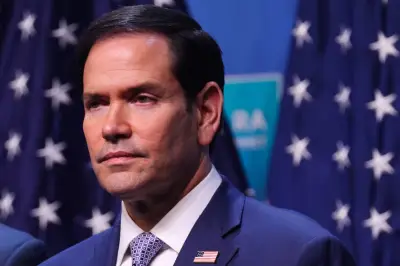
Despite the escalating tensions, US Secretary of State Marco Rubio stated that a framework for a peace deal could be finalised 'within a few days'. However, markets remained sceptical, with the price of Brent crude oil rising 2.4% to £73.16 ($98.50) per barrel following the news. Although this is significantly lower than the peak of £89.14 ($120) reached in mid-April, any increase in wholesale prices is likely to be passed on to consumers if the conflict reignites and the Strait of Hormuz remains partially closed.

Impact on Global Markets
The Strait of Hormuz, a vital shipping lane through which approximately one-fifth of the world's oil and liquefied natural gas (LNG) passes, has been largely impassable since the conflict began. Peter Schaffrik, global macro strategist at RBC Capital Markets, commented on the uncertainty: 'It went from agreement is near to everyone needs to sign the Abraham Accords to bombing, so it's not entirely clear what's going on there.' The fluctuating situation between open conflict and claims of an imminent peace deal continues to unsettle world markets.
Diesel Prices Show Slight Relief
On a more positive note, diesel prices have seen a modest decline. The average cost of a litre of diesel is now 184.96p, down 6.58p from its mid-April peak of 191.54p. This marks the first time since 1 April that diesel has fallen below 185p per litre, according to the RAC.
Nevertheless, the overall impact of the conflict on fuel costs remains stark. The RAC reports that filling a 55-litre tank of petrol for a typical family car now costs £87.69, which is £14.63 more than on 28 February. The diesel equivalent has risen to £101.73, an increase of £23.42 over the same period.
Outlook Remains Uncertain
Before the latest strikes, there were signs of improvement as the wholesale price of crude oil had been falling. Just yesterday, Rubio indicated that negotiators had a 'pretty solid thing on the table' and that an agreement could be reached that day. Trump also claimed negotiations were 'proceeding nicely', while Iran acknowledged progress but stated a deal was 'not imminent'. Brent crude had fallen 5.5% to £72.73 ($97.90) per barrel before rebounding on the strike news.
With leaders on all sides pursuing their own agendas, the path to peace remains unclear, and motorists may face further price increases in the near future.